Water Pooling Near the Foundation
Water that repeatedly collects beside the building may indicate that the underground drainage system is not moving water away as expected.
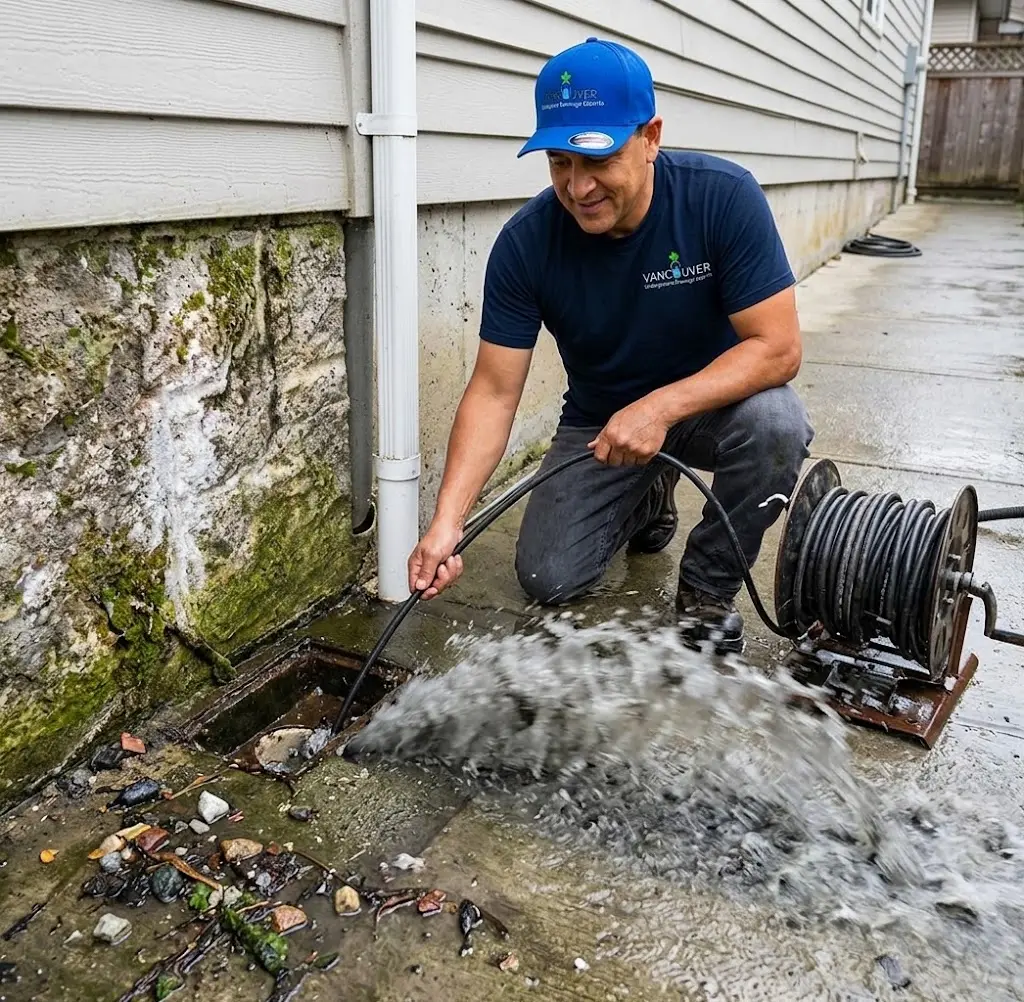
Underground foundation drainage can collect sediment, mud, mineral buildup and debris, restricting water flow around your property.
Vancouver Underground Drainage Experts provides perimeter drain and drain tile cleaning throughout Greater Vancouver using professional hydro flushing or hydro jetting when appropriate.
These systems may also be called weeping tile, foundation drains, footing drains, clay drain tile or French drains. We identify the drainage system and its condition before choosing the appropriate cleaning method.

Perimeter drains and drain tile are buried underground, so buildup inside the system is not always obvious. Problems often appear as water collecting around the foundation, slow drainage or recurring moisture during Vancouver's wetter months.
Water that repeatedly collects beside the building may indicate that the underground drainage system is not moving water away as expected.
Recurring moisture along below-grade walls can be a sign that water around the foundation is not draining efficiently.
Fine soil, sediment and mineral buildup can accumulate inside older drain tile and gradually reduce the amount of water that can move through the line.
Accessible drainage that moves water slowly may have sediment, debris, roots or another obstruction restricting the line.
Tree roots can enter older clay drain tile and other drainage lines through joints, cracks and openings. Significant root intrusion may require root cutting rather than ordinary cleaning.
If a drainage problem keeps returning, the issue may be more than ordinary buildup. Camera inspection can help determine whether the line needs cleaning, root removal or repair.
Hydro flushing can remove sediment and buildup from suitable drainage lines, but it cannot repair a collapsed, cracked or separated pipe. When appropriate, a drain camera inspection can help identify what is happening underground.
These are real videos from underground drainage cleaning projects completed by our team in Greater Vancouver. Press play to see sediment, mud and buildup inside drainage lines and examples of hydro flushing suitable perimeter drains and drain tile.
Real Project
A look inside an underground drainage line where buildup is restricting normal flow.
Hydro Flushing
Water pressure helps loosen and move accumulated material through suitable drainage pipe.
Drain Tile
Real footage from underground drainage cleaning work completed in Greater Vancouver.
Perimeter Drainage
Underground drainage can collect sediment and other material that restricts the movement of water.
Inside the Line
Real video footage shows the condition of underground drainage rather than relying only on what can be seen at the surface.
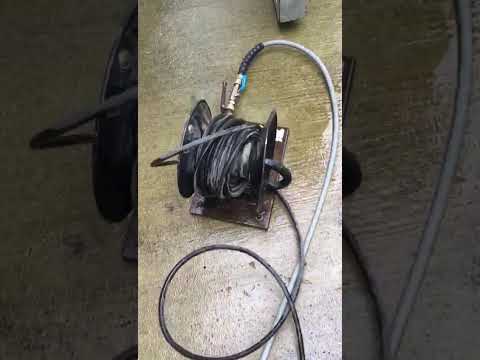
Real Project
Hydro flushing can help restore flow where buildup restricts an otherwise serviceable drainage line.
Swipe to see more drainage projects →
Different underground drainage systems require different cleaning methods. Select a service below to see what we clean, how the service works and when inspection, root removal or repair may be needed.
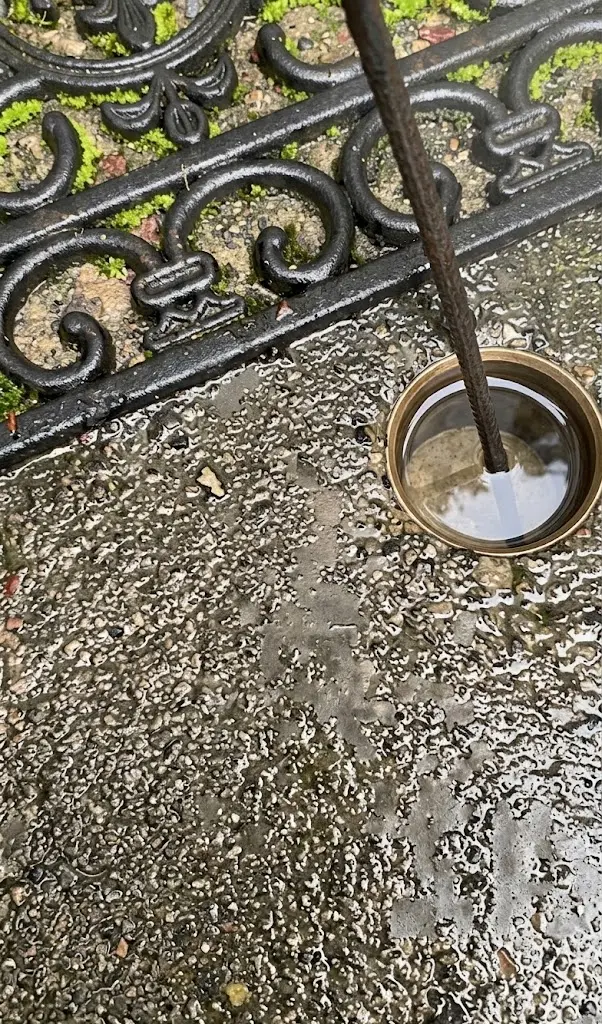
Perimeter drains run around the foundation and help collect and redirect groundwater. Over time, these underground lines can accumulate sediment, fine soil, mud and other debris that restricts drainage.
When the existing pipe is still in suitable condition, cleaning and hydro flushing can help loosen accumulated material and move it through the drainage system.
Cleaning cannot repair cracked, separated or collapsed drainage. If the pipe itself has failed, the affected section may need repair or replacement.
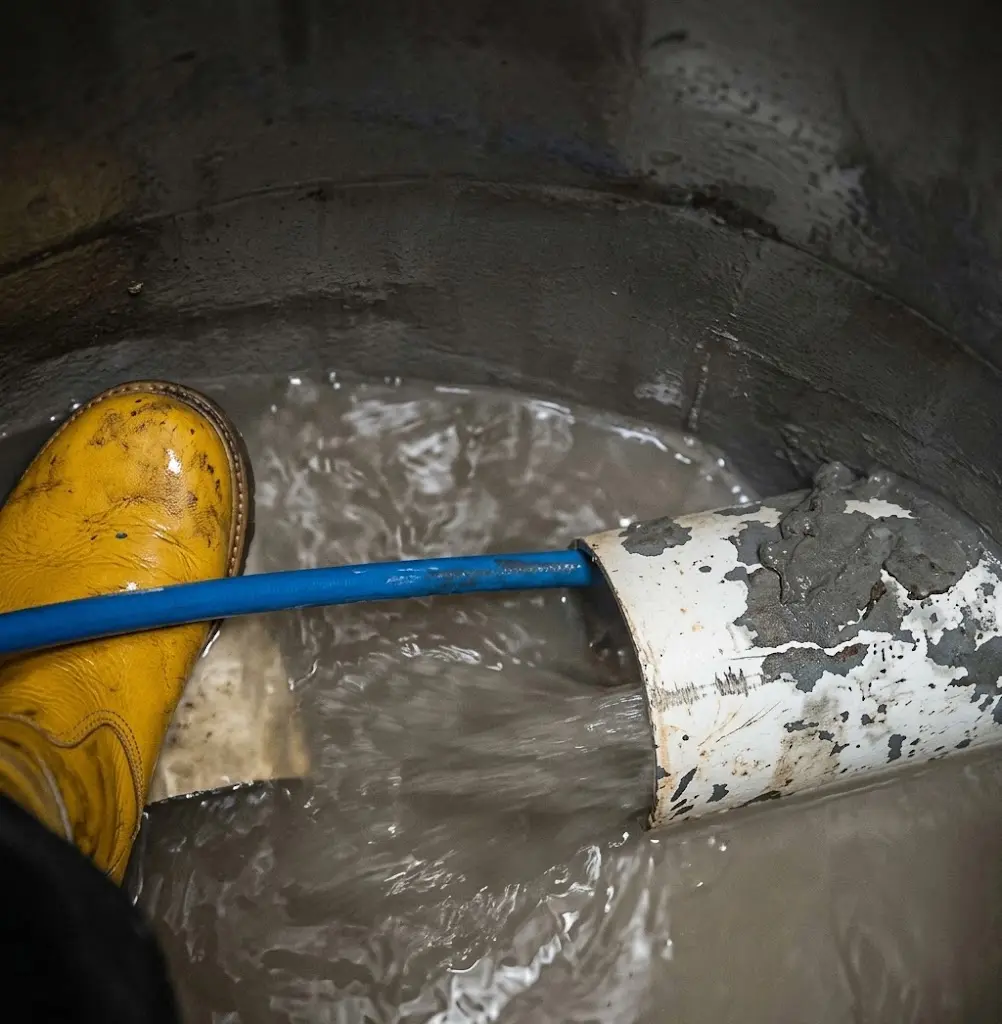
Underground foundation drainage may be called drain tile, weeping tile, perimeter drain, foundation drain or footing drain. The terminology often depends on the age and construction of the property.
Where the drainage is still structurally serviceable, cleaning can remove sediment and buildup that is restricting water movement through the system.
Older drainage can have separated joints, deteriorated sections or other physical problems. Cleaning should be matched to the actual condition of the system.
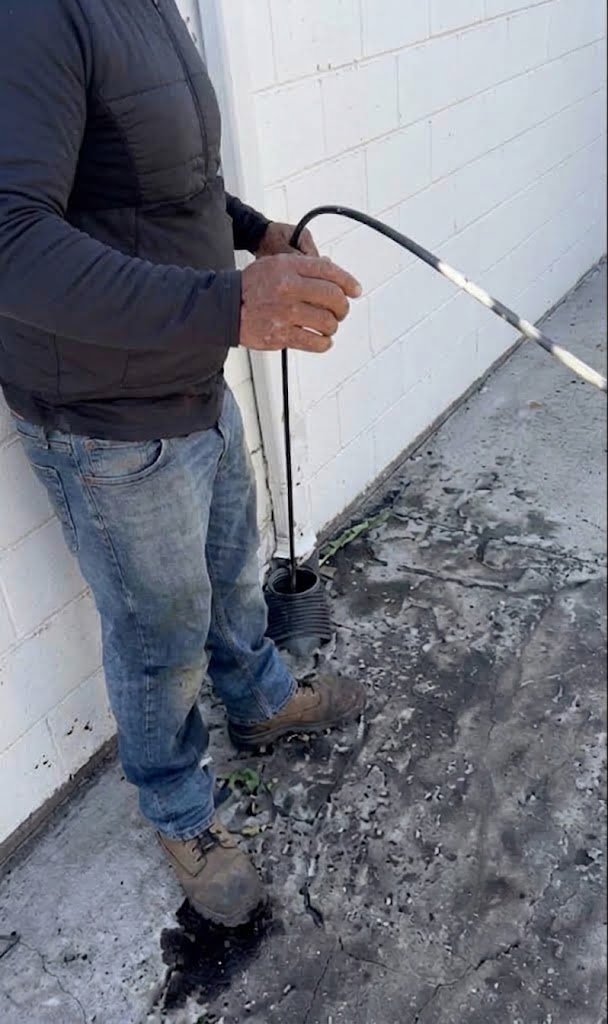
A French drain typically uses perforated drainage pipe surrounded by gravel to collect and redirect water from wet areas of a property.
Accessible French drain lines can become affected by fine soil, sediment, organic material and other buildup. Where the pipe and access allow it, cleaning may help restore flow through the drainage line.
If soil has heavily contaminated the surrounding gravel or filter material, cleaning the pipe alone may not restore the entire drainage system.
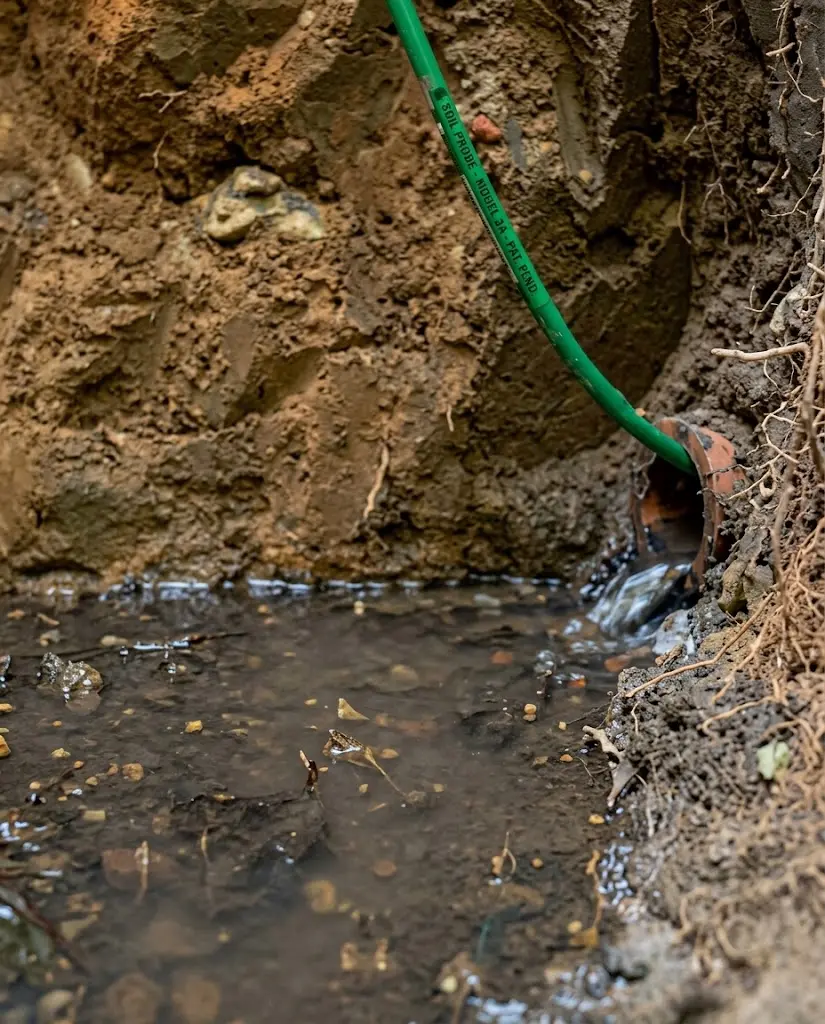
Older Greater Vancouver properties may have clay drain tile made from individual sections installed around the foundation rather than modern continuous drainage pipe.
Sediment can collect inside these lines, while joints between the clay sections can allow soil or roots into the drainage system. Cleaning needs to take the condition of the clay tile into account.
Significant root intrusion may require mechanical root cutting. Cracked, shifted or collapsed clay tile may need excavation and replacement rather than additional flushing.
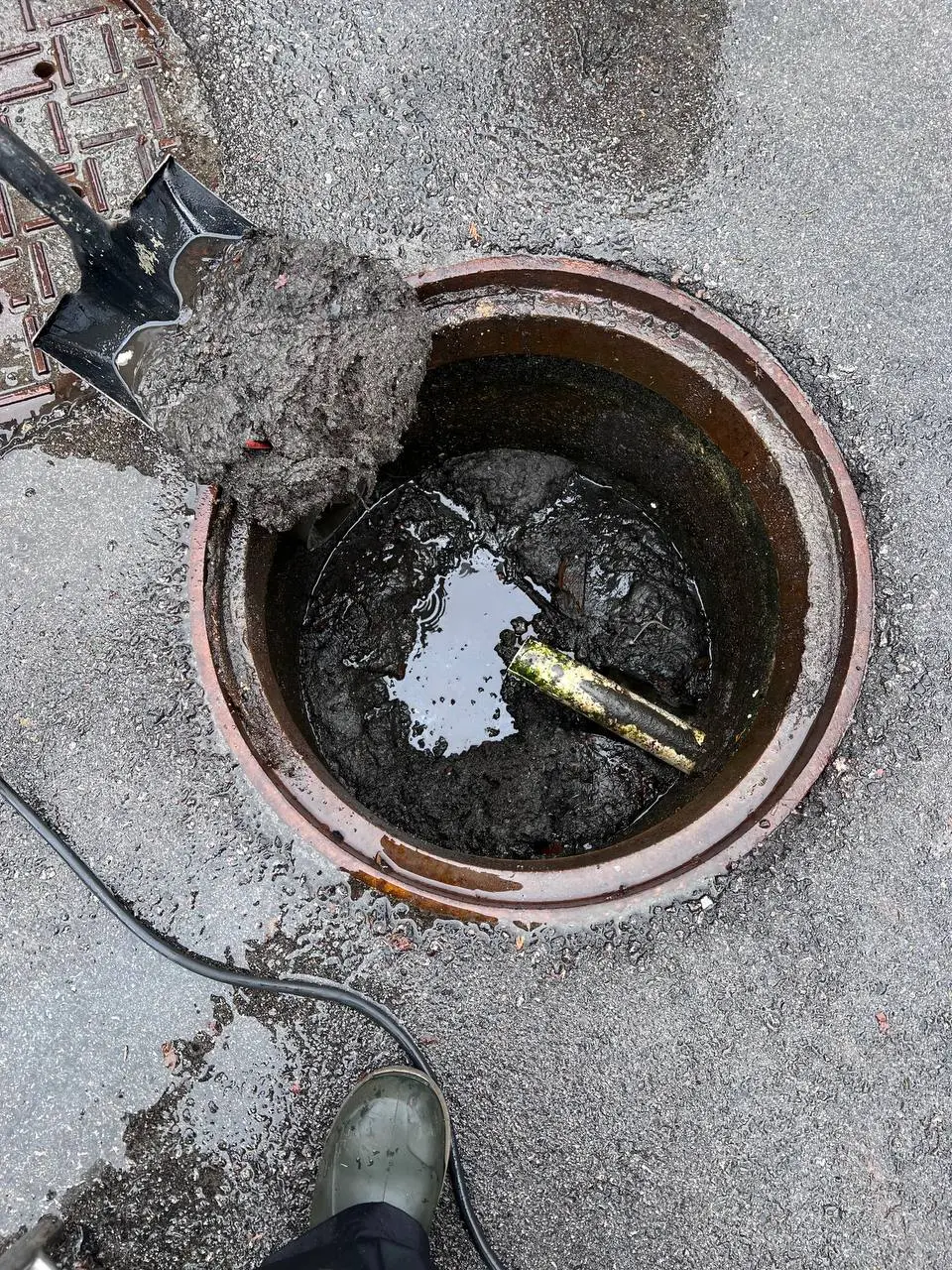
Catch basins and outdoor sump pits collect water before it enters or leaves connected drainage lines. They can also collect mud, sediment, leaves and other debris over time.
Removing accumulated material helps maintain available capacity and reduces the amount of debris that can move into connected underground drainage.
If water is not leaving the basin or pit properly, the restriction may be in an inlet, outlet or connected underground drainage line.
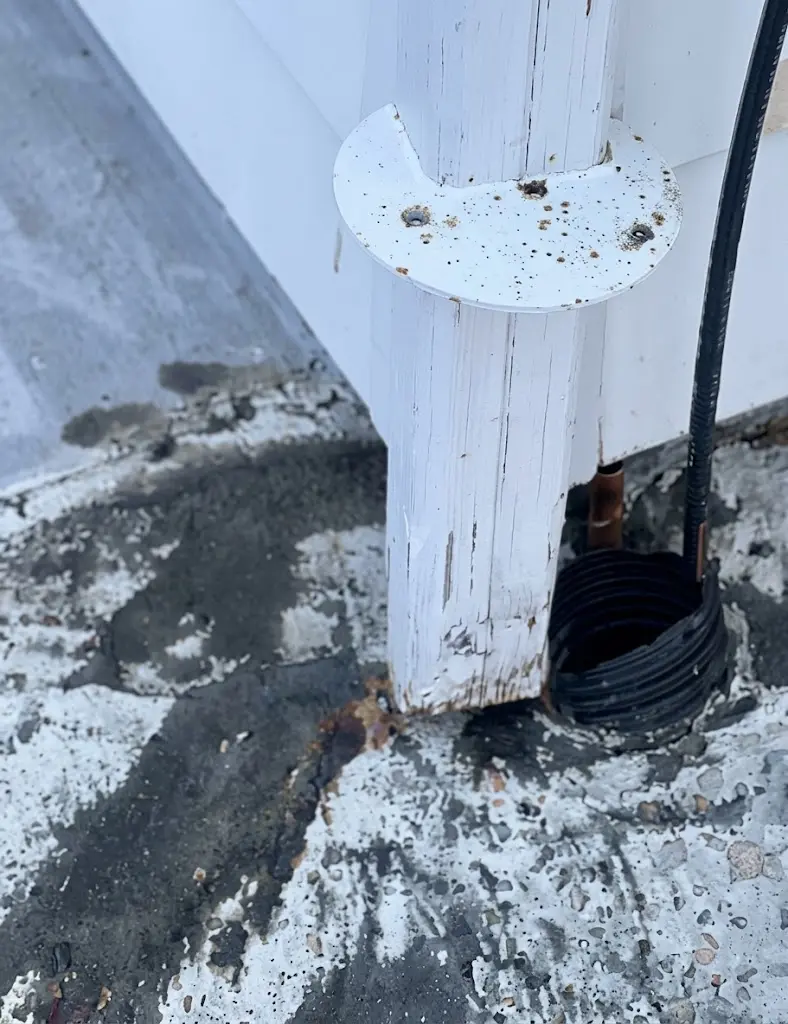
Hydro flushing uses pressurized water to loosen and move mud, sediment and other buildup through suitable underground drainage lines.
The pressure and cleaning approach should be matched to the type, age and condition of the drainage rather than treating every underground pipe the same way.
Broken, separated or collapsed drainage requires a different solution. Additional flushing will not correct physical pipe failure.
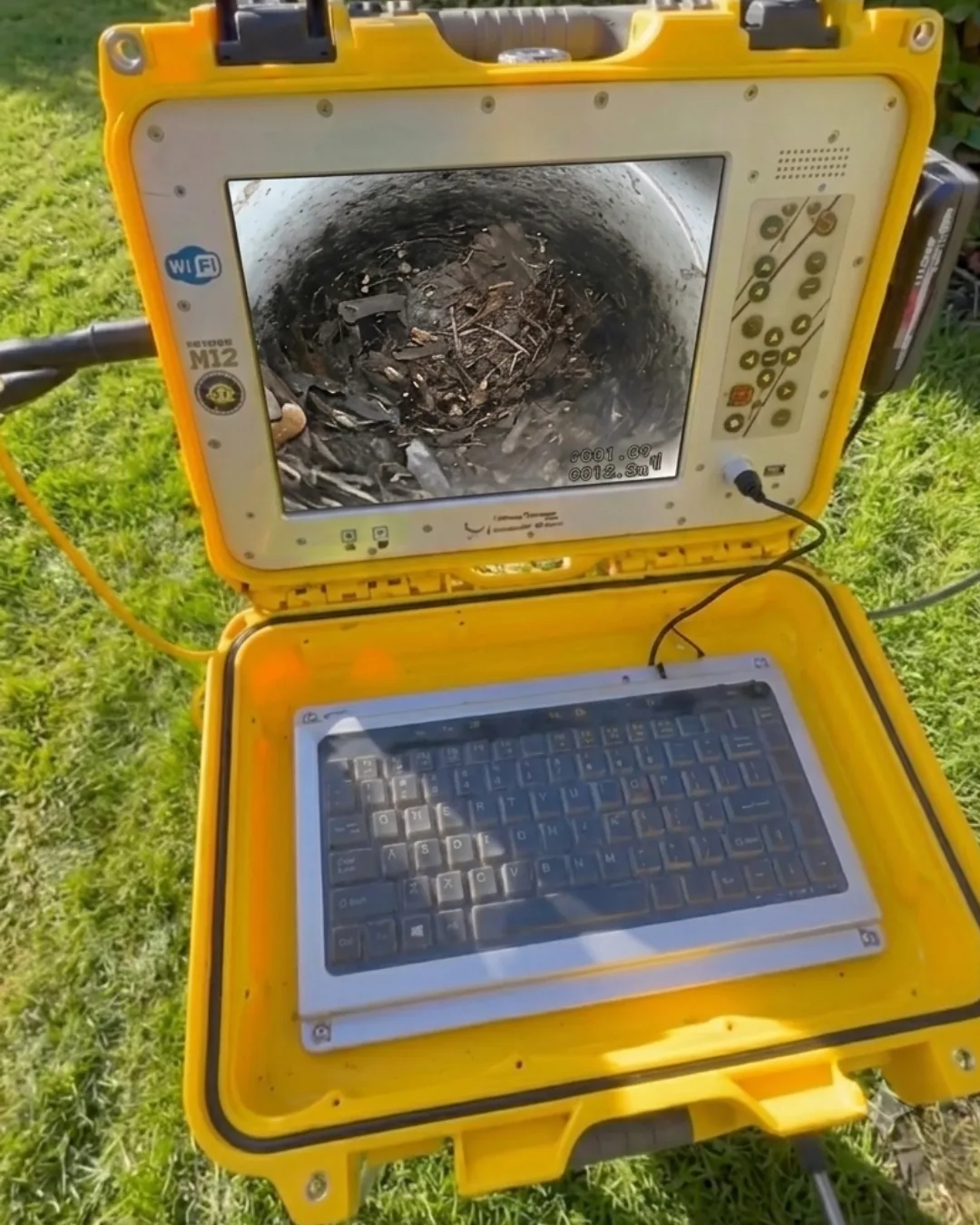
When an underground drainage line is accessible, a camera inspection provides a view inside the pipe before or after cleaning.
Camera footage can help identify sediment, roots, separated joints, damaged pipe and obstructions and help determine whether cleaning, root removal or repair is the appropriate next step.
Heavy obstructions, collapsed pipe or inaccessible drainage can prevent the camera from travelling through the entire system.
Significant roots may need mechanical root cutting or augering. Cracked, separated or collapsed drainage may require excavation, repair or replacement instead of continued cleaning.
Drain cleaning cost depends on the type of drainage, the number of lines, access to the system and what is restricting the pipe. These starting prices provide a general idea of what different underground drainage cleaning projects may cost.
For standard accessible residential underground drainage lines within our regular Greater Vancouver service area.
For properties outside our normal service area where additional travel and service time are required.
Commercial and larger-property drainage cleaning varies by line size, access and the number of drainage lines being serviced.
When a buried drain tile or cleanout must be exposed before cleaning equipment can access the drainage system.
Larger or more complicated underground drainage projects are quoted after the system and required scope have been reviewed.
A single accessible residential line may be relatively straightforward. A property with several perimeter drain lines, older clay tile, difficult access, deep cleanouts or substantial sediment can require considerably more equipment and labour.
Professional hydro flushing or hydro jetting where appropriate
Removal of accessible mud, sediment and debris buildup
Flushing suitable perimeter drains, drain tile or underground drainage
Review of drainage flow during the cleaning process
Recommendations if roots, damaged pipe or additional work are discovered
Number of drainage lines being cleaned
Length and diameter of the drainage
Amount of sediment, mud or buildup
Accessibility of cleanouts or drainage connections
Whether excavation is required to create access
Age and condition of the existing drain tile
Drain camera inspection is quoted separately when required. A camera can help determine whether a line is dealing with ordinary buildup, root intrusion or a physical pipe failure before additional cleaning is recommended.
Learn About Camera Inspection →Underground drainage is not always a matter of simply pushing water through a pipe. We look at the type of drainage, what is restricting it and the condition of the existing system before recommending the next step.
Our team works with homeowners, strata properties and commercial buildings throughout Greater Vancouver on underground drainage, foundation and waterproofing projects.
We use professional hydro flushing and hydro jetting equipment where appropriate for the drainage material, access and condition of the existing pipe.
Accessible drainage can be inspected with a camera to help identify sediment, roots, damaged sections or other conditions affecting the underground line.
Our company is WorkSafeBC covered and carries $2 million in liability insurance for added protection while drainage work is being completed on your property.
We do not treat every drainage problem as a cleaning job. Sediment may be flushed, roots may require cutting, and physically damaged pipe may require repair or replacement.
We clean and inspect underground drainage for houses, townhouses, strata complexes, apartment buildings and commercial properties throughout Greater Vancouver.
If we find roots, damaged drain tile, poor access or another issue during the work, we explain what we found and what the practical options are before additional work is recommended.
Perimeter drains, weeping tile, French drains, older clay tile and sump systems are not identical. The cleaning approach should reflect the drainage system that is actually underground.
If cleaning is appropriate, we can explain the cleaning approach. If roots or damaged drainage are the actual problem, we can explain those options instead.
Not every drainage problem is the same. The right solution depends on what is inside the pipe and the condition of the existing drain tile.
Silt, mud and debris can build up inside perimeter drains and weeping tile. Hydro flushing can often clear this material when the pipe itself remains serviceable.
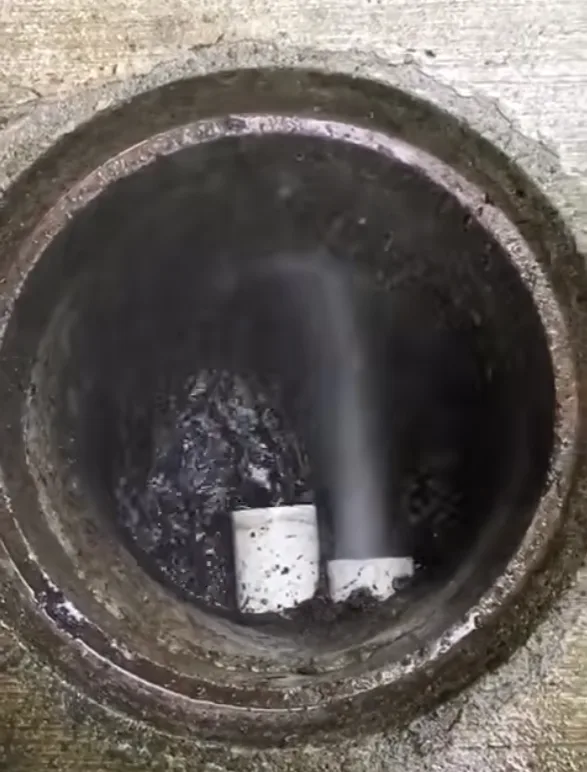
Roots can enter through joints, cracks or openings. Significant intrusion generally needs mechanical root cutting rather than ordinary flushing.
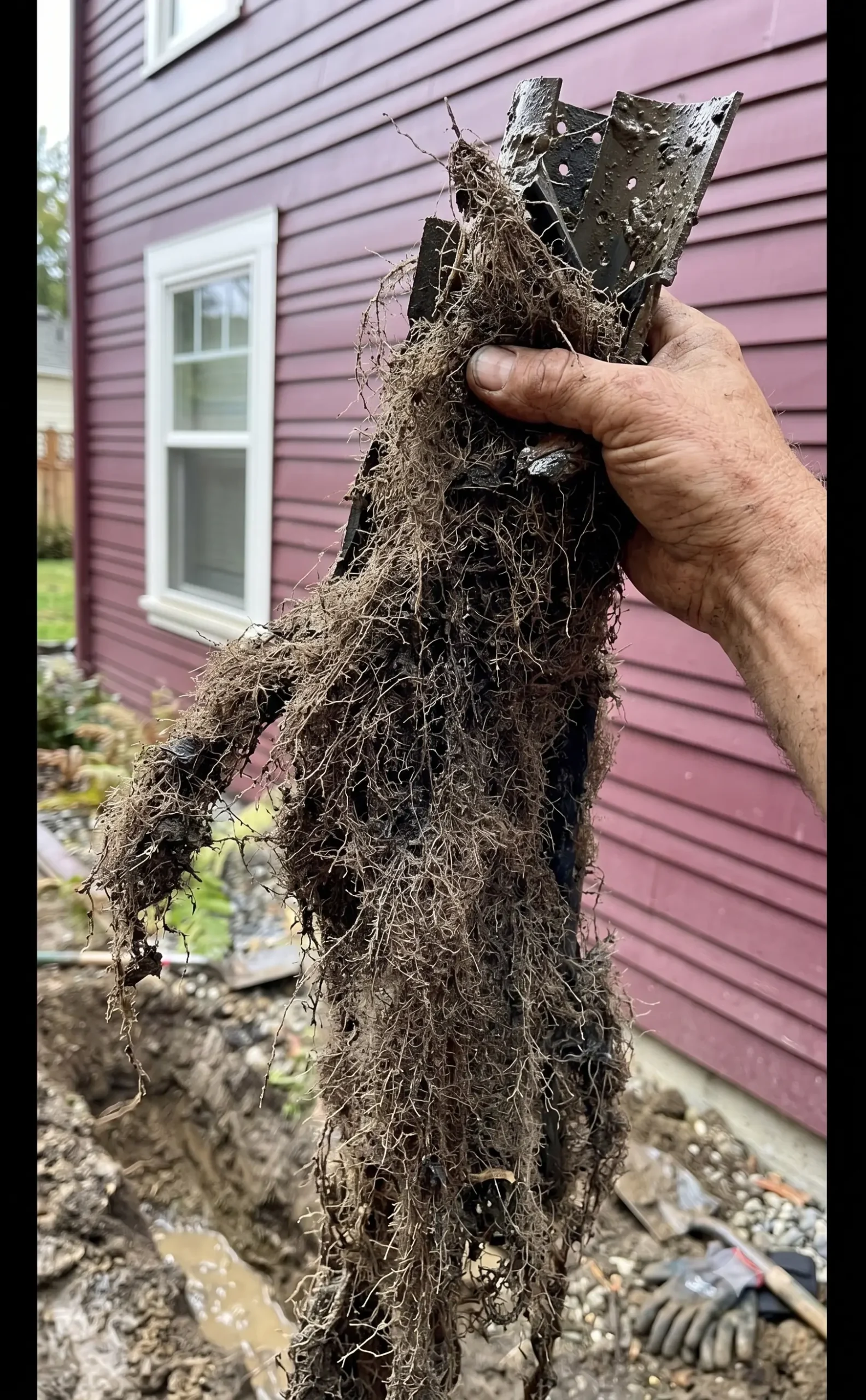
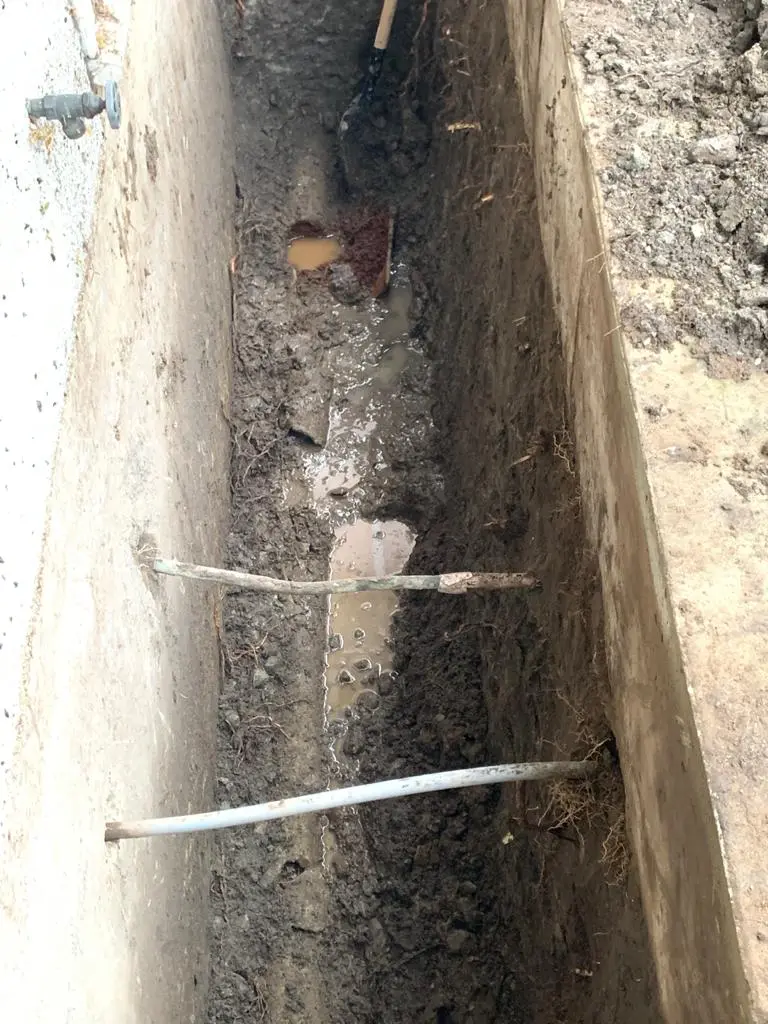
Cleaning cannot correct broken or collapsed drain tile. The damaged section may need excavation, repair or replacement.
A drain camera inspection allows us to see inside accessible underground drainage and identify what may be causing the problem. The footage can show mud and sediment, root intrusion, damaged pipe, separated joints or other restrictions.
In some situations, a camera inspection is recommended before cleaning when the cause of the drainage problem is not clear. It may also be used after cleaning when appropriate to help review the condition of the line.
Learn About Drain Camera Inspection →
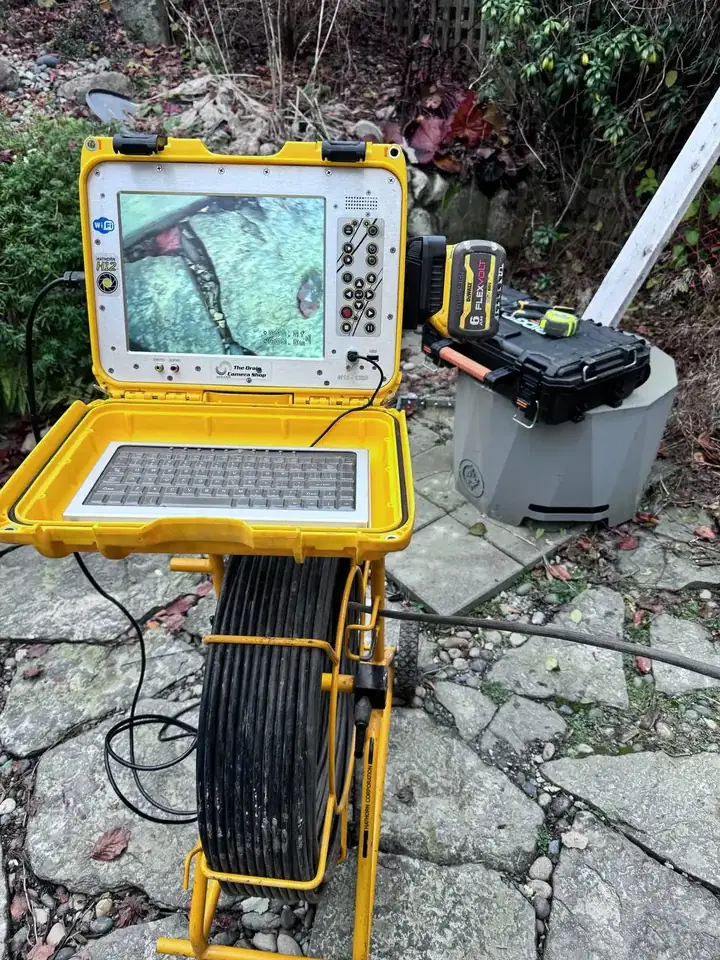
A camera inspection is not required for every cleaning project, but it can provide valuable information when the cause of the drainage problem is uncertain.
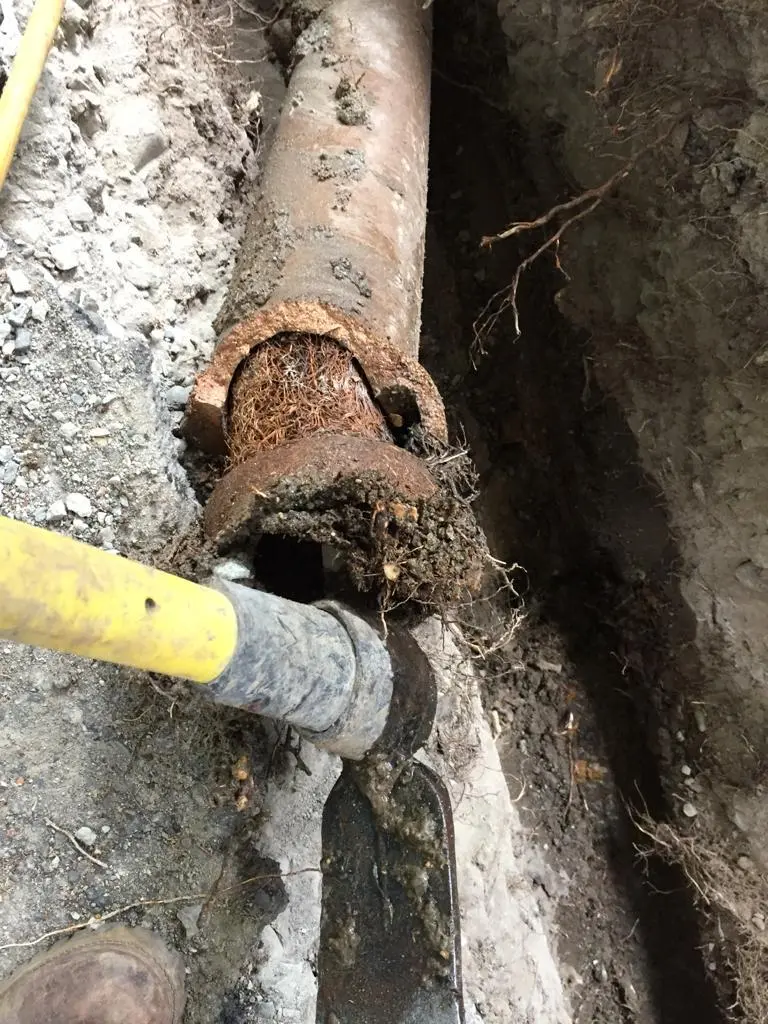
Many older homes throughout Vancouver and Greater Vancouver were built with clay drain tile rather than modern continuous PVC or HDPE drainage. These systems are made from individual sections installed around the foundation.
As clay drainage ages, the joints between sections can shift, separate or allow sediment and tree roots into the line. Individual clay sections can also crack, deteriorate or collapse over time.
Because the condition can vary from one section to another, older clay drainage should not automatically be treated the same way as newer pipe. The goal is to determine whether the line can be safely cleaned or whether root removal, localized repair or replacement is more appropriate.
If the existing pipe is structurally serviceable, cleaning may help restore flow. If the clay is cracked, separated or collapsed, the affected area may need to be repaired or replaced instead.

We provide perimeter drain, drain tile, weeping tile, French drain, catch basin and underground drainage cleaning for residential, strata and commercial properties throughout Greater Vancouver.
From single-family homes to strata complexes and commercial properties, our underground drainage team serves communities throughout Greater Vancouver.
Call us today for a free quote, We're happy to help!
EXCELLENT Based on 23 reviews Posted on Google Kwok RaymondTrustindex verifies that the original source of the review is Google. Underground Drainage Experts provide excellent service to fix my sinkhole in backyard. The crew is very detailed in explaining from technical point of view and I feel easy to understand. The quotation they provide is pretty reasonable and honest. Their service covers wide variety of handyman works. I would recommend 5 stars.Posted on Google carver PowerTrustindex verifies that the original source of the review is Google. I had a persistent issue with water pooling in my yard, so I called Vancouver Underground Drainage Experts for help. They conducted a thorough camera inspection and discovered that half of my yard didn't even have a drainage system. They promptly put together a quote to add new drainage tied into my existing system. Before deciding, I obtained quotes from five other companies. Vancouver Underground Drainage Experts offered the most reasonable price, and I'm thrilled I chose them. Their communication was excellent, and the team was polite and highly professional throughout the entire process. The new drainage system has made a world of difference. If you need drainage solutions, I highly recommend Vancouver Underground Drainage Experts. Their expertise, reasonable pricing, and outstanding customer service make them the best choice.Posted on Google chace oliverTrustindex verifies that the original source of the review is Google. The employee Isaac that came out to service our drains was absolutely fantastic he went above and beyond found everything we needed to find and mapped it out beautifullyPosted on Google Louis ChoyTrustindex verifies that the original source of the review is Google. Lider did a great job replacing the backflow valve located in my sump.He showed up on time and kept me up to date on the progress.Posted on Google Alireza SetayeshgarTrustindex verifies that the original source of the review is Google. Very satisfied with the work. So affordable but still professional.Posted on Google carl balitTrustindex verifies that the original source of the review is Google. Great service and fair price.Posted on Google D ChanTrustindex verifies that the original source of the review is Google. Lider & the team at Vancouver Underground Drainage were great. We used them to add a gravity sump to our front yard, as well as clean out our clay drain tiles. They communicated every step of the way, and offered a few solutions to tie into my drain tile for easier cleaning down the road. Now that the rainy season is here, everything has been working smoothly!Posted on Google Derek FlemingTrustindex verifies that the original source of the review is Google. Vancouver Underground Drainage Experts recently did extensive foundation and drainage repairs at our house after we experienced a basement leak during the heavy winter storms earlier in the year. VUDE came out to inspect the problem promptly and developed a plan of action for the work required. The house had an old combined single pipe drainage system (handling both rainwater from the roof and groundwater) that was originally installed too high, and with no sump or proper connection to the municipal system. The foundation had no waterproofing and had a number of cracks and deficiencies that needed to be addressed. I am very detail-oriented, with a background in design and construction, and had a lot of questions… VUDE was highly responsive and took the time to clearly lay out every aspect of the work for me in advance. The entire foundation was dug up and exposed, repaired and waterproofed; and a new two-pipe drainage system installed at the correct elevation, with a new sump and proper connection to the sewer. Once the work got underway they quickly and efficiently dealt with any and all “surprises” encountered in order to ensure the system was installed properly. I really have to hand it to the foreman Alex, as all throughout construction he maintained clear and open dialogue with me with regards to the work and all of my many, many questions. Alex and his team were thoughtful and conscientious when it came to the impact of the work on our family and our tenants, always respectful regarding noise etc. and ensuring daily clean up of the site and tools as much as possible. There were many instances when I would say Alex went above and beyond to ensure that the work was done to the highest standard, not only because of my insistence but because I believe Alex is a perfectionist in everything he does. All in all we are very pleased with the work and happily recommend VUDE for anyone in need of foundation and drainage work.Posted on Google Tom EdwardsTrustindex verifies that the original source of the review is Google. The job was a little pricy but the guys were quick and did a great job.
Underground drainage can be called different things depending on the property and the age of the system. These are some of the questions we hear most often from Greater Vancouver property owners.
Often, yes. In Greater Vancouver, people may use perimeter drain, drain tile, weeping tile, foundation drain or footing drain to describe underground drainage installed around a building's foundation.
The exact construction can vary depending on the age of the property. Older homes may have clay drain tile, while newer systems are more likely to use modern perforated drainage pipe.
Possible signs include water collecting near the foundation, drainage that appears slow, recurring sediment in accessible drainage points, or a system that repeatedly backs up during wet weather.
However, similar symptoms can also be caused by roots, damaged pipe or poor drainage configuration. The cause should be identified before assuming the system simply needs flushing.
Sometimes. If the clay tile is still structurally serviceable, sediment and buildup may be removable from the line.
Older clay drainage is made from individual sections, so joints may shift or separate and roots can enter between sections. Cracked, deteriorated or collapsed tile may require repair rather than more aggressive cleaning.
Hydro flushing may move small loose material, but significant root intrusion normally requires mechanical root cutting or auger equipment.
Roots also indicate that they found a way into the drainage system. If a joint is separated or a pipe is damaged, removing the roots does not repair that opening.
Learn more about drainage root removal .
An accessible French drain pipe may sometimes be flushed when sediment or buildup is restricting the line.
However, a French drain also relies on the surrounding gravel and filter material. If those materials have become heavily contaminated with soil, cleaning the pipe alone may not restore the complete drainage system.
There is no single cleaning schedule that applies to every property. The appropriate interval depends on the age of the drainage system, surrounding soil, tree roots, previous drainage problems and how much sediment enters the lines.
A system that is flowing properly does not necessarily need to be hydro flushed simply because a certain number of years have passed.
A restriction caused by mud or sediment may respond to cleaning. Physical failures such as a collapsed section, broken clay tile or separated connection will not.
When accessible, a drain camera inspection can help identify conditions inside the line. In some cases, the final condition becomes clear only once the problem area is exposed.
Not for every job. A camera inspection can be useful when the cause of the problem is unclear, when an older drainage system may be damaged, or when we need more information before choosing a cleaning method.
Camera access also depends on whether there is an appropriate entry point and whether the camera can travel through the line.
No. Hydro flushing removes suitable buildup from a drainage line; it does not repair the structure of the pipe.
If a section is cracked, separated, crushed or collapsed, that area may need excavation and perimeter drain repair or replacement.
Both use pressurized water to clean drainage lines. The terminology is often used interchangeably, but the actual pressure, nozzle and cleaning method should be selected for the pipe being serviced.
An older clay drain tile system should not automatically be treated the same way as a modern, structurally sound drainage pipe.
Yes. Catch basins and outdoor sump pits can collect mud, leaves, sediment and other debris. Removing that material can help preserve capacity and prevent debris from entering connected underground drainage.
If water still does not leave the basin properly after it is cleaned, the connected inlet, outlet or underground line may also need to be investigated.
Standard accessible residential drain cleaning within our regular Greater Vancouver service area currently starts at $595.
Cost can increase when there are multiple lines, difficult access, larger commercial drainage, excavation required to expose an access point, or a more complicated underground drainage system.
Camera inspection, root cutting and drainage repair are separate services when required.
We explain what was found and what the practical next step is. Significant roots may require mechanical root removal, while cracked, separated or collapsed drainage may require excavation and repair.
The goal is to match the solution to the actual drainage problem rather than repeatedly cleaning a pipe that has physically failed.
Tell us what is happening at the property, where you are seeing water and anything you know about the existing drainage. Our team can help determine the appropriate next step.
Tell us what is happening at your property. Whether you are dealing with a slow perimeter drain, sediment buildup, older clay drain tile, recurring drainage problems or water collecting around the property, our team can help determine the appropriate next step.
Send us your property information and a short description of the drainage problem. Our team will review your request and contact you about the next step.
The contact form will load automatically when this section comes into view. If it does not appear, use the button below.

Not sure which drainage service you need? Tell us what is happening on the property and we'll help determine where to start.
Call (604) 359-5022 →