Drain Camera Inspection Vancouver
Find the problem inside an exterior underground drain before deciding where to clean, repair or excavate.
We provide drain camera inspections for yard drains, catch basin lines, underground downspout drainage, stormwater drainage and other exterior underground drains throughout Greater Vancouver.
Inspection
Problem
Unnecessary Digging
Strata & Commercial
Lines
Drainage
Drains
Connections
Find Out What Is
Happening Below
Ground
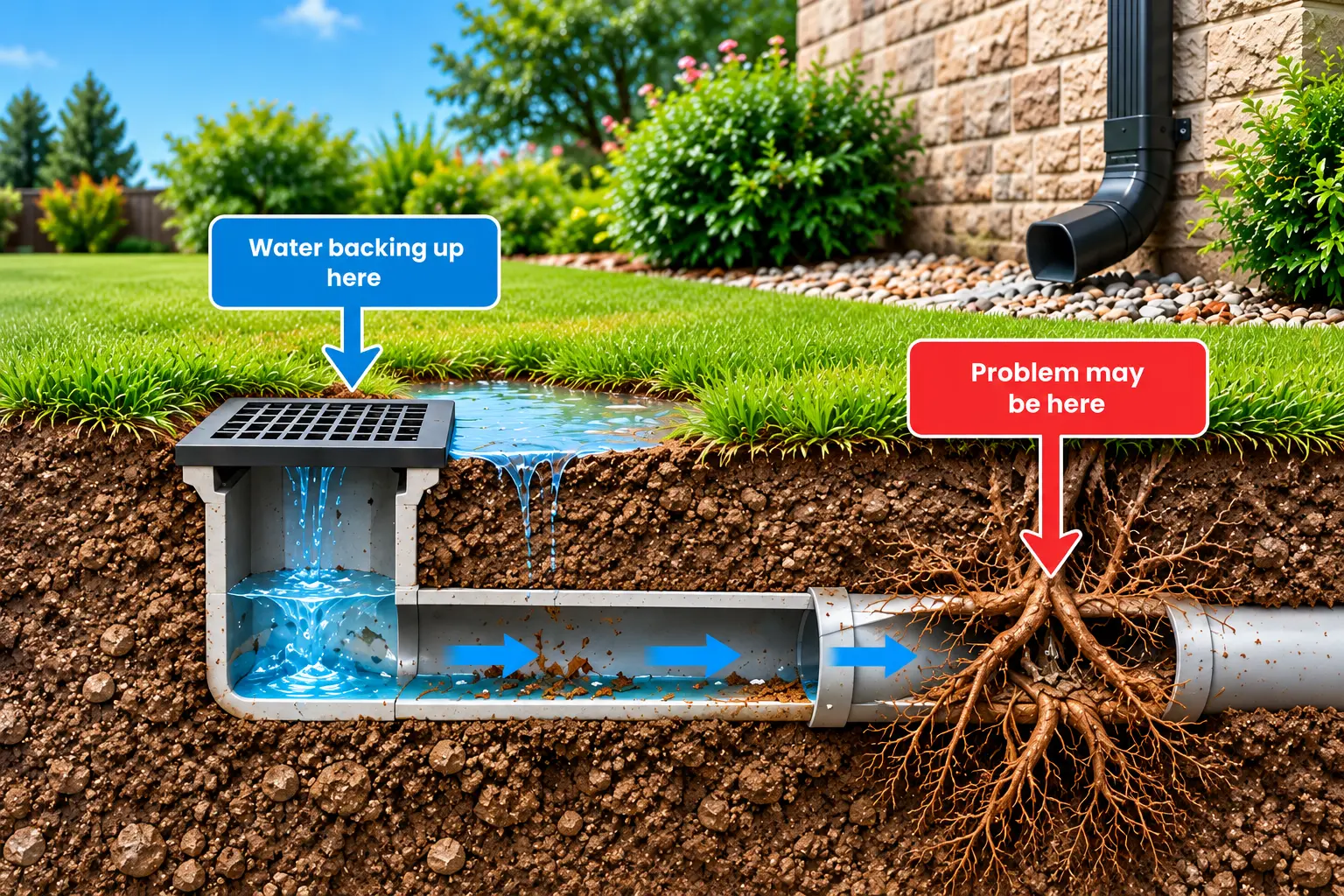
When an exterior drain stops moving water properly, the visible problem may only be the symptom.
Water can back up at one location even when the restriction is farther along the buried drainage line. That makes it difficult to know where to investigate from the surface alone.
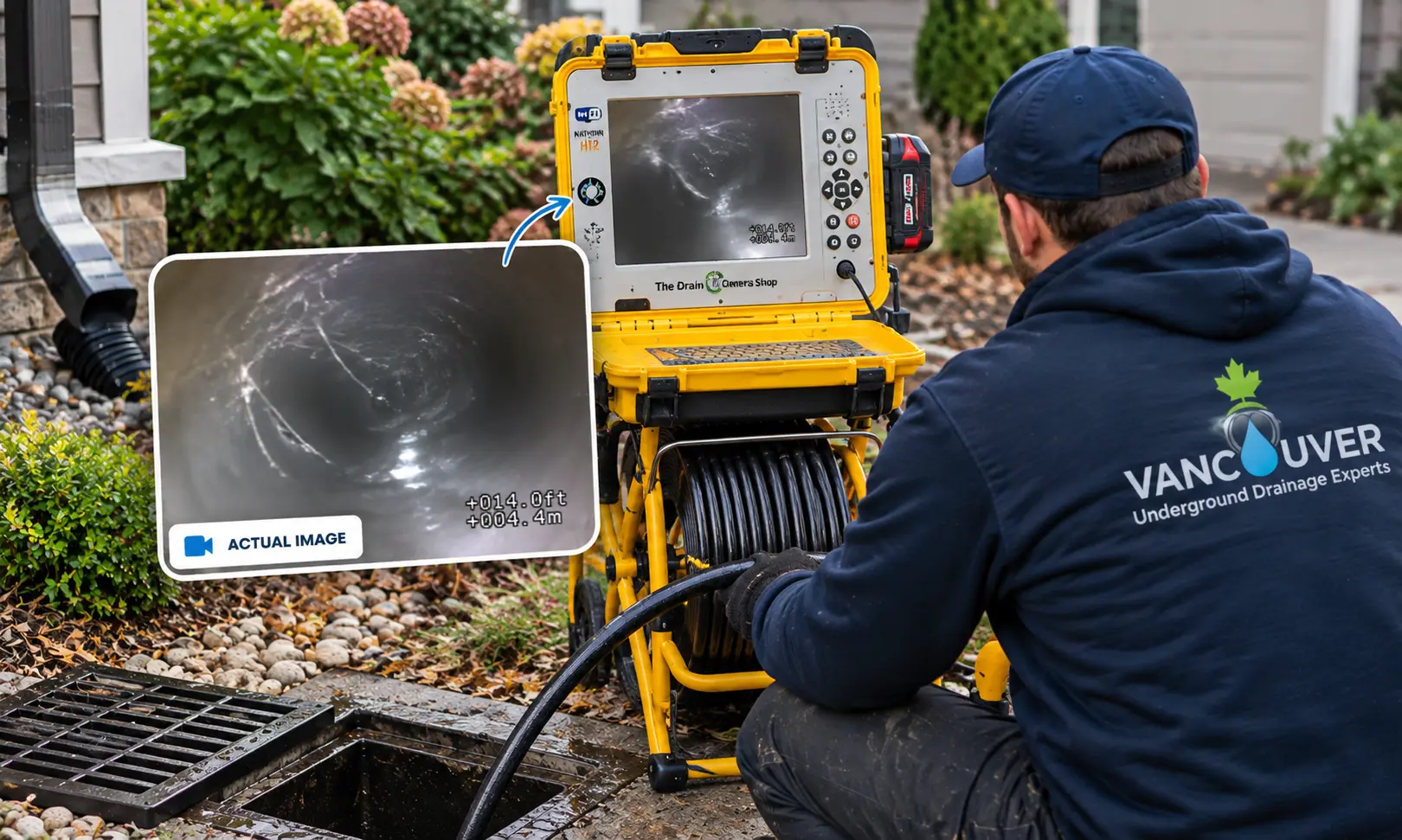
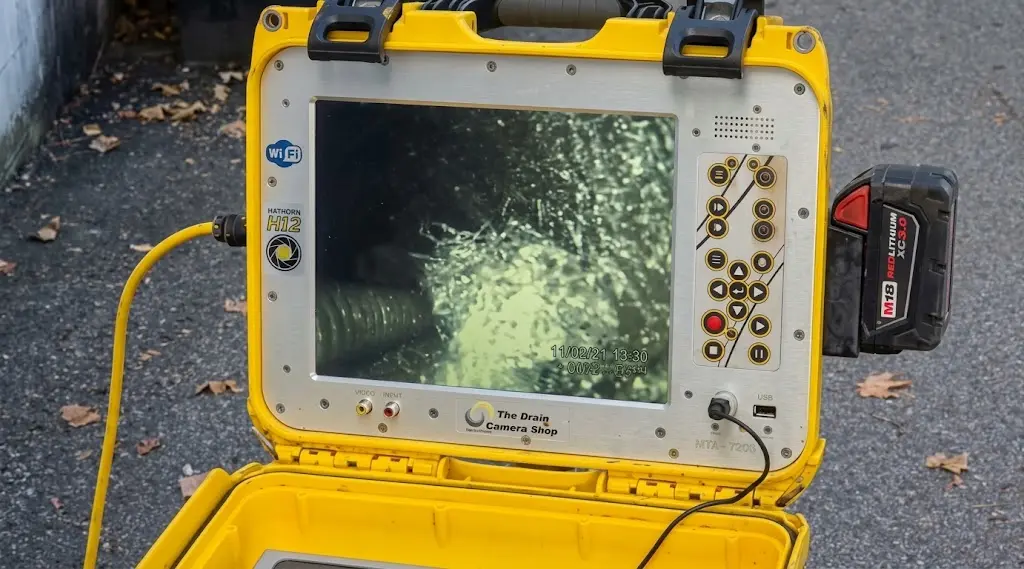
A drain camera gives us another way to approach the problem. We enter the accessible underground line and follow it from inside, watching what happens as the camera travels through the pipe.
We Follow the Problem Underground
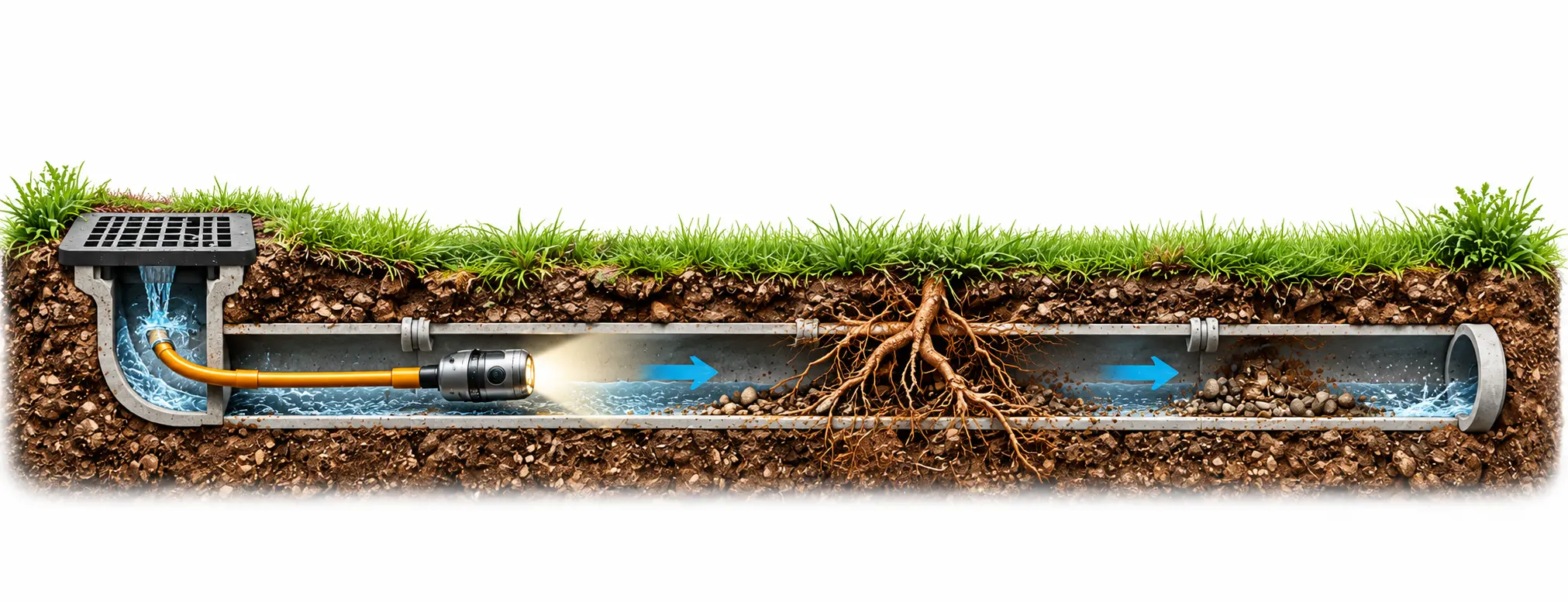
We start at an accessible drain and feed a camera through the underground line, watching the live footage as it travels. This helps us see what's happening inside the pipe and narrow down the area that may require cleaning, repair or further investigation.
Start at the Drain
We locate a suitable exterior entry point such as a yard drain, catch basin connection or cleanout.
Feed the Camera Into the Line
The camera is advanced through the underground drainage while we watch the live footage.
Watch for Changes
We look for standing water, sediment, roots, obstructions or unusual connections.
Identify the Area to Investigate
If something unusual is found or the camera cannot continue, this helps narrow down where further investigation may be required.
A camera inspection helps us follow the line and understand what is happening below the surface.
What the Camera
Actually Shows Us
The camera gives us a live view from inside the accessible drainage line. As it travels, we may be able to observe:
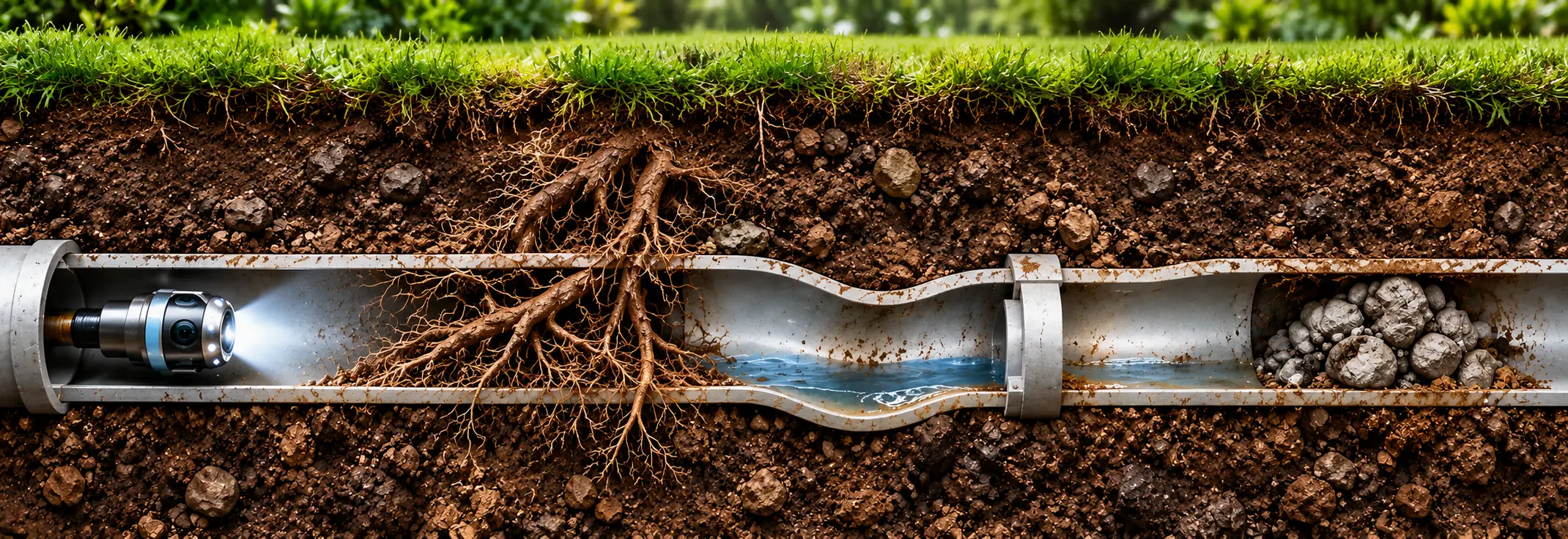
The Open Space Inside the Pipe
We can see how much of the drainage passage remains open.
Material Inside the Drain
Soil, sediment, debris or roots may be visible.
Water Sitting in the Line
We can see whether sections contain standing water when conditions allow.
Changes Between Sections
The appearance, direction or condition of the drainage may change as the camera travels.
Where Camera Travel Stops
An obstruction or physical condition may prevent the camera from continuing.
We compare that with what is happening above ground.
The Most Important Clue May Be
Where the Camera Stops
A successful inspection does not necessarily mean the camera travels from one end of a drainage system to the other. Sometimes it cannot. Even when the entire line cannot be inspected, knowing how far the camera travelled and where it stopped can significantly narrow the investigation.
Heavy Material
Inside the Pipe
A significant buildup can leave too little room for the camera to pass.
Roots Crossing
the Opening
Dense root growth can restrict camera travel.
A Sharp Change
in Direction
Bends in the drainage configuration may prevent the camera from continuing.
A Displaced
Connection
An offset between pipe sections can block camera travel.
An Unknown
Obstruction
Sometimes we can reach a specific point but cannot see or pass what lies beyond it.
Not Every Drainage Problem Is Inside the Pipe
An underground drain can appear relatively open on camera while the property still has a water problem. That is because exterior drainage begins before water enters the pipe.
We also consider:
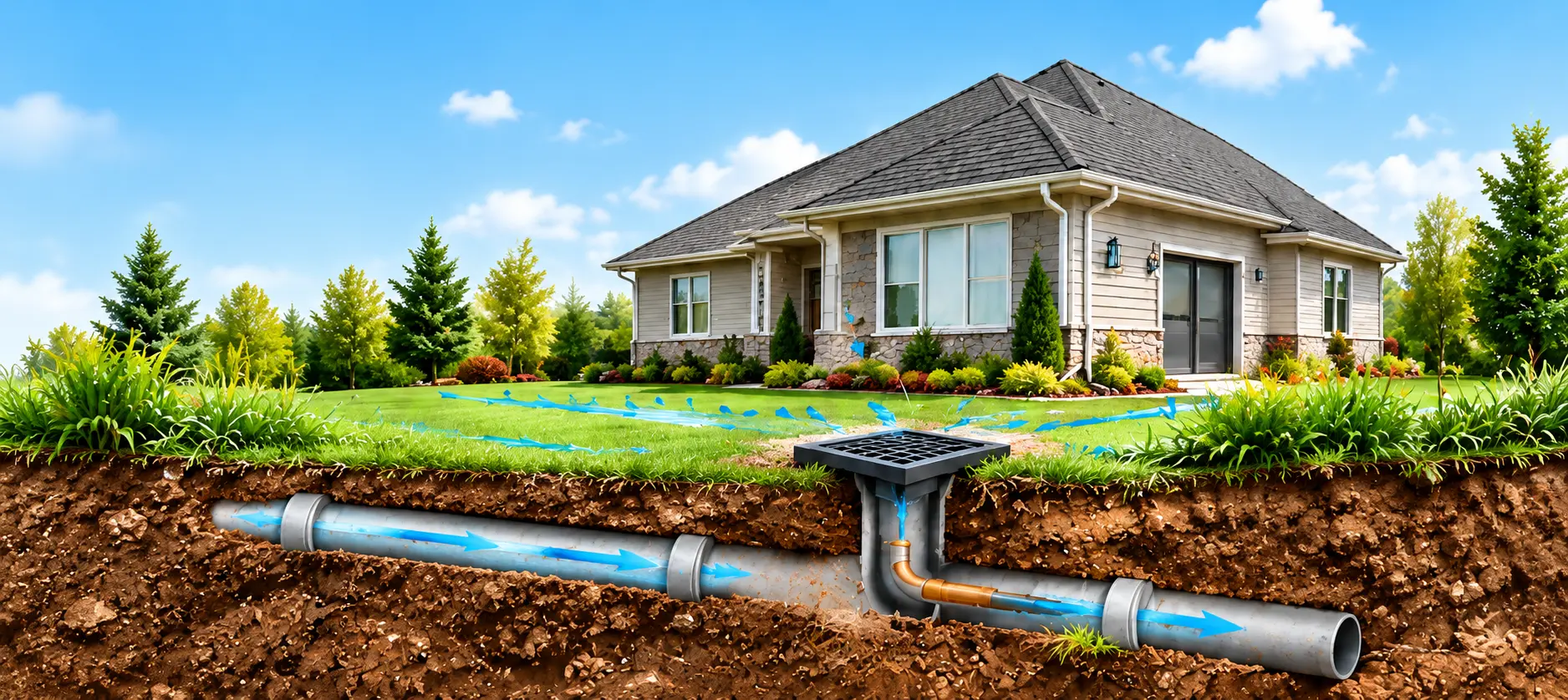
Where Is the Water Coming From?
Roof runoff, surface runoff and groundwater behave differently.
Where Do Downspouts Discharge?
Roof water can contribute a significant amount of flow during heavy rainfall.
How Is the Property Graded?
Water may naturally travel toward a low area before it reaches a drain.
Where Is the Catch Basin Positioned?
The location and elevation affect what water it can actually collect.
Can Water Reach the Drain?
A clear underground line cannot help if surface water is flowing somewhere else.
We also look at how water moves across the property before it enters the pipe.
Exterior Drain Camera
Inspection Has Limits
Underground drainage was not always installed with future camera access in mind. Whether we can inspect a line — and how far we can inspect it — depends on the property.
Camera travel can be limited by:Entry Point
Diameter
Bends
Configuration
Sediment
Material
Obstructions
Drainage Systems
We cannot promise that every underground line can be inspected from end to end.
What we can do is use the available access and footage to gather as much useful information as conditions allow.
Things that may limit inspection:
- Limited or no accessible entry point
- Smaller pipe diameter
- Multiple or sharp bends
- Complex or modified drainage configuration
- Heavy sediment, debris or standing material
- Roots or other physical obstructions
- Changes made to an older drainage system
Especially Useful When
the Drainage Layout
Is Unknown
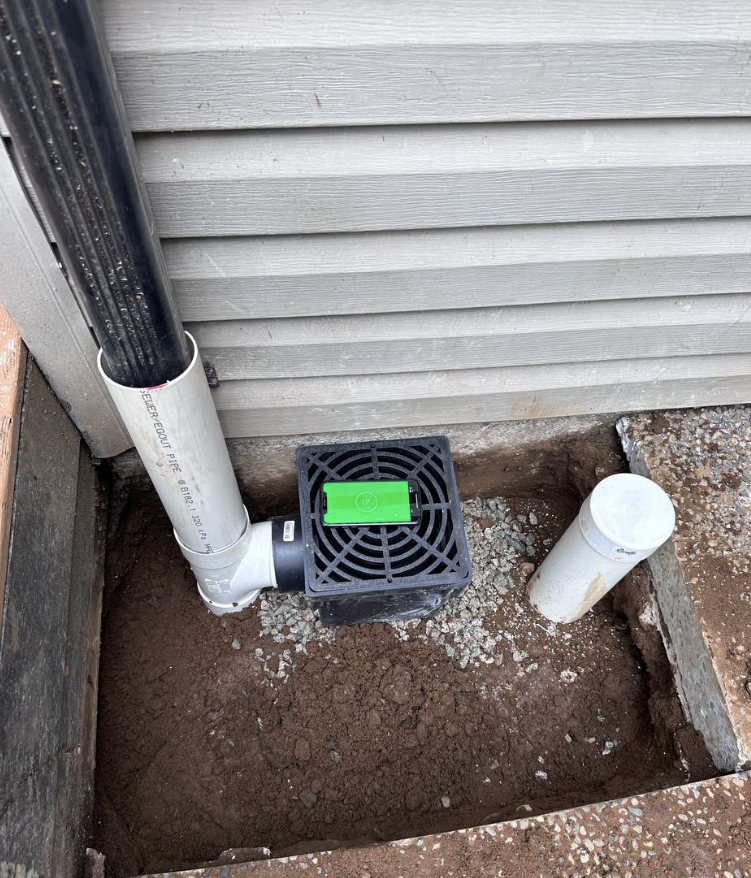
Greater Vancouver has properties of many different ages, and exterior drainage is not always configured the way a homeowner expects. Renovations, additions, landscaping and previous drainage work can also change how water moves around a property.
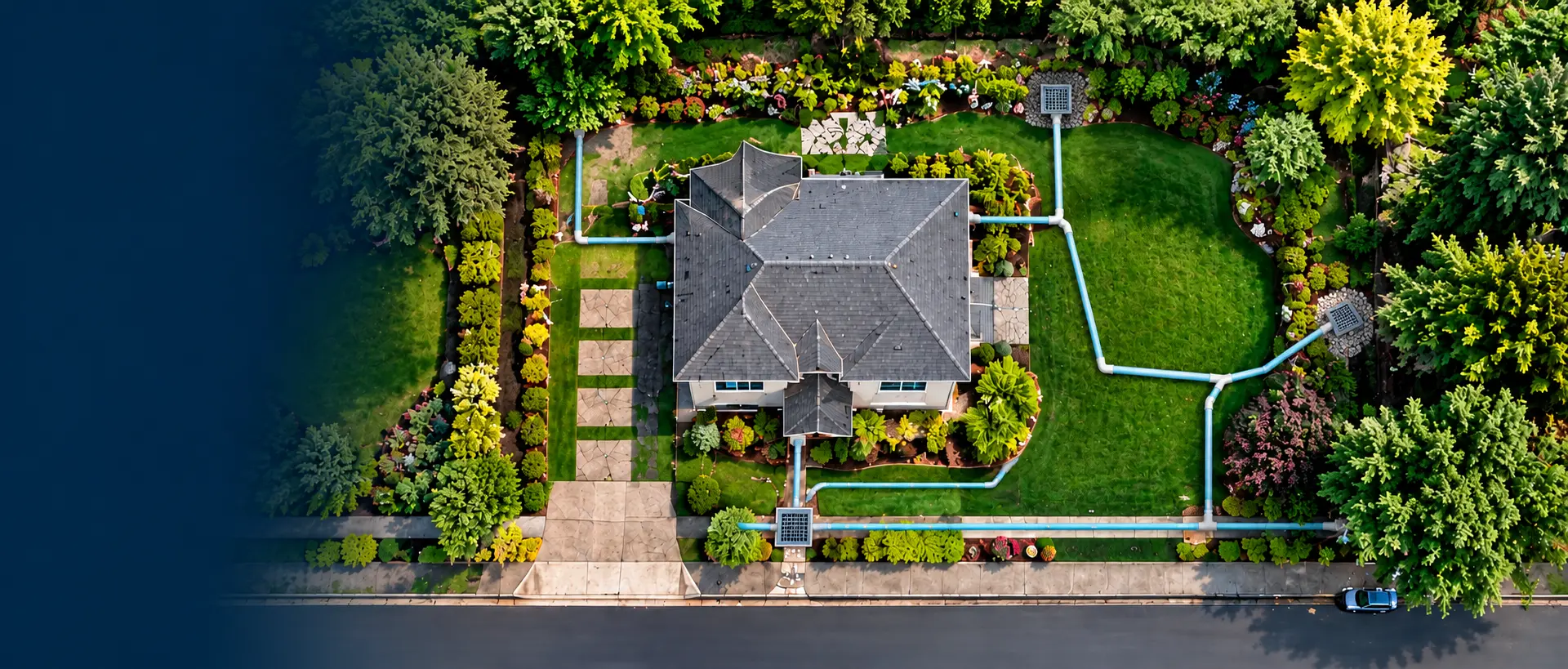
One Property Can Have
More Than One
Drainage Path
Water from different parts of a property may enter completely separate underground lines.
Roof → Downspout → Buried Drainage
Patio / Driveway → Catch Basin → Underground Drain
Low Yard Area → Yard Drain → Underground Drainage
Landscape Area → Surface Collection → Drainage Outlet
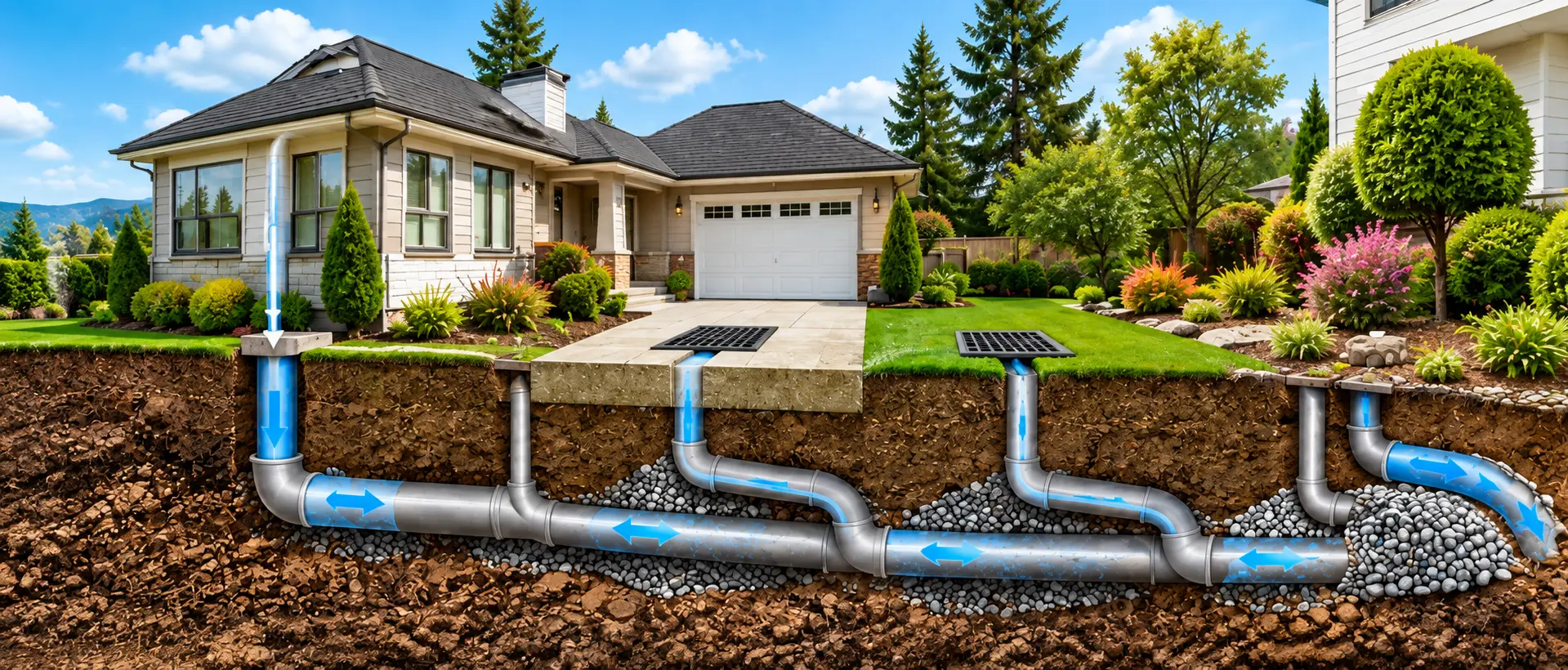
Downspout
Buried Drainage
Catch Basin
Underground Drain
Yard Drain
Underground Drainage
Surface Collection
Drainage Outlet
When Does a Drain
Camera Inspection
Make Sense?
A camera inspection may be worth considering when:
An exterior drain repeatedly backs up
A catch basin fills faster than it empties
An underground downspout appears to be blocked
The same drainage problem returns after rainfall
You do not know where a buried drain travels
There is an accessible underground line near a recurring wet area
You want more information about a buried drainage problem before considering excavation
When it may NOT be
the first step
If the problem is clearly caused by surface grading, water flowing toward the house, an overflowing gutter or another visible above-ground condition, investigating the property first may make more sense than immediately putting a camera into a drain.
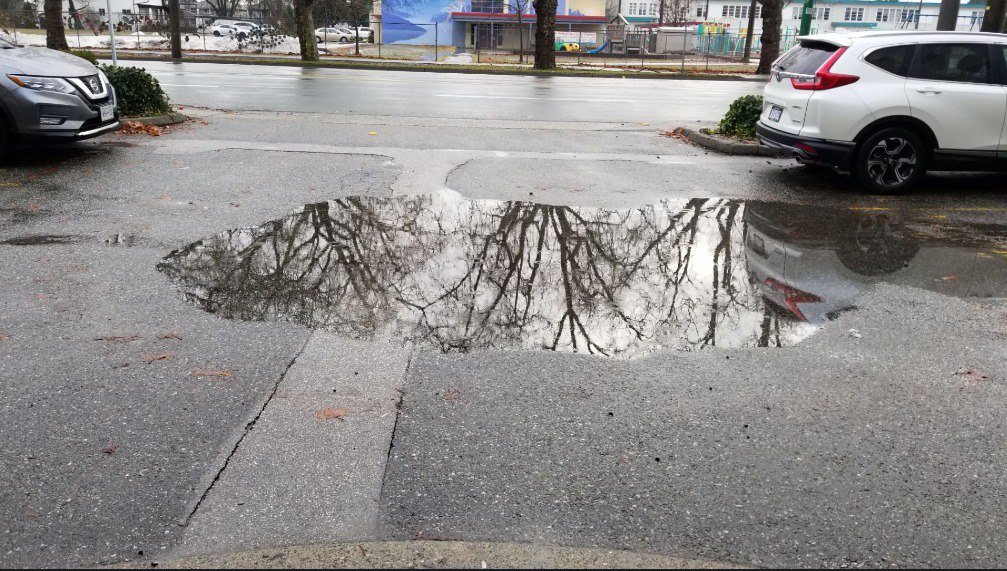
Drain Camera Inspections for Greater Vancouver Properties
We investigate accessible exterior underground drainage at:
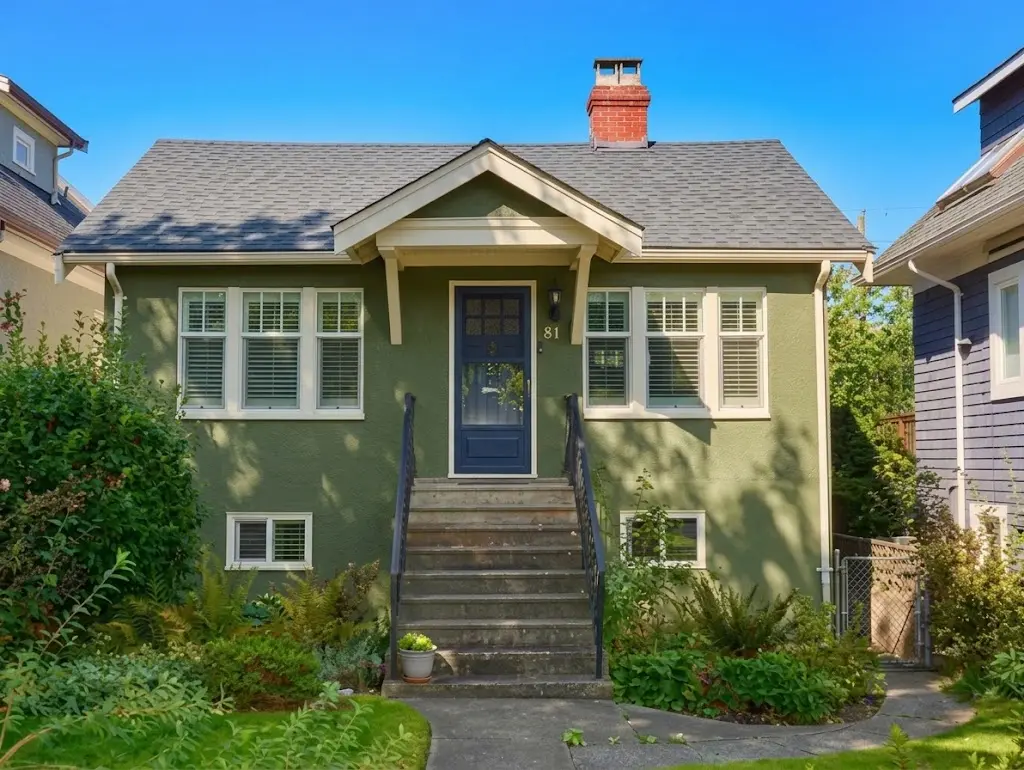
Residential Properties
Yard drainage, catch basins, buried downspouts and other exterior drainage around homes.
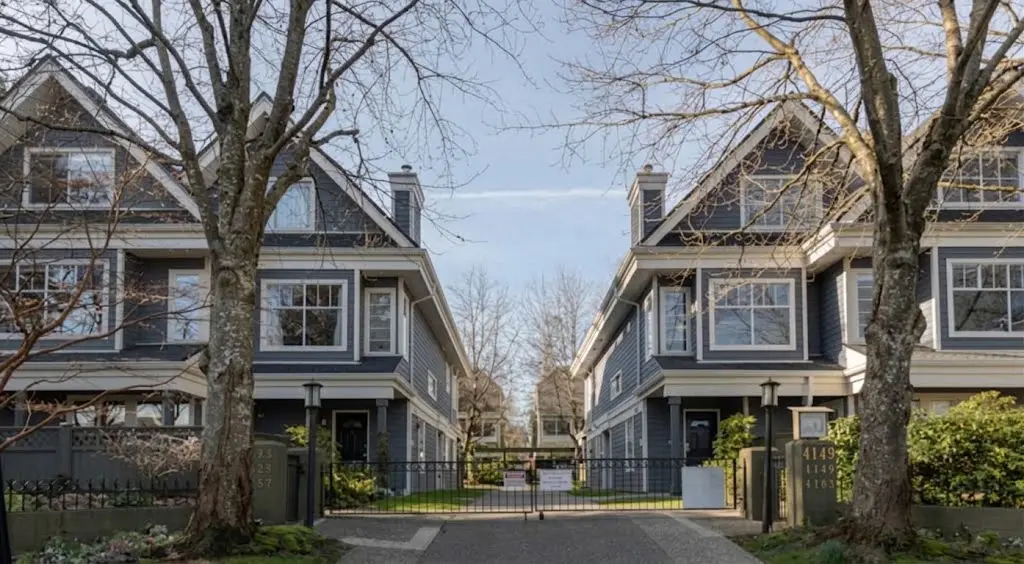
Strata Properties
Exterior drainage serving common landscaping, pathways and other accessible areas around strata properties.
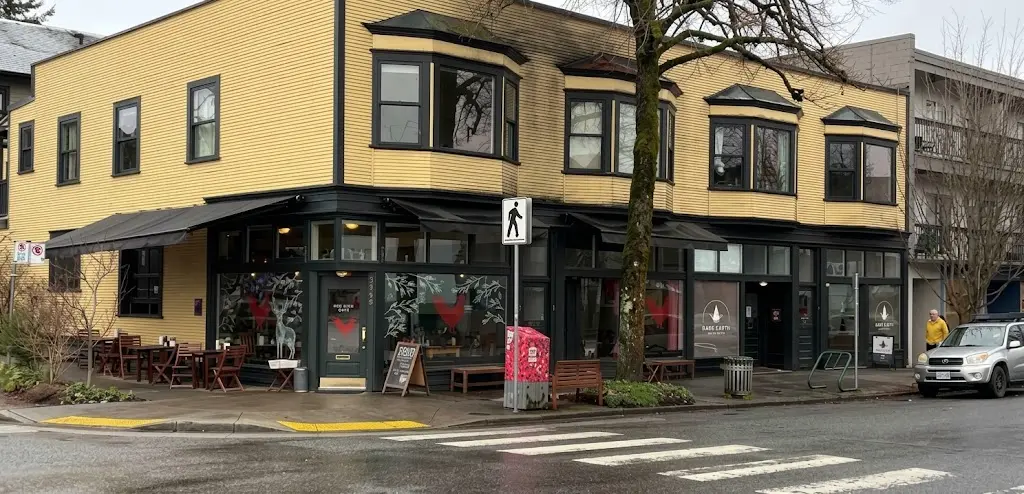
Commercial Properties
Private-property exterior stormwater and drainage lines where the source or location of a drainage problem needs further investigation.
Vancouver, Burnaby, Richmond, North Vancouver, West Vancouver, New Westminster, Coquitlam, Port Coquitlam, Surrey, Delta, Langley, Maple Ridge and Pitt Meadows.