
French Drain Installation Vancouver
Water that collects in lawns, beside foundations or in low areas of a property can leave soil saturated and create recurring drainage problems.
Vancouver Underground Drainage Experts installs French drain systems throughout Greater Vancouver to collect water from problem areas and redirect it toward an appropriate drainage point.
We assess where the water is coming from, how it is moving through the property and where it can be directed before determining the appropriate location and design for the French drain.
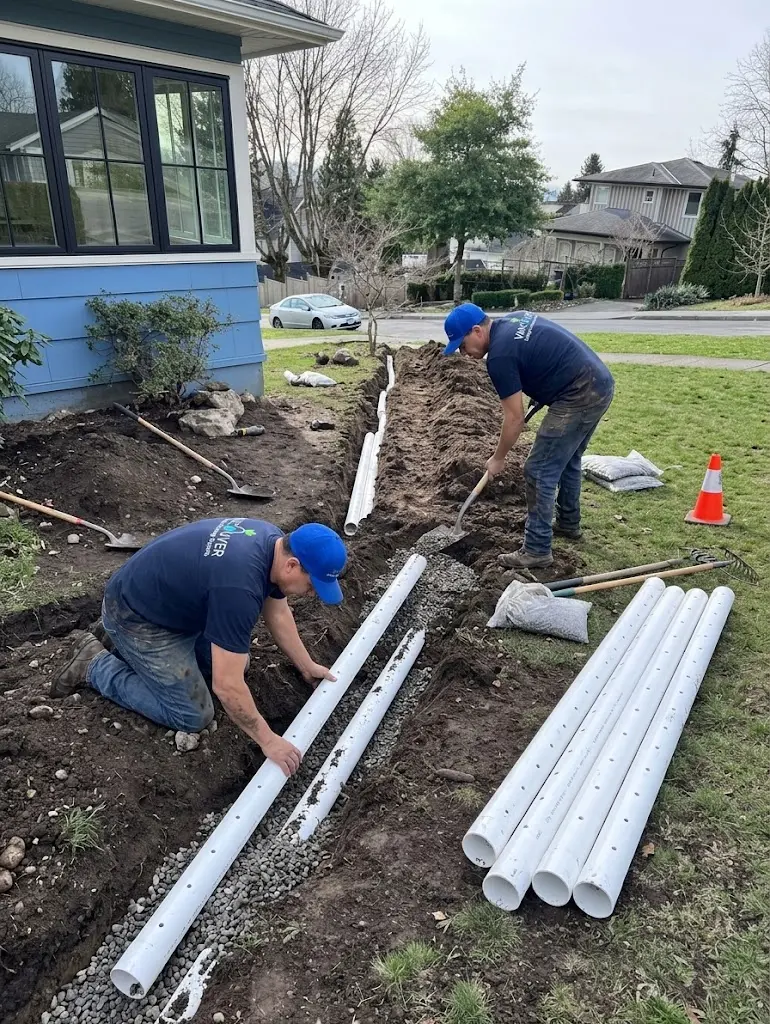
Trusted Across Greater Vancouver
Companies & Property Managers Who Have Trusted Us












How Does a French Drain Work?
A French drain is an underground drainage system designed to collect water from saturated soil and redirect it away from an area where water is accumulating.
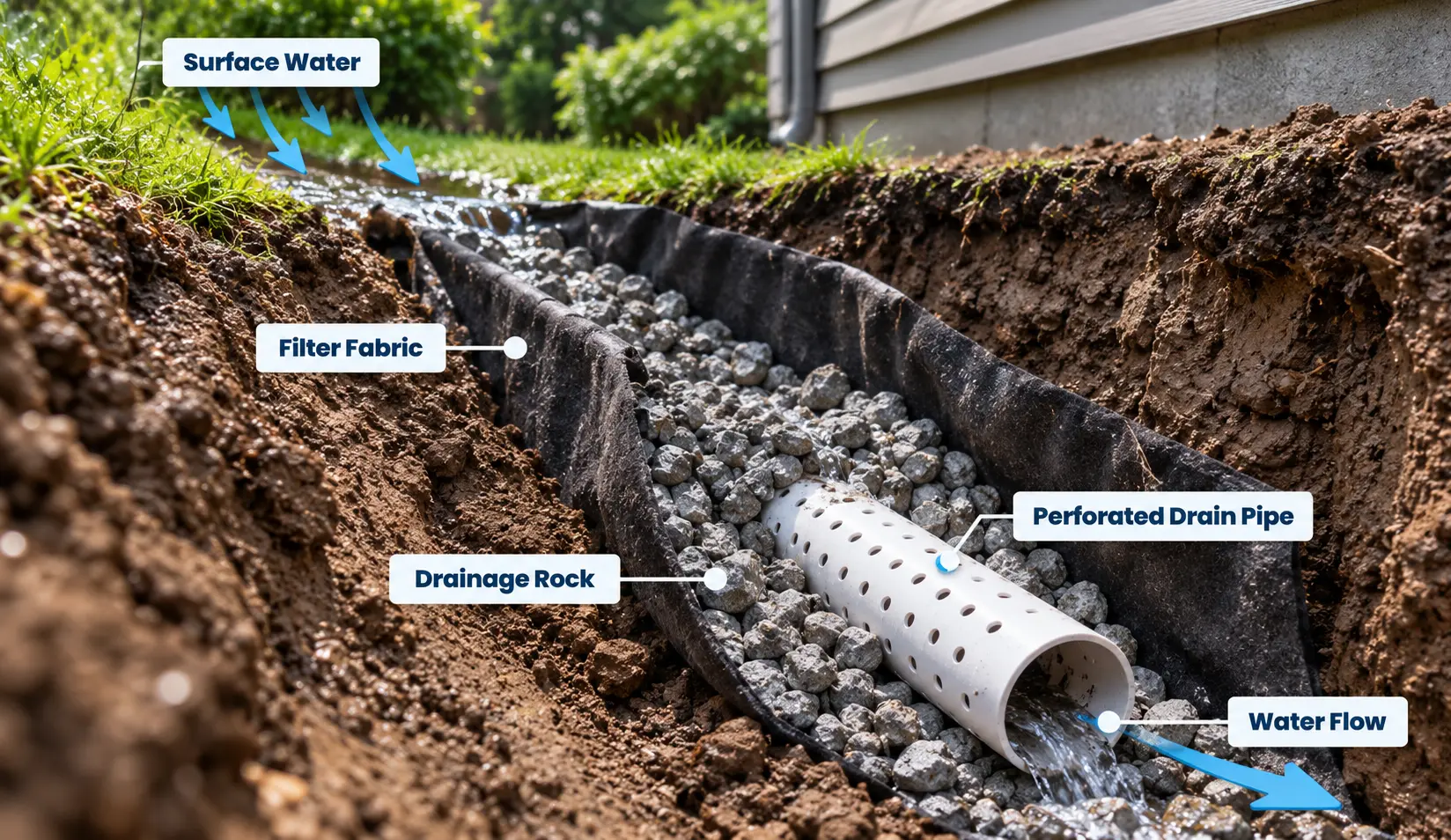
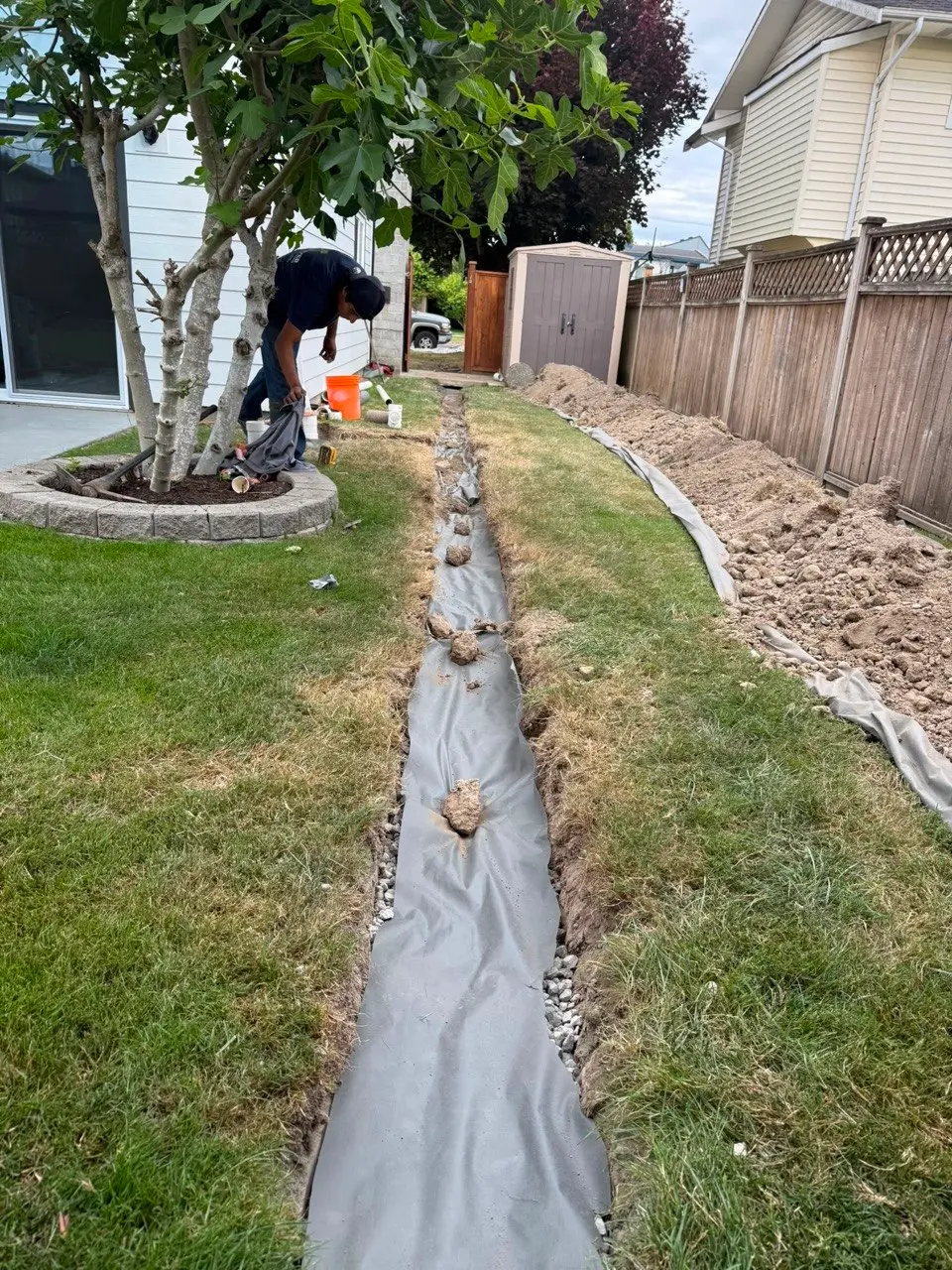
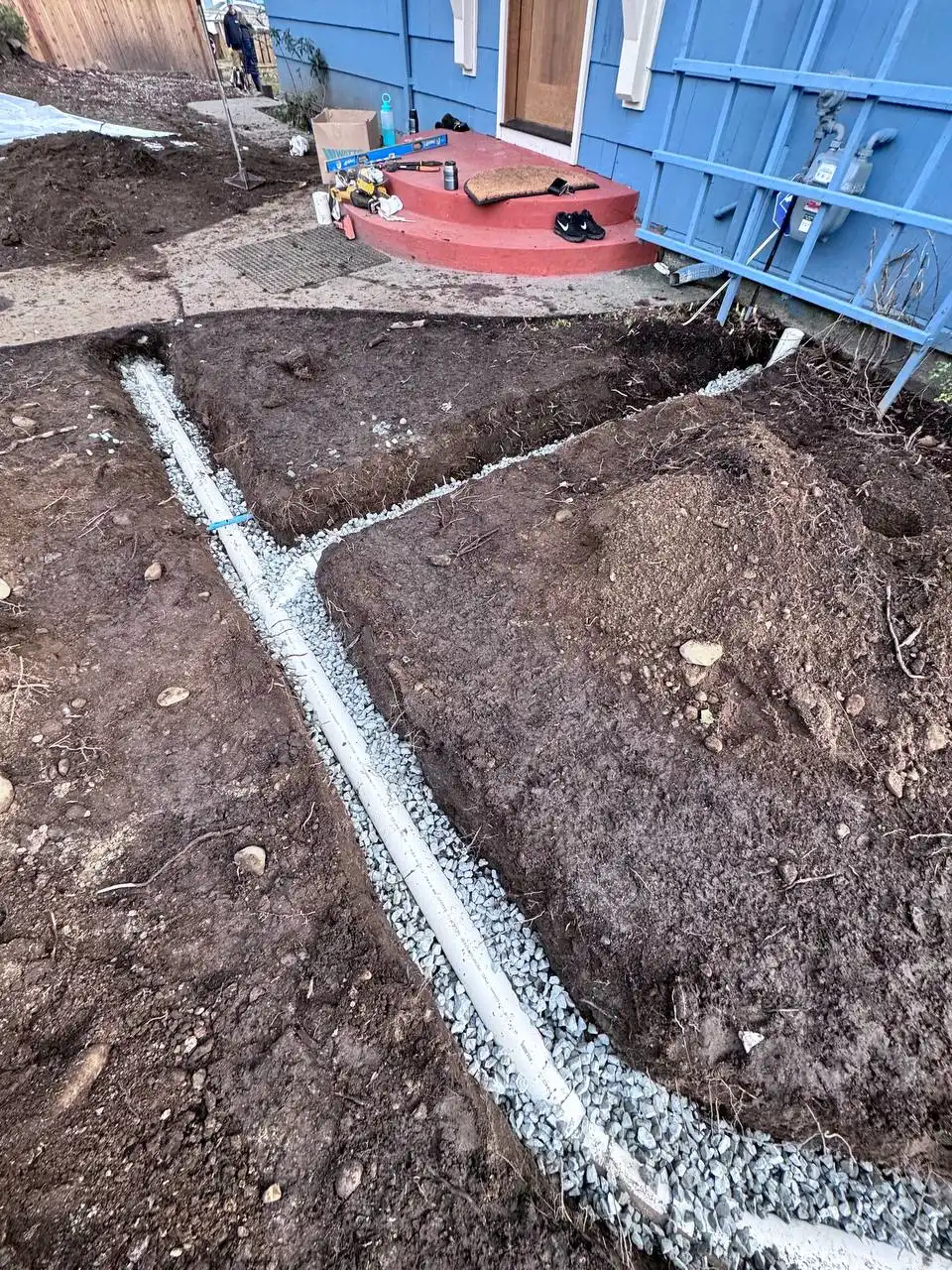
A typical French drain consists of a trench containing drainage rock and perforated drainage pipe, with filter fabric used to help prevent surrounding soil from entering the drainage material.
As water moves through the surrounding soil, it enters the gravel-filled trench and perforated pipe. The pipe provides a route for the collected water to move toward an appropriate drainage or discharge point.
A French Drain System Typically Includes:
Excavated Trench
Creates the underground route through the problem area.
Filter Fabric
Helps separate surrounding soil from the drainage rock.
Drainage Rock
Creates open space for water to move through the trench toward the pipe.
Perforated Drain Pipe
Collects water entering the trench and carries it through the system.
Drainage Outlet
Provides an appropriate destination for the water collected by the system.
How We Install a French Drain
A French drain should be designed around the actual water problem rather than simply digging a trench through the wettest part of the property.
The depth, route, drainage material, pipe and outlet can vary depending on the property and site conditions.
Designed for Your Property
We assess the drainage problem, site conditions and the best drainage route before excavation begins.
Assess the
Water Problem
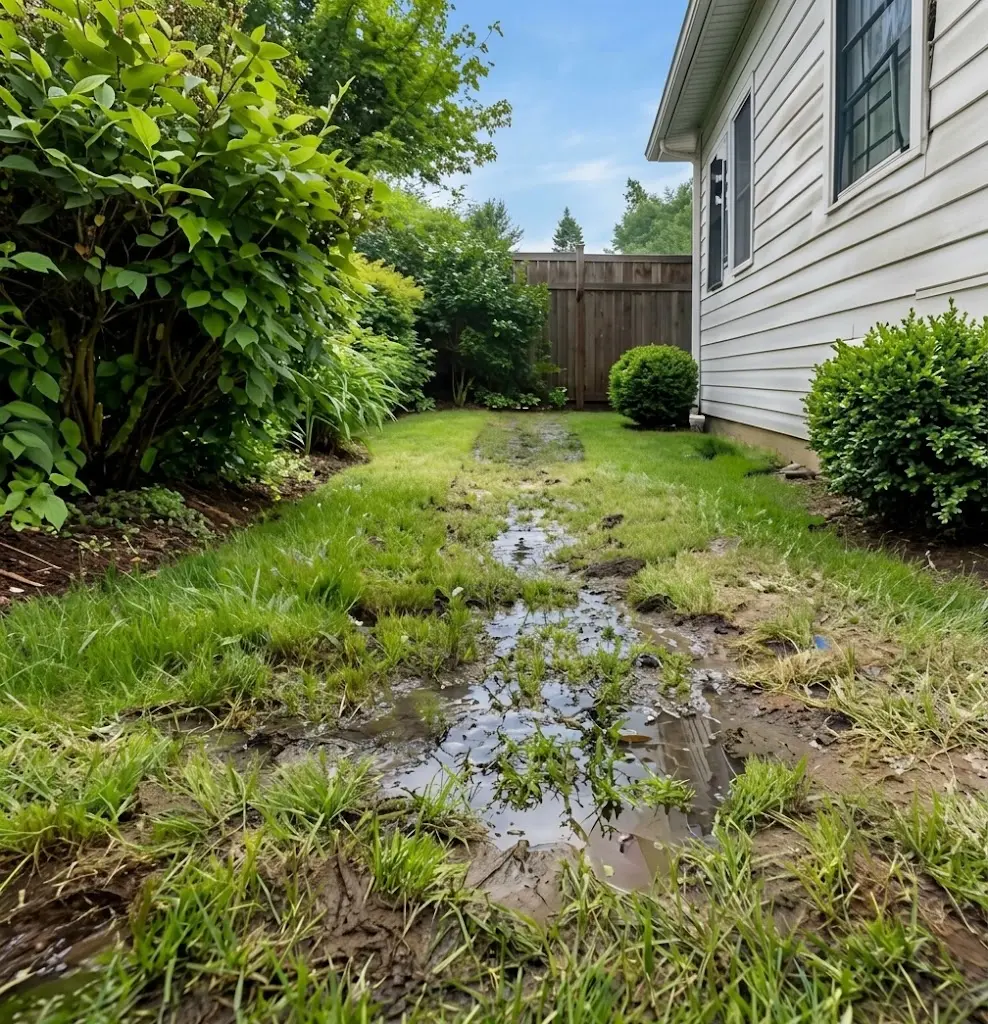
We look at where water is accumulating, surrounding elevations, existing drainage and where the water appears to be coming from.
Determine the
Drainage Route
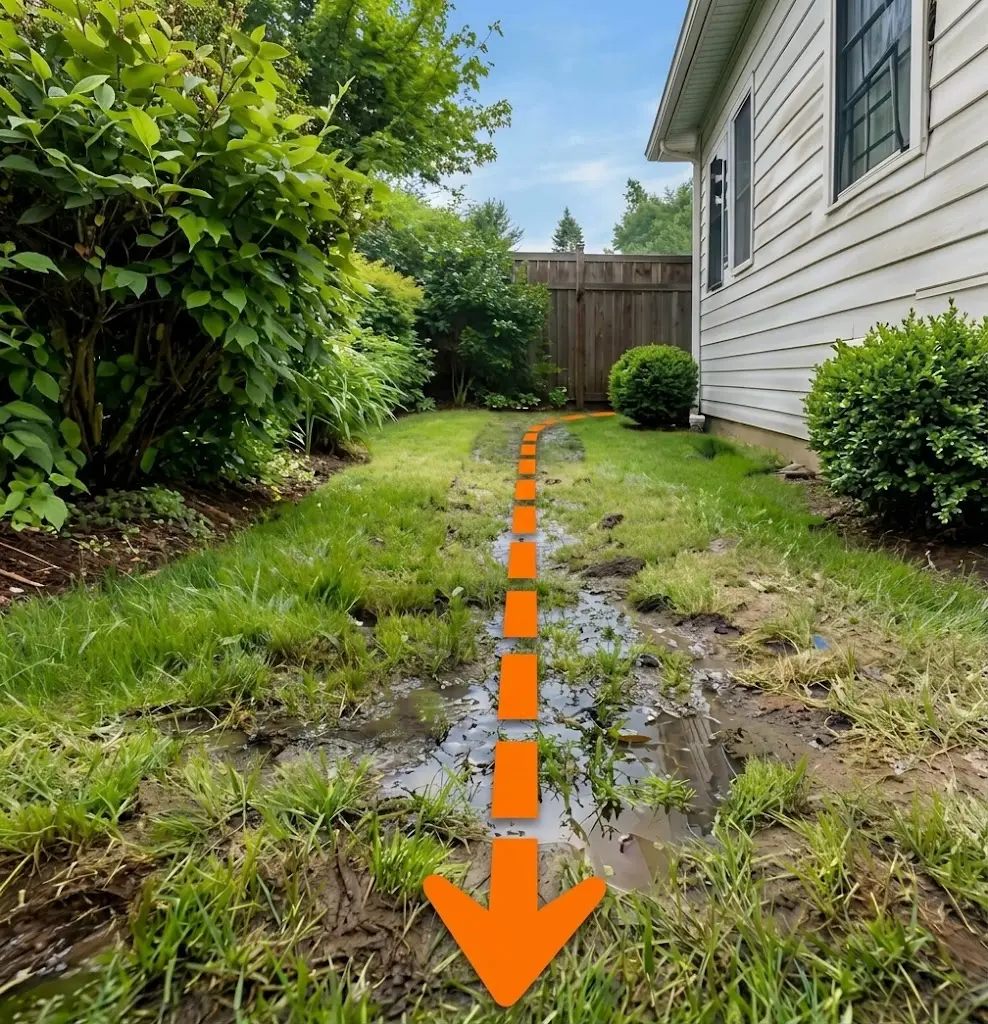
The French drain needs an appropriate route to collect water and move it away from the problem area.
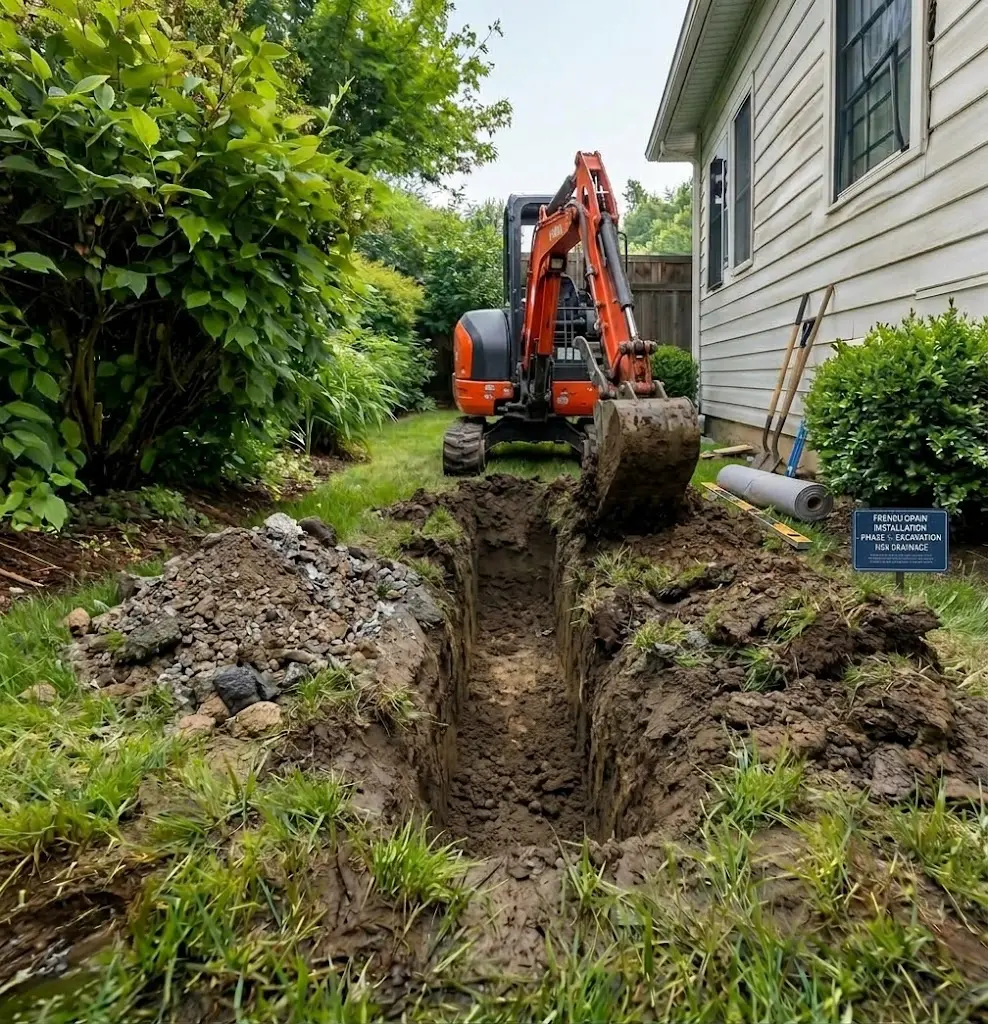
Excavate the
Trench
The drainage route is excavated to the required depth and width based on the property and drainage conditions.
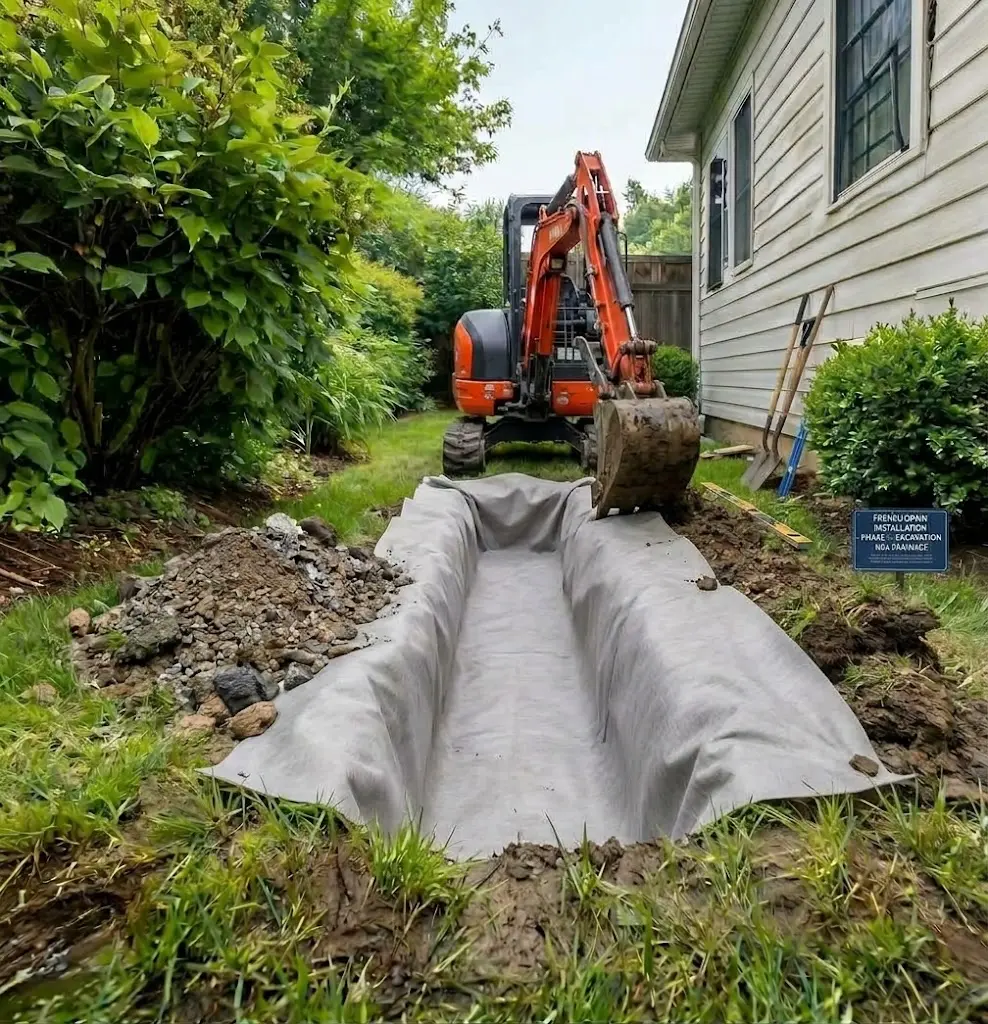
Install Filter
Fabric
Filter fabric is installed where appropriate to help separate surrounding soil from the drainage aggregate.
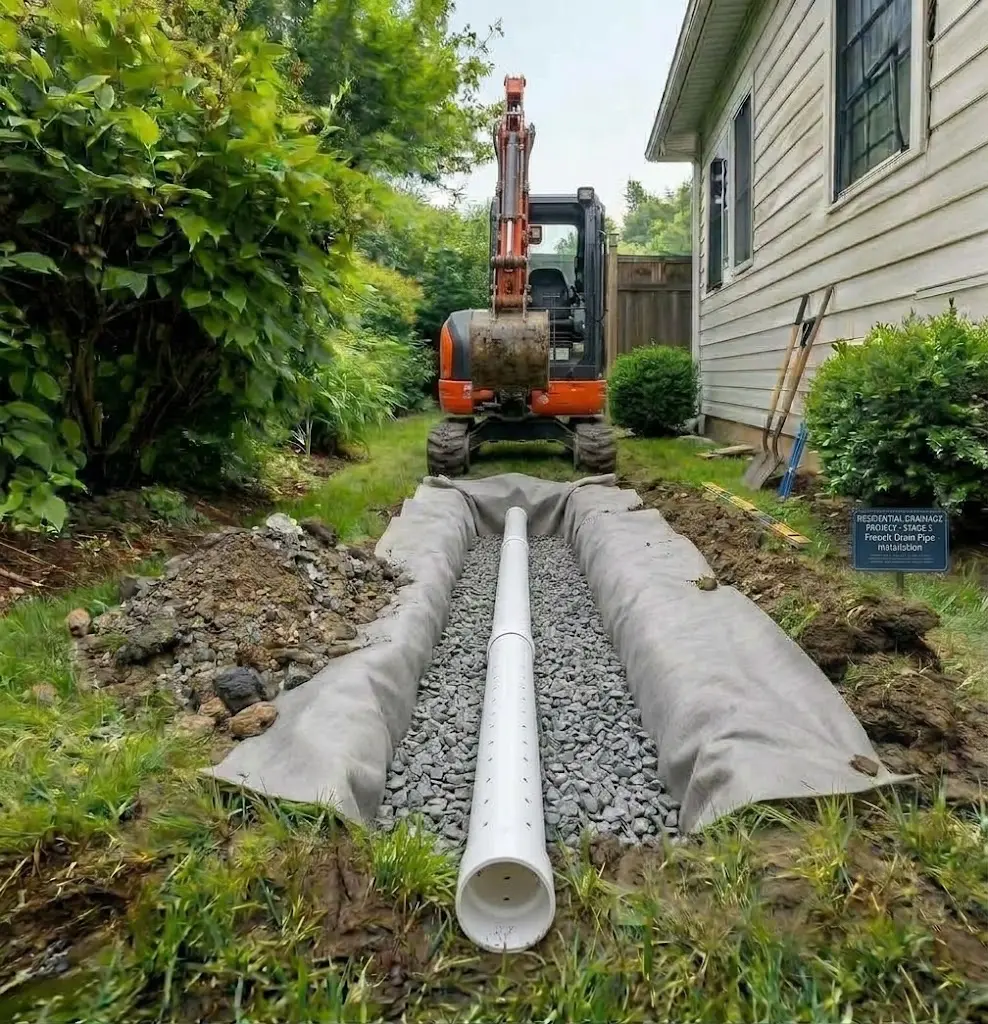
Install Perforated
Drain Pipe
Perforated drainage pipe is positioned through the trench with drainage rock to collect and transport water through the system.
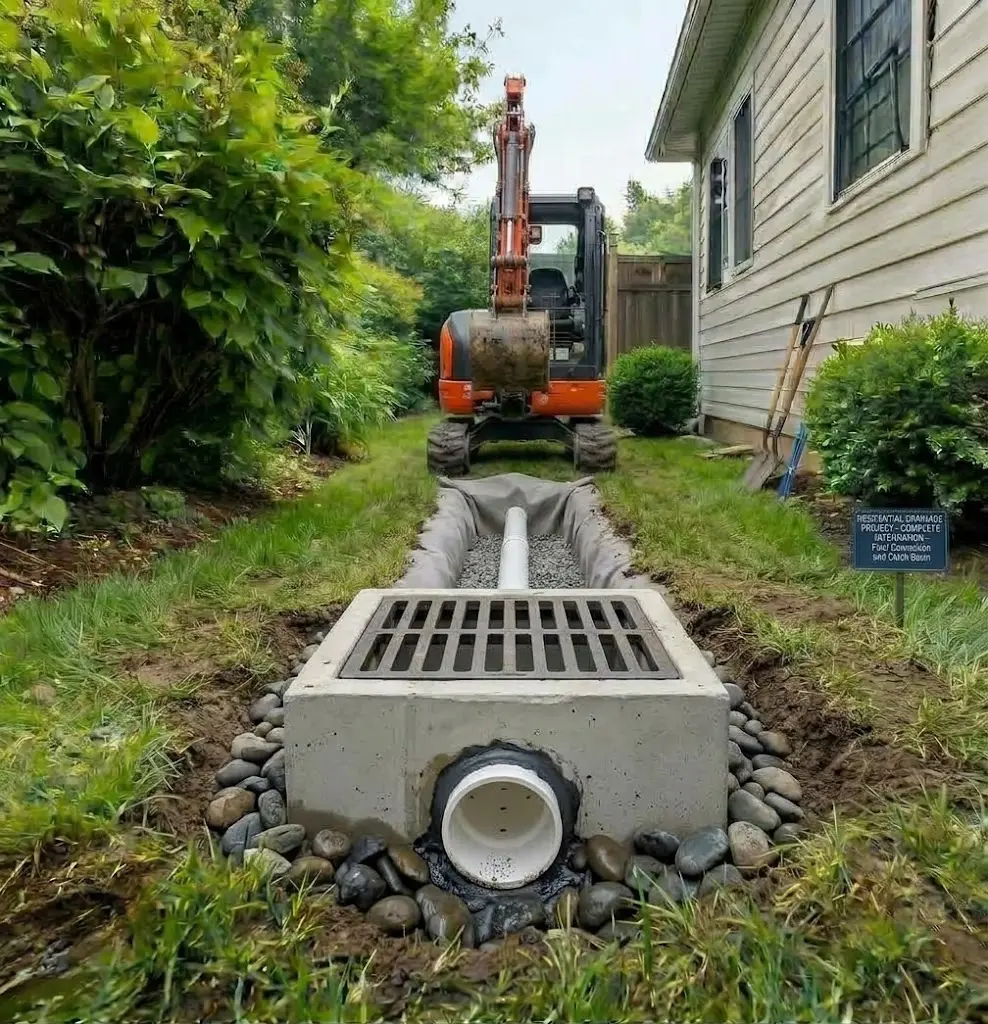
Connect the
Outlet
The collected water needs somewhere appropriate to go. The outlet depends on the property's elevations, existing drainage and site conditions.
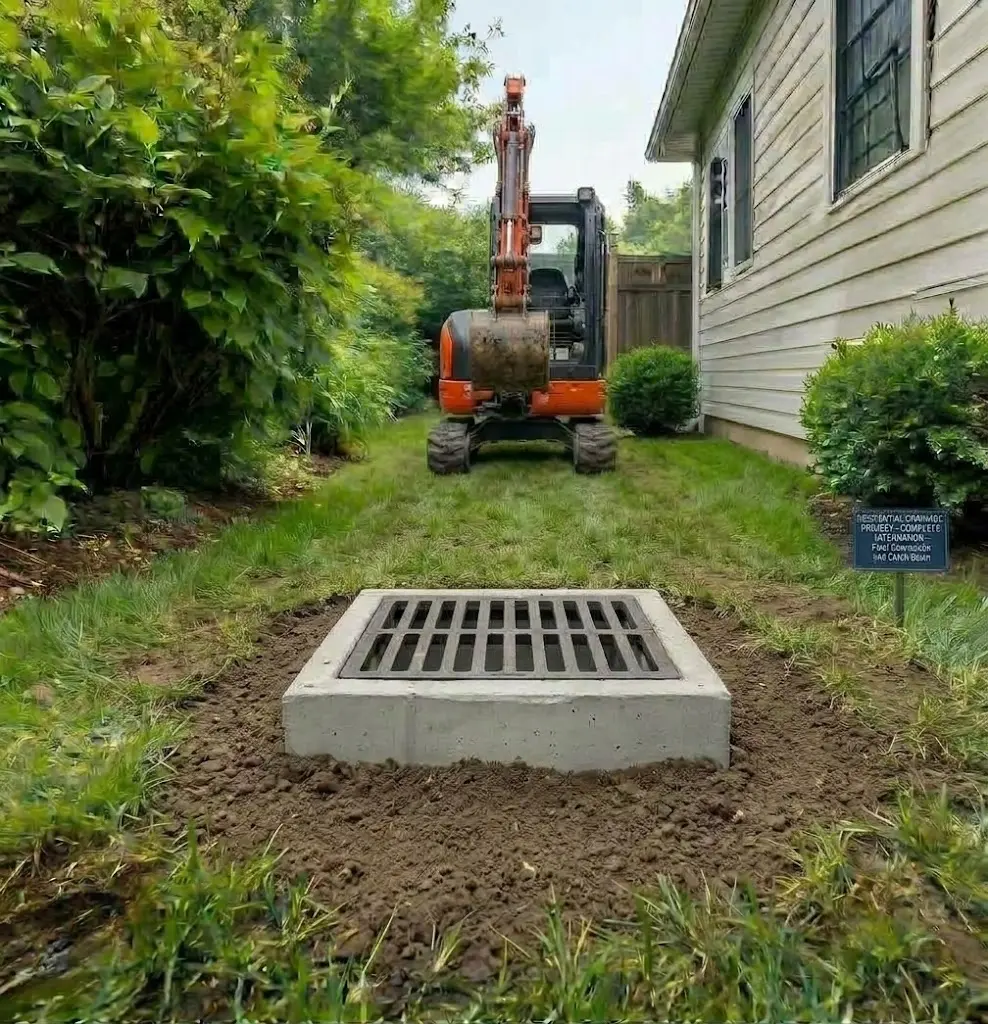
Backfill &
Restore
Once the French drain installation is complete, the excavated area can be backfilled and prepared for the appropriate surface restoration.
French Drain, Perimeter Drain, Catch Basin or Sump Pit?
Not every drainage problem should be solved with a French drain. The correct system depends on where the water is coming from, how it is collecting and where it needs to go.
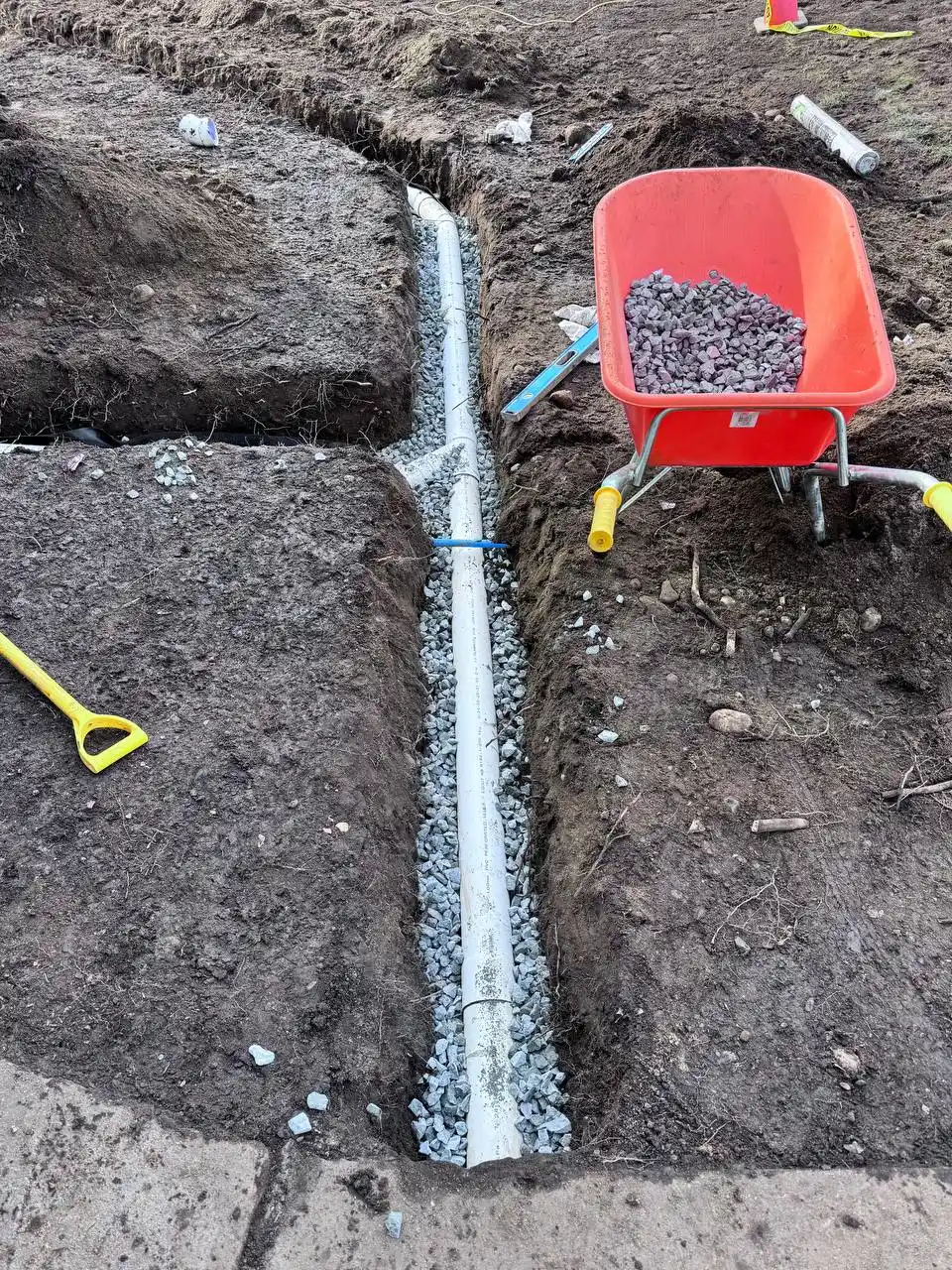
French Drain
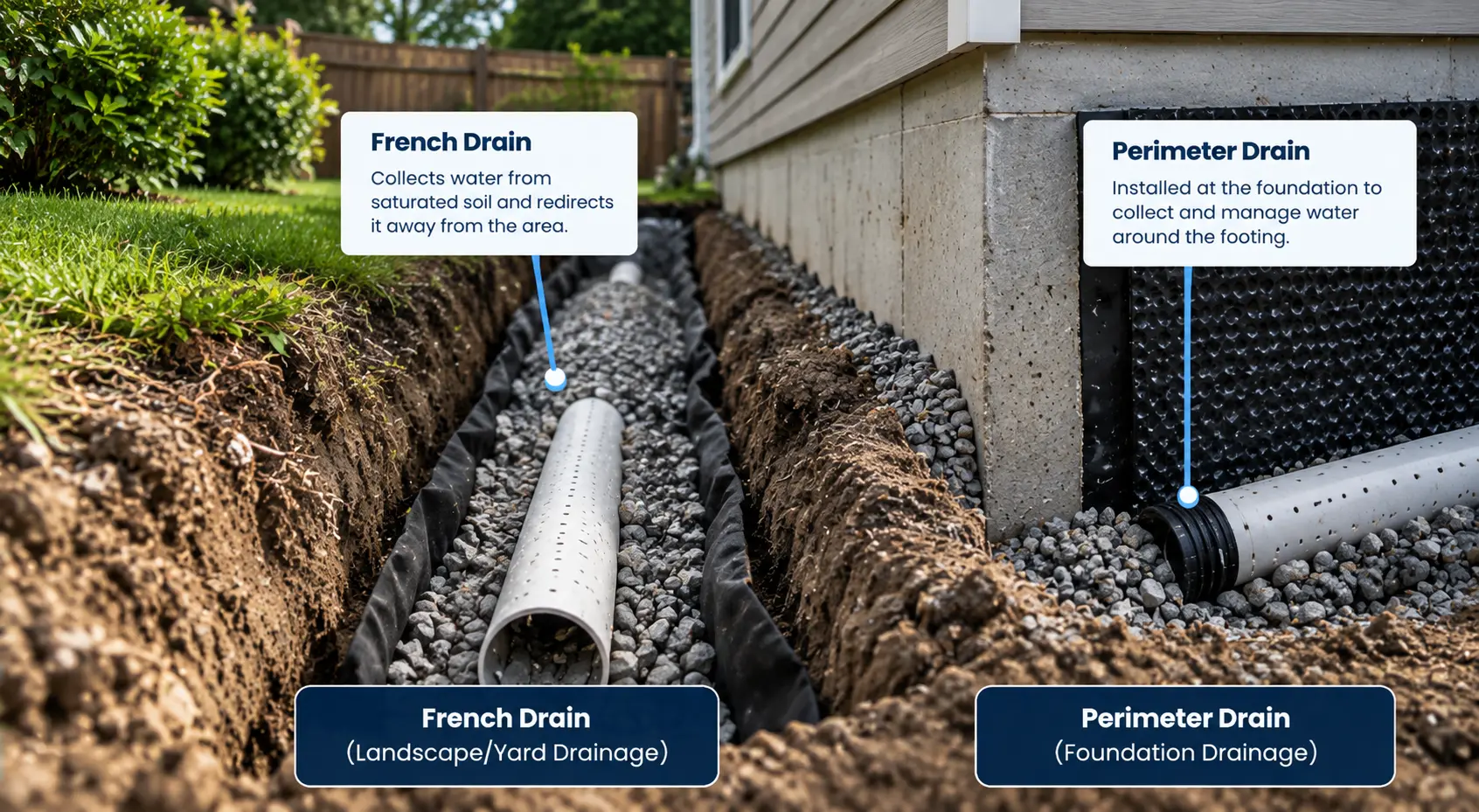
A French drain collects water moving through saturated soil and provides an underground route away from the problem area.
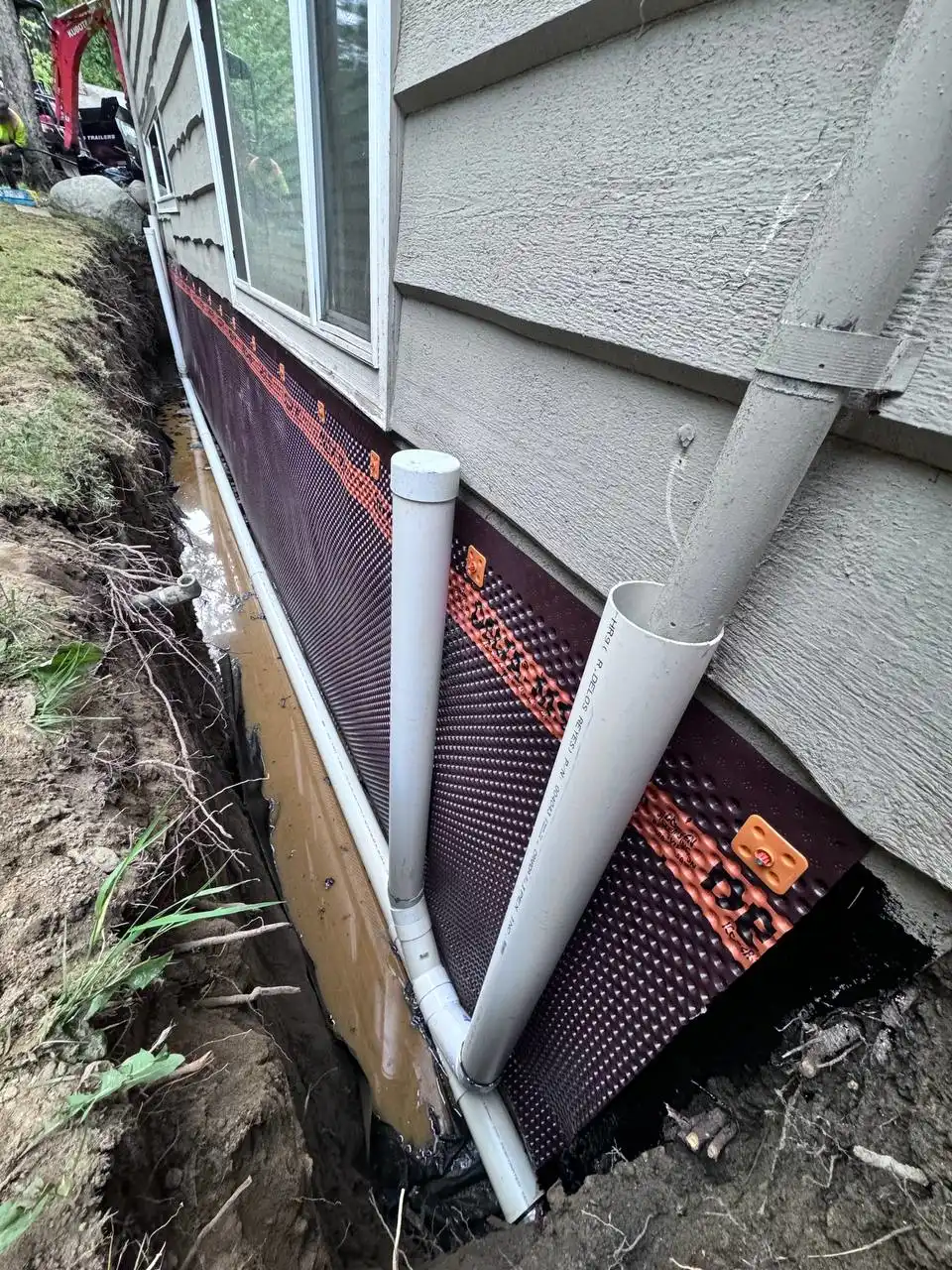
Perimeter Drain
Perimeter drainage, also called drain tile or weeping tile, is installed around a building's foundation to collect and manage water around the foundation.
Learn About Perimeter Drainage Services →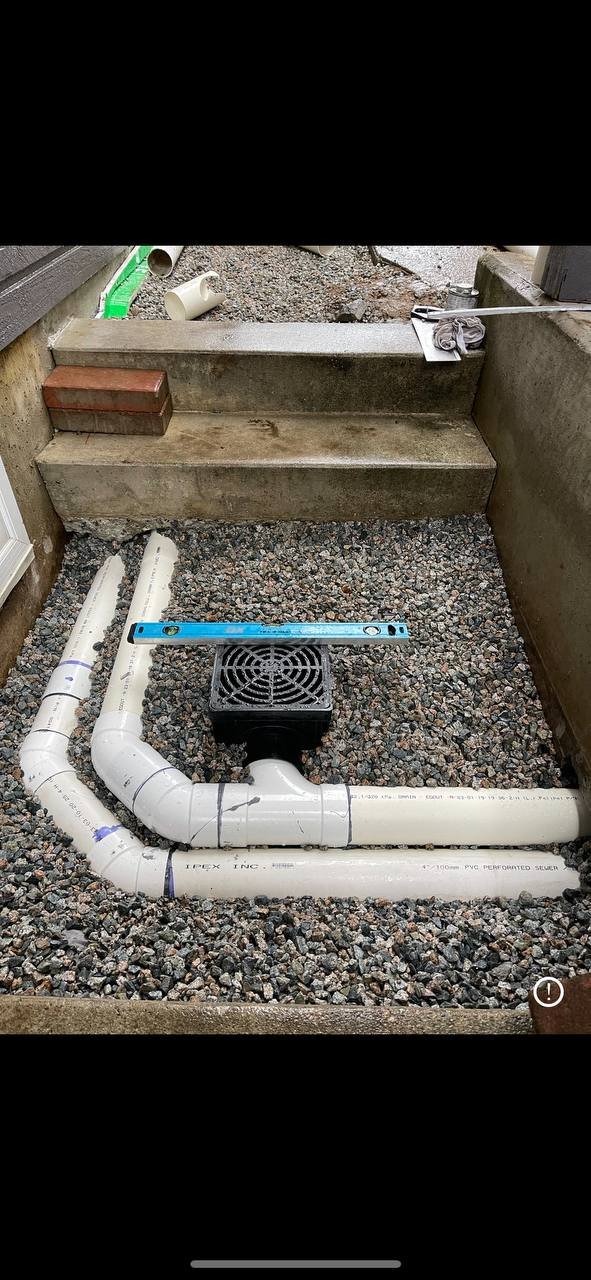
Catch Basin
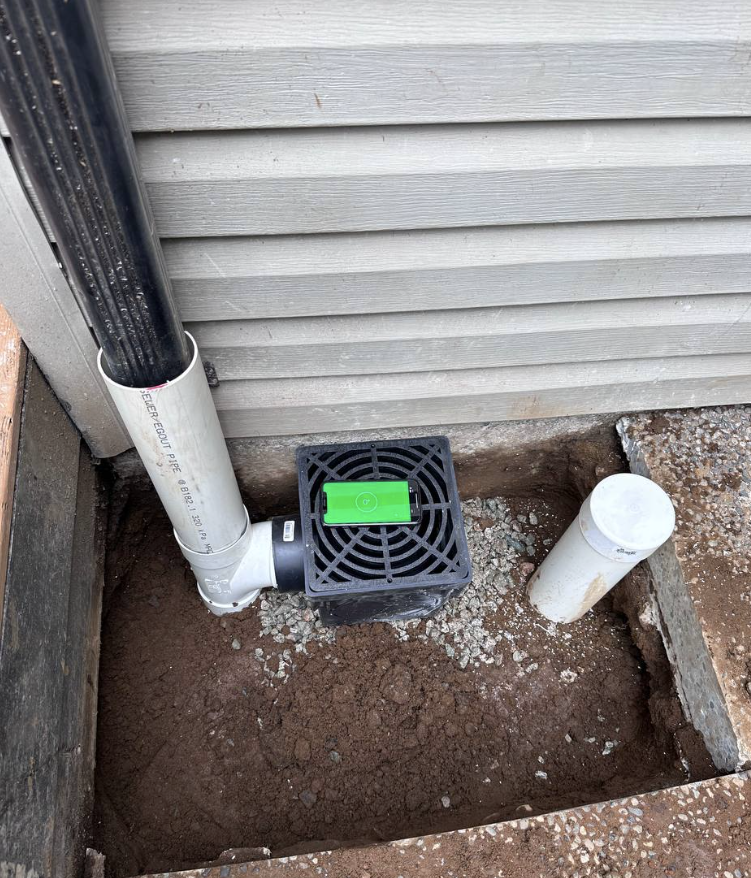
A catch basin collects surface water at a specific location, rather than collecting groundwater throughout a gravel-filled trench.
French drains and catch basins can sometimes be incorporated into the same drainage plan when a property has both surface and subsurface water problems.
Learn About Catch Basin Installation →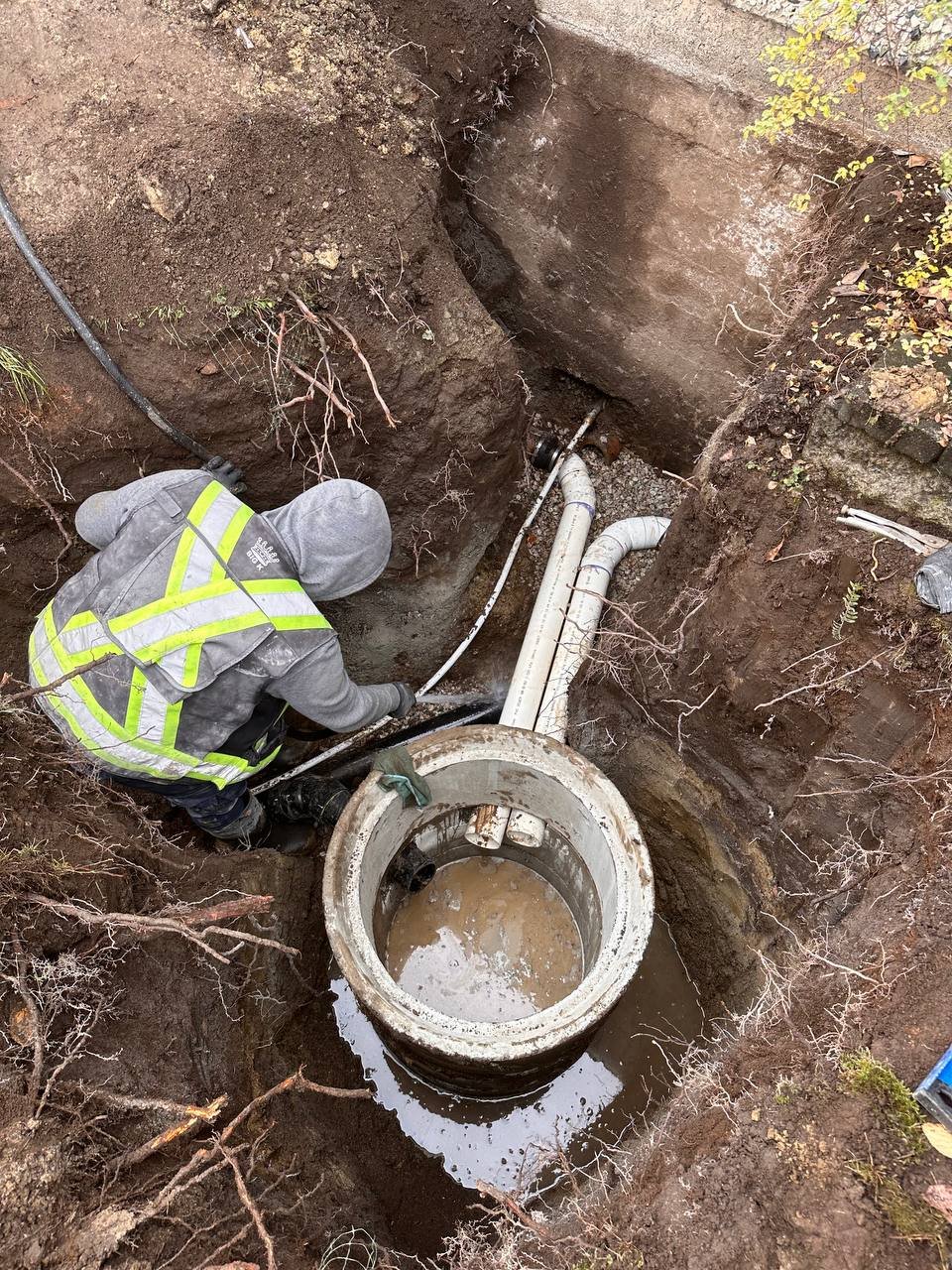
Sump Pit
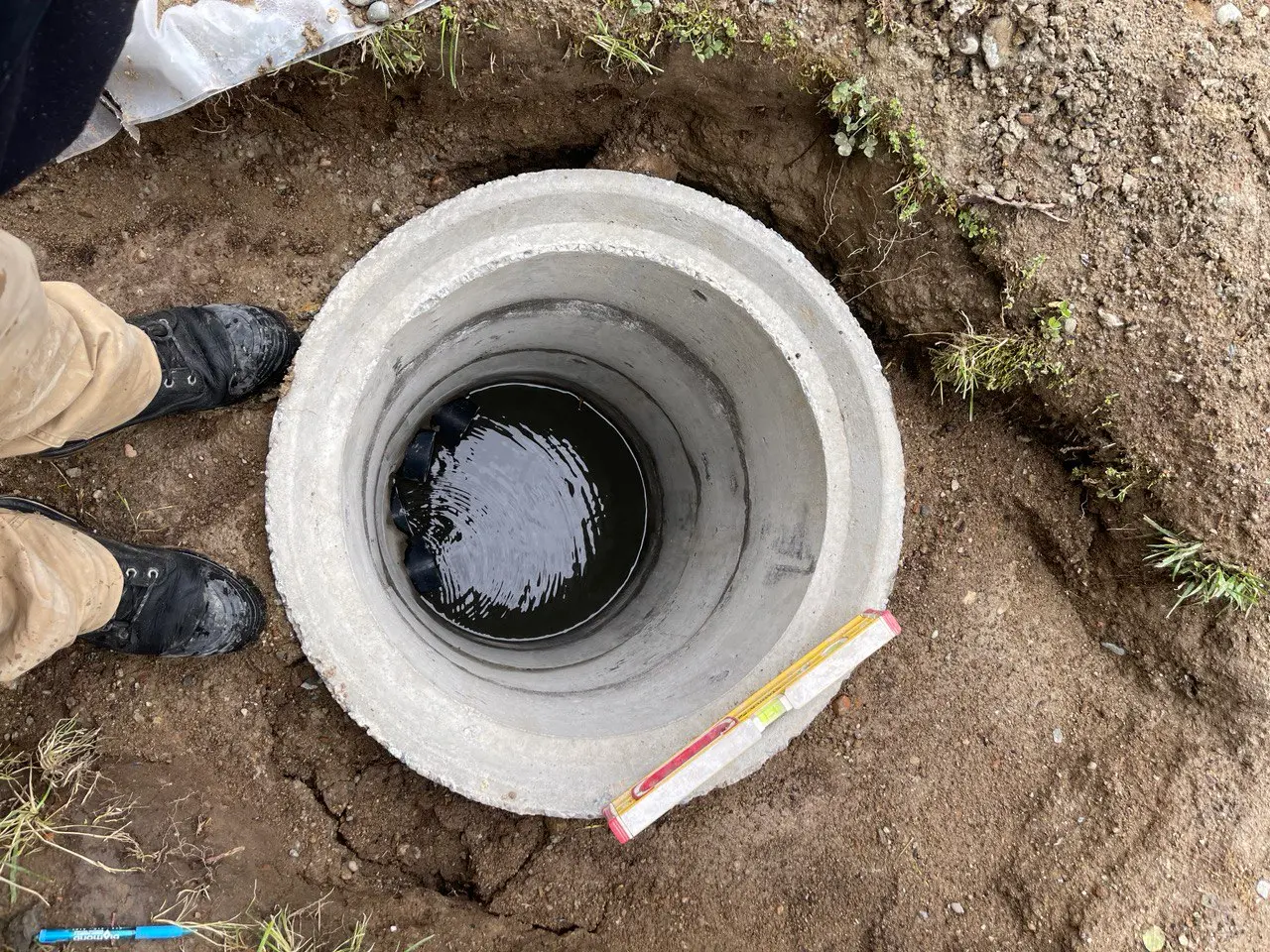
A sump pit provides a collection point for water before it is pumped or otherwise directed away through the drainage system.
Where gravity drainage is not practical, a sump system may form part of the drainage solution.
Learn About Sump Pump Installation →Can a French Drain Be Installed Around a House?
Yes, but a French drain and a foundation perimeter drain are not automatically the same thing.
A French drain may be installed outside a house to intercept water moving through saturated soil. However, if the objective is to collect water directly around the footing and foundation, the property may require a properly designed perimeter drainage system.
Before installing drainage around a house, it is important to determine whether the problem is being caused by:
Surface water flowing toward the building
Downspout drainage
Saturated soil beside the foundation
Groundwater
Clogged or damaged perimeter drainage
A combination of drainage problems
Poor grading
Water Beside a Foundation Does Not Automatically Mean You Need a French Drain
We first look at where the water is coming from and how the existing drainage around the house is working. In some situations, the correct solution may be perimeter drainage rather than a French drain.
French Drain and Catch Basin Systems
French drains and catch basins perform different jobs, but they can sometimes be used as parts of the same drainage system.
A French drain collects water moving through saturated soil, while a catch basin collects concentrated surface runoff.
For example, a property may have a low area receiving significant surface water while the surrounding soil also remains saturated. Depending on the site, the drainage design may need to address both conditions.
The correct configuration depends on property elevations, existing drainage and where the collected water can be directed.
Learn About Catch Basin Installation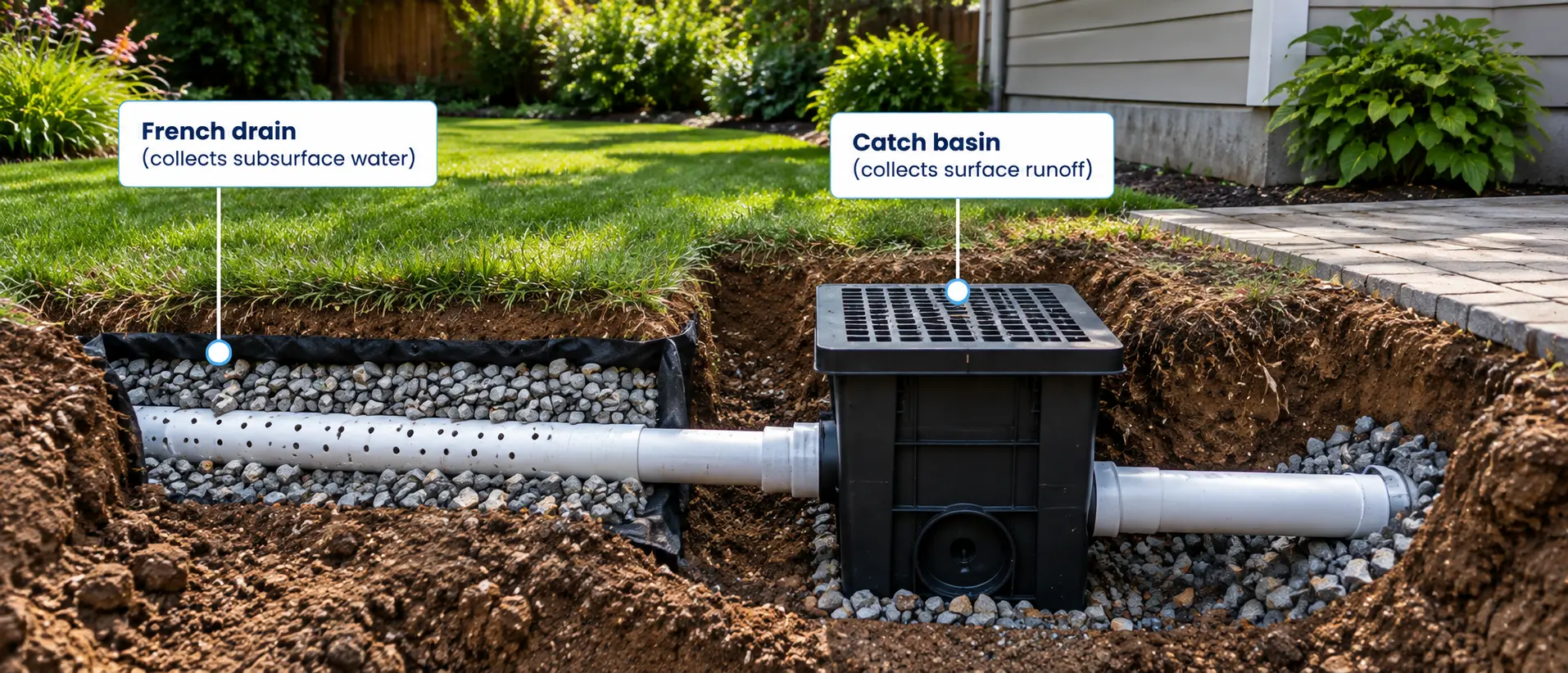
French Drain Repair
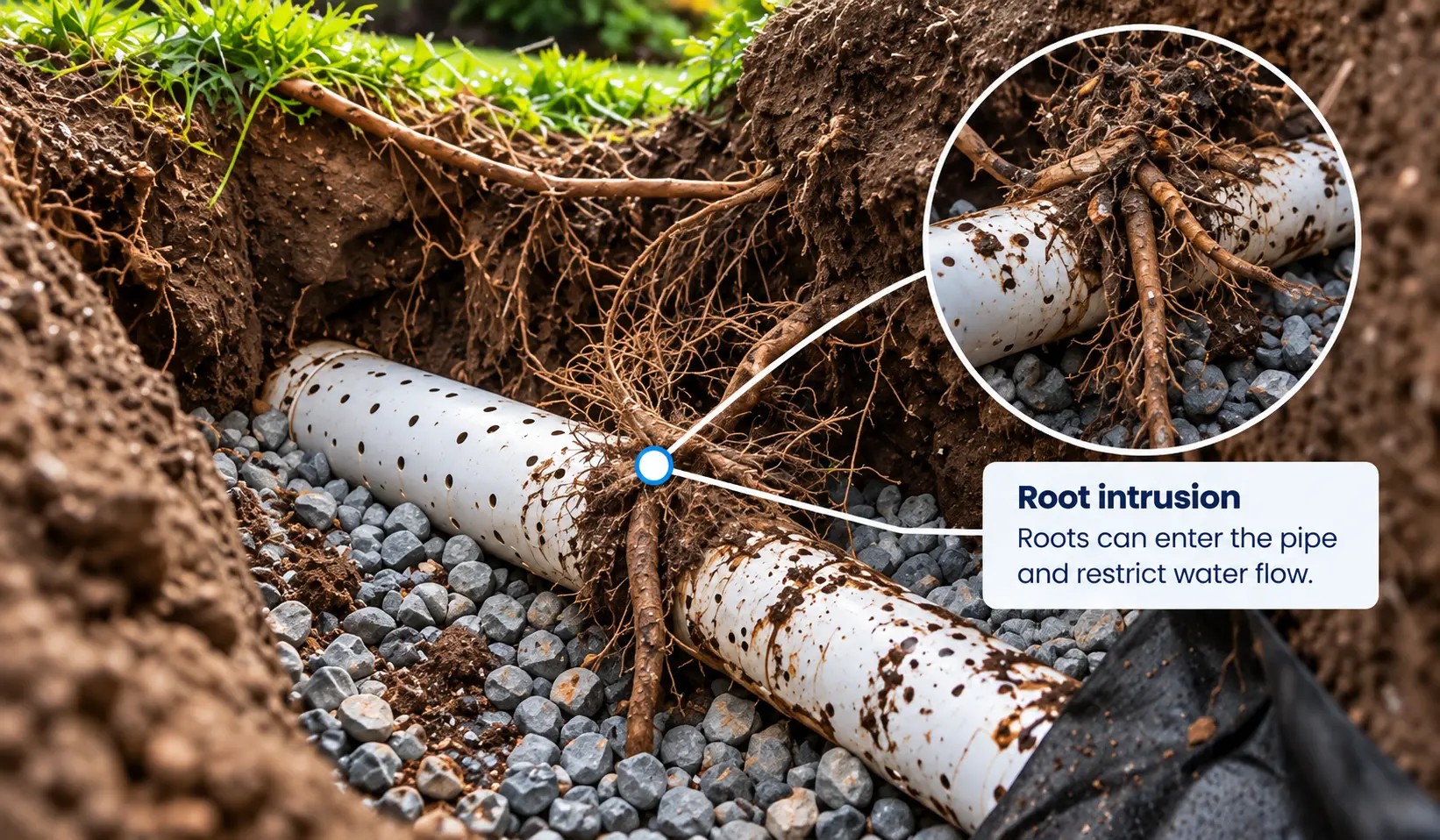
An existing French drain may stop performing properly if part of the system becomes restricted, damaged or disconnected.
Problems can include:
Sediment entering the drainage material
Blocked drainage outlets
Restricted or damaged pipe
Settlement
Root intrusion
Insufficient drainage capacity
Failed connections
Problems with the original installation
Whether an existing French drain can be repaired depends on its condition, the location of the problem and how accessible the affected section is.
When underground drainage is physically damaged, the affected area may need to be excavated so the pipe or connection can be accessed and repaired.
Repair or larger excavation?
If the pipe or connection is physically damaged, the affected section may need to be exposed before it can be repaired.
What Affects French Drain Installation Cost?
The cost of French drain installation in Vancouver depends on the excavation and drainage conditions of the property. Two similar properties can require very different amounts of work.
Length of the French Drain
Longer drainage routes require additional excavation, drainage pipe and aggregate.
Depth of Excavation
Deeper drainage can require additional excavation and labour.
Property Access
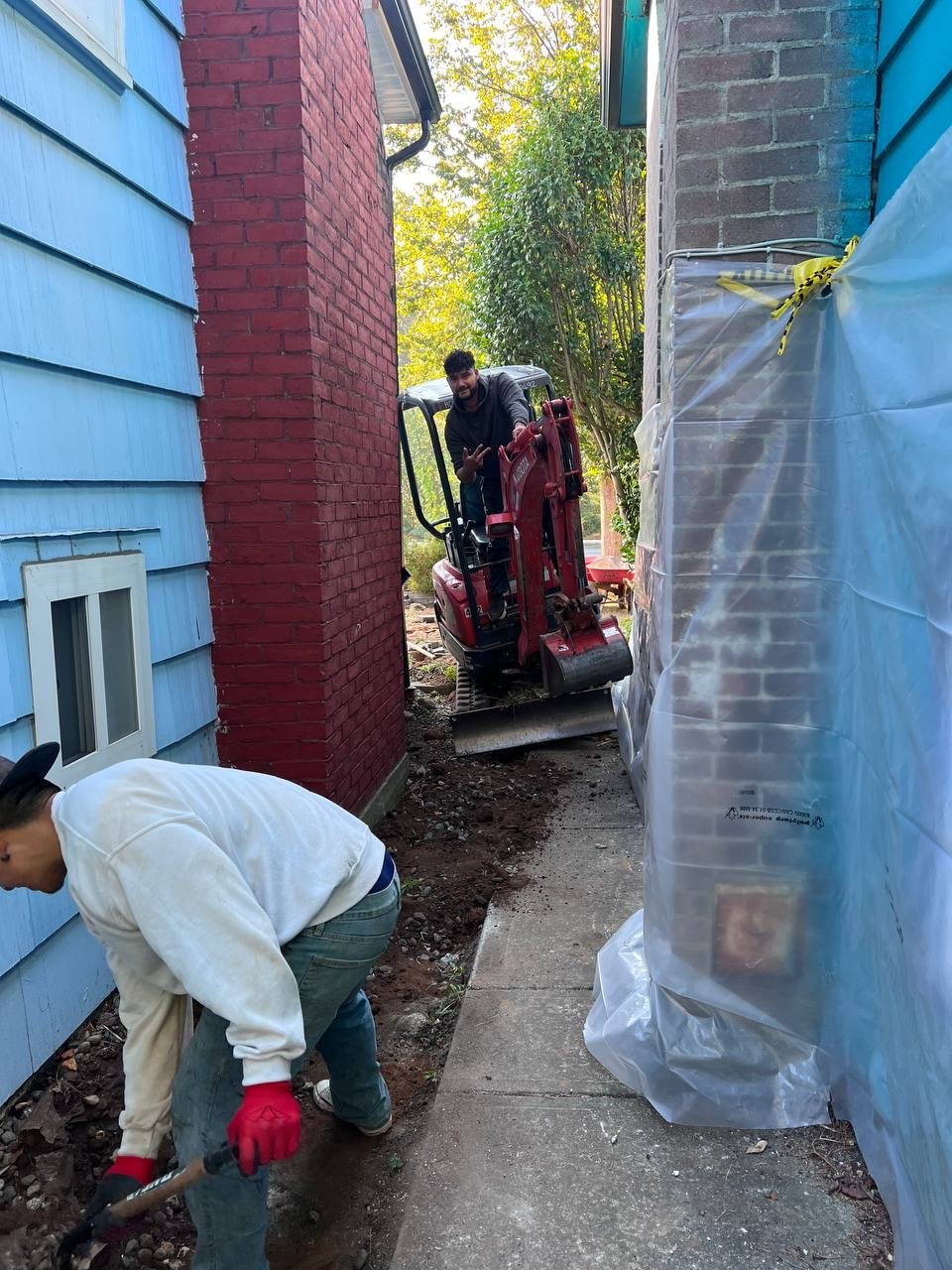
Open areas with equipment access are different from narrow side yards or restricted areas requiring a different approach.
Soil Conditions
Soil type, groundwater and existing ground conditions can affect excavation and installation.
Existing Surfaces
Lawns, gardens, retaining features, patios, walkways and concrete can affect access and restoration.
Drainage Outlet
Determining where the collected water can appropriately be directed is an important part of designing the system.
Additional Drainage Components
Some properties may also require a catch basin, sump system or connection to other drainage infrastructure.
French Drain Installation for Homes, Strata & Commercial Properties
We install exterior French drainage systems throughout Greater Vancouver for residential, strata and commercial properties.
Residential French Drain Installation
French drainage for wet yards, landscaping, areas beside homes and other recurring groundwater problems on residential properties.
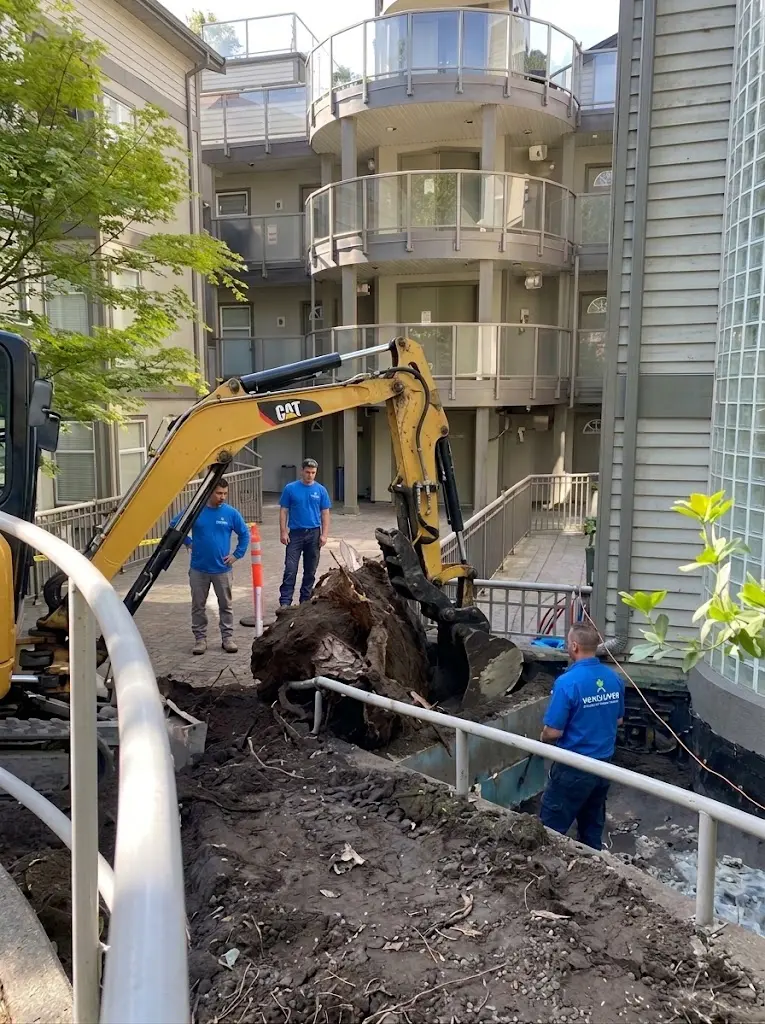
Strata French Drain Installation
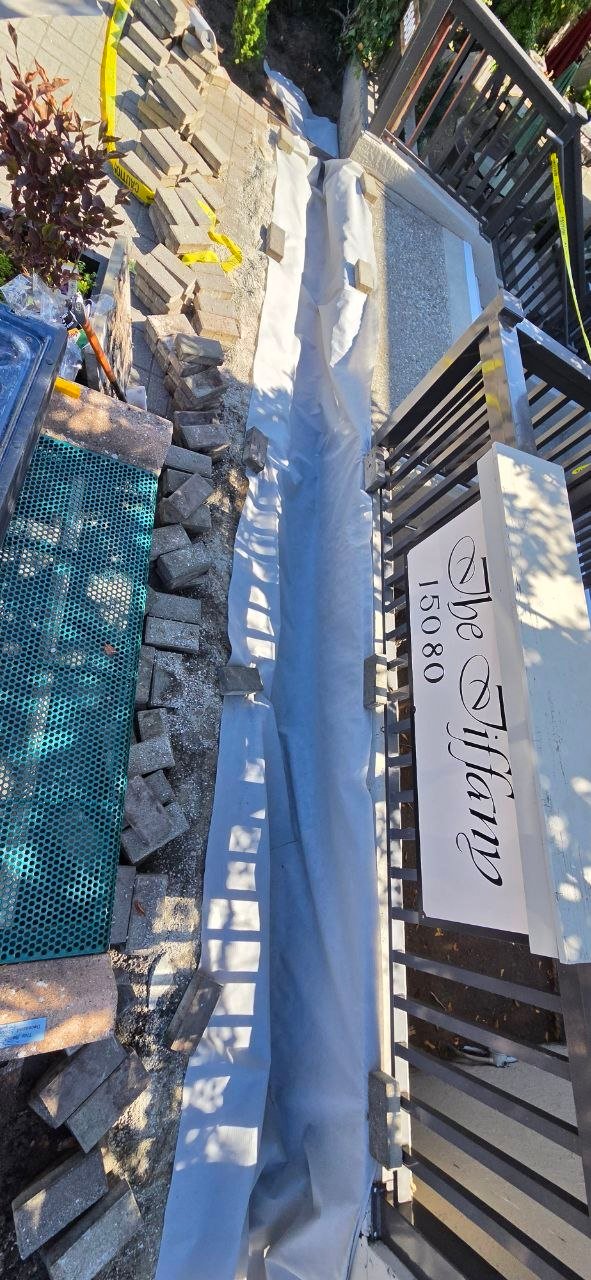
French drain systems for common property, landscaped areas and recurring drainage problems around multi-unit developments.
Commercial French Drain Installation
Underground drainage for commercial properties where groundwater or saturated soil is affecting exterior areas.
Ricardo Quintana —
20+ Years Experience
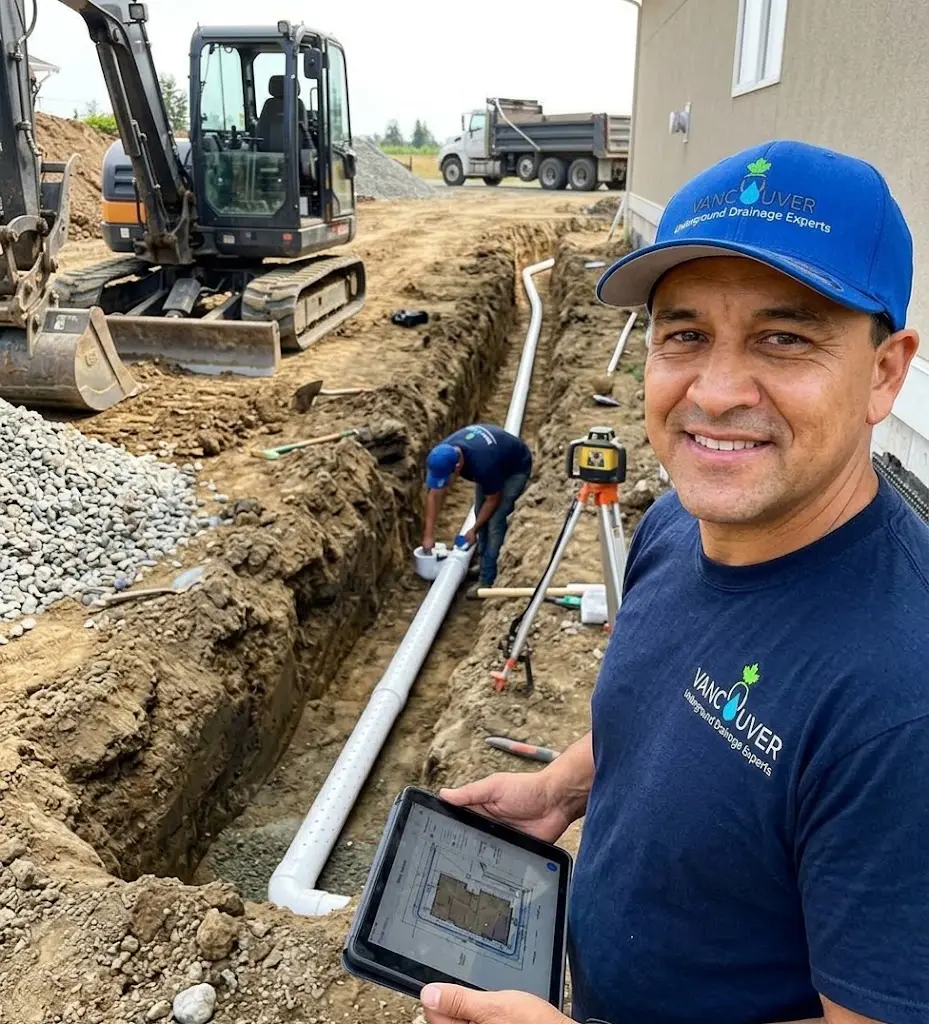
Ricardo has more than 20 years of experience working on larger drainage, excavation and landscaping projects throughout Greater Vancouver.
For French drain installations requiring more substantial excavation, he works with a crew and the equipment needed to handle larger drainage scopes.
Every project is assessed based on the site conditions, access, excavation requirements and the underground drainage work involved.
Crew
Drainage Projects
Equipment
Greater Vancouver
Underground Drainage Experience Matters
Installing a French drain involves more than excavating a trench and placing pipe underground. The important part is understanding why the area is wet, what type of water needs to be managed and where that water can be directed.
Underground Drainage Focus
French drains · Perimeter drains · Drain tile · Catch basins · Sump systems
Diagnose Before Digging
We assess the drainage problem and site conditions before determining where excavation should take place.
The Right Drainage System for the Problem
If a French drain is not the appropriate solution, the property may require perimeter drainage, a catch basin or a sump system instead.
Larger Excavation Capability
Equipment and crew are available when a French drain or related drainage project requires more substantial excavation.
Since 2019
French Drain Installation Throughout Greater Vancouver
We install French drain systems for residential, strata and commercial properties throughout Greater Vancouver.
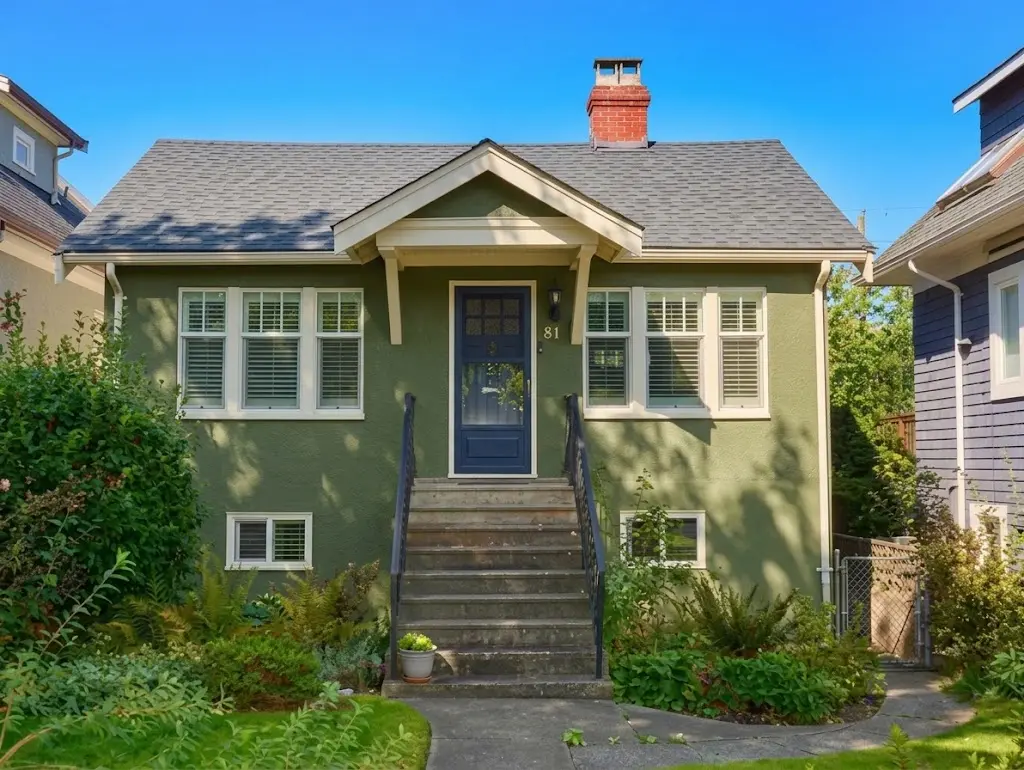
Homes
French drain installation for wet yards, landscaping and drainage problems around residential properties.
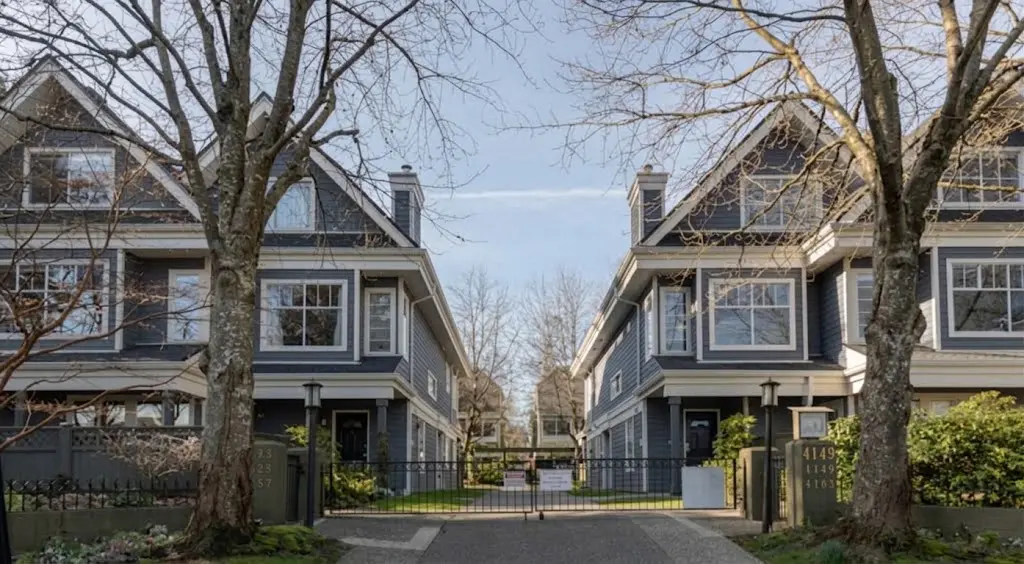
Strata Properties
Drainage systems for common areas, landscaped spaces and multi-unit developments.
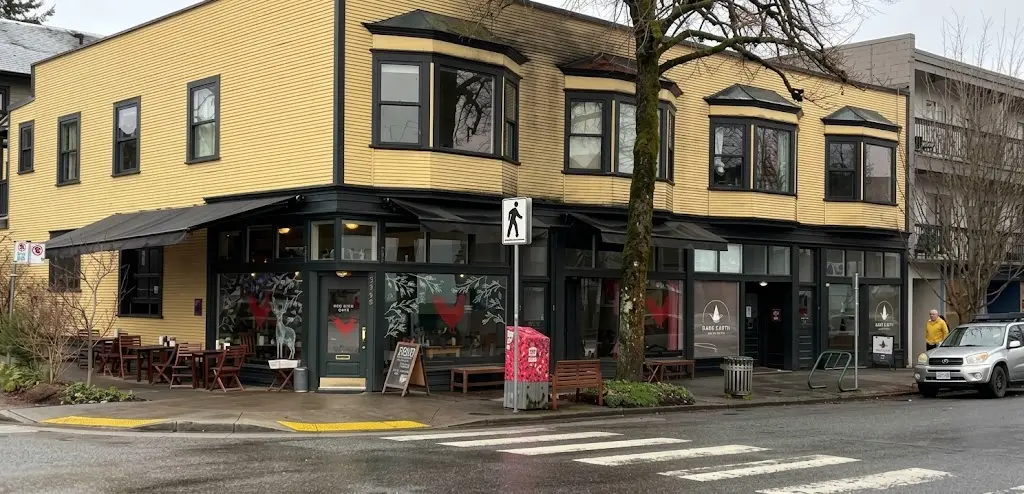
Commercial Properties
French drainage for commercial exterior areas affected by groundwater or saturated soil.