Repair Today. Protect Tomorrow.

Perimeter Drain
Repair Vancouver

When a perimeter drainage system begins to fail, the right solution depends on what has failed, where the problem is located and the condition of the remaining drainage system.

Vancouver Underground Drainage Experts provides perimeter drain repair in Vancouver and throughout Greater Vancouver for homes, strata properties and commercial buildings. We repair damaged sections of drain tile and provide partial or complete perimeter drain replacement when the existing system is no longer practical to repair.

Whenever possible, we first determine where the drainage problem is occurring. If the failure is isolated, a localized repair may be enough. If the system has widespread deterioration, we can explain the options for partial or complete replacement.
Perimeter Drain Repair • Drain Tile Repair • Partial Replacement • Full Replacement
Serving Greater Vancouver Since 2019 WorkSafeBC Covered $2M Liability Insurance
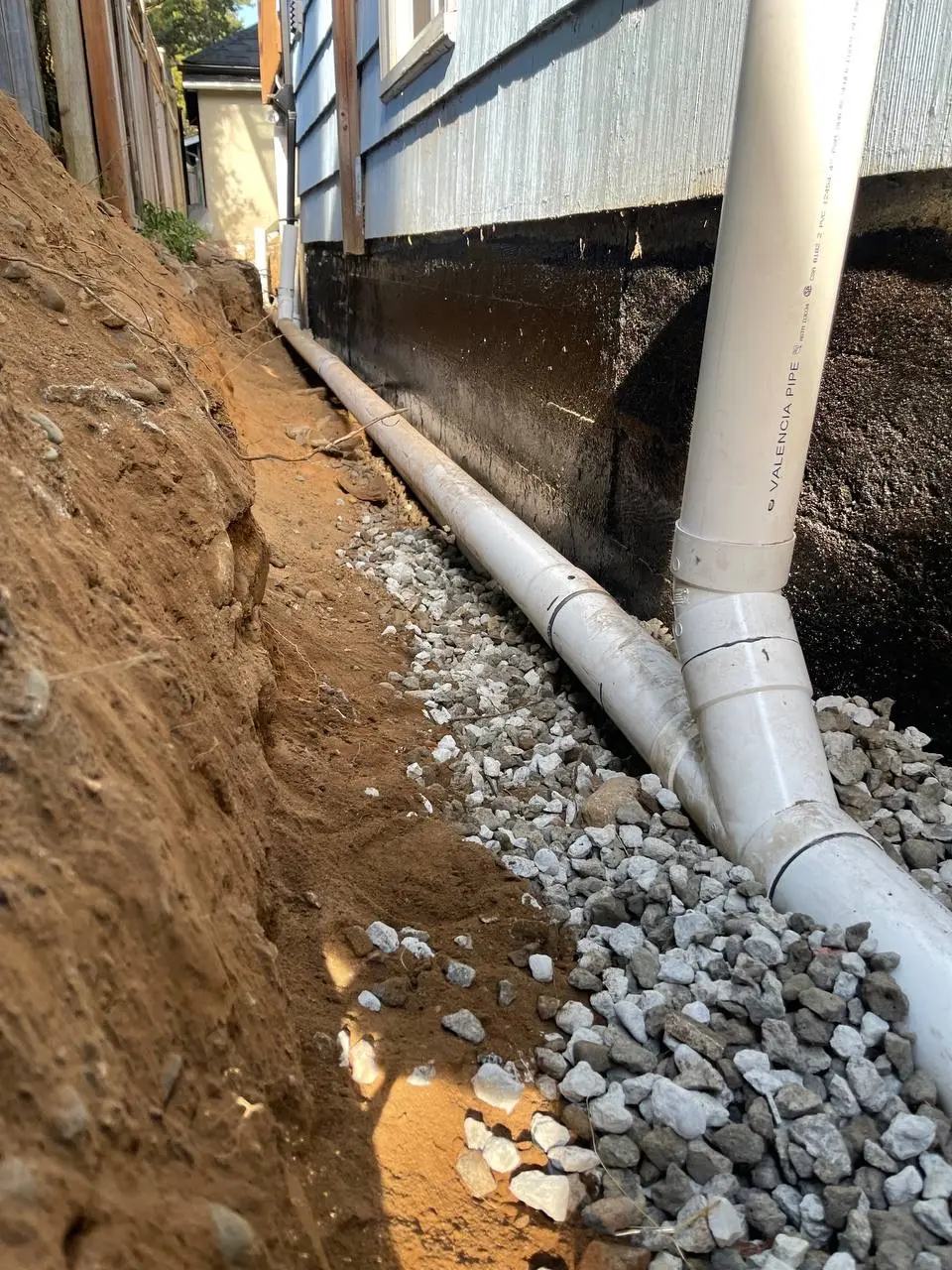
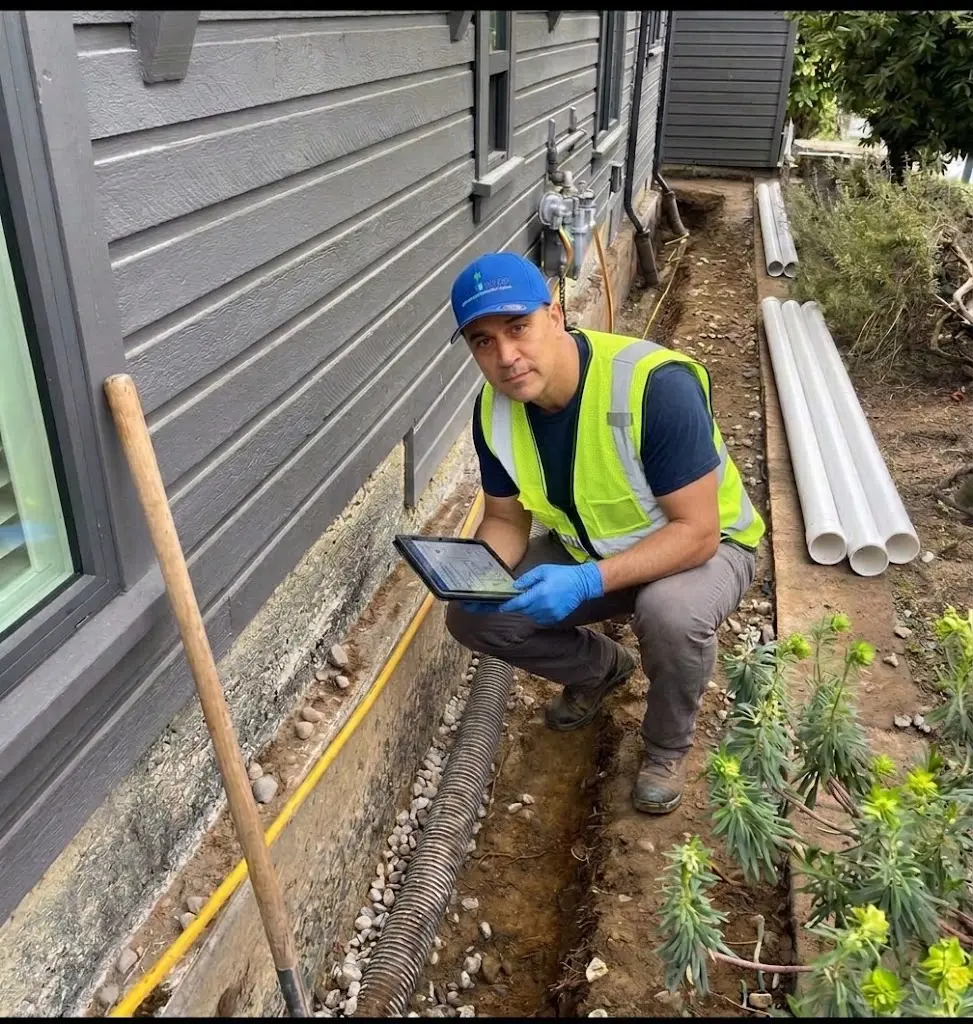
Perimeter drain repair service beside a foundation in Vancouver
Repair the failed section. Replace more only when the system condition requires it.
Businesses & Property Managers

Companies & Property Managers Who Have Trusted Us

Our team has completed drainage, excavation, waterproofing and related work for property managers, businesses, strata properties and organizations throughout Greater Vancouver.


UBC
Vancity Slingshot
Rancho Management
Fort Park Property Management
REMI Real Estate Management
North Style Homes
FirstService Residential
EasyPark Vancouver
Coterra Construction
Construction company client
Associa British Columbia
Garden City Plaza
Serving Greater Vancouver Since 2019
WorkSafeBC Covered
$2 Million Liability Insurance
Know the Signs

Signs Your Perimeter Drain
May Need Repair

Perimeter drainage is buried beside the foundation, so a damaged system is not always obvious from the surface. Problems may first appear as water or moisture around the building.

Signs that should be investigated can include:

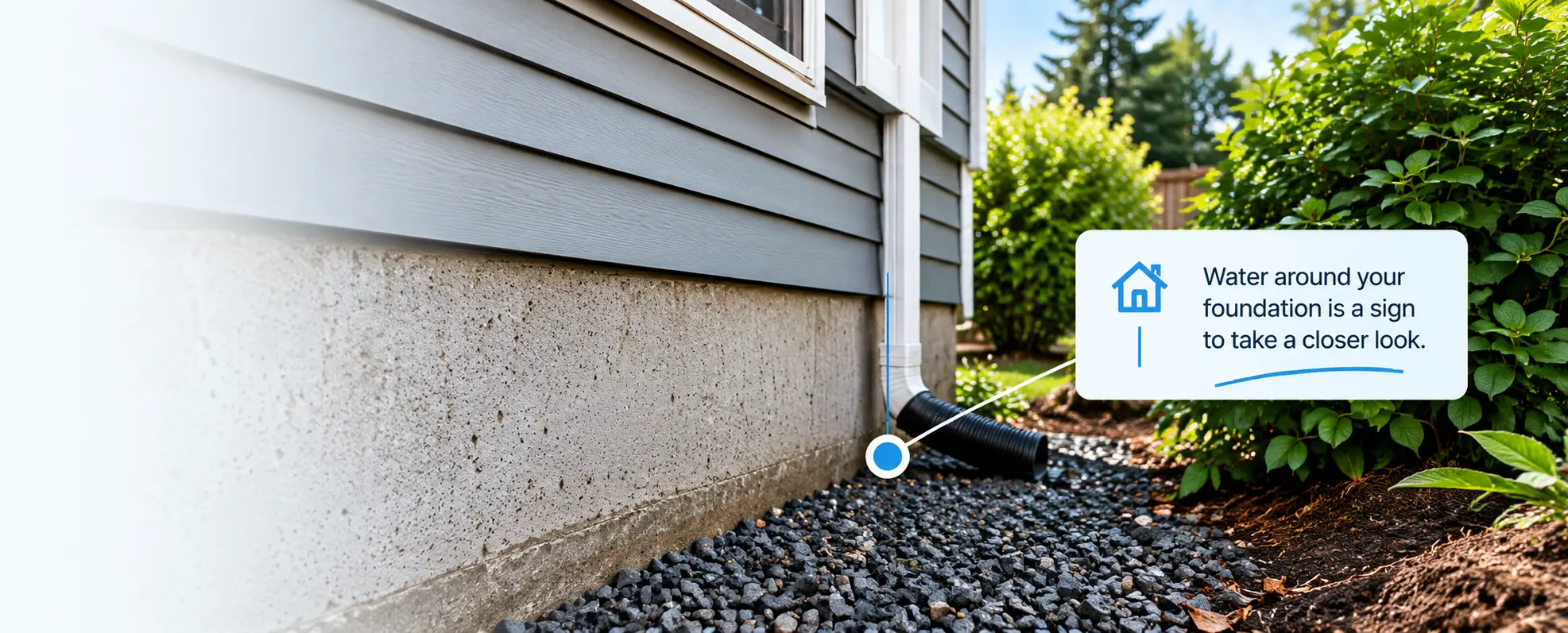
Water around a foundation indicating a possible perimeter drainage problem
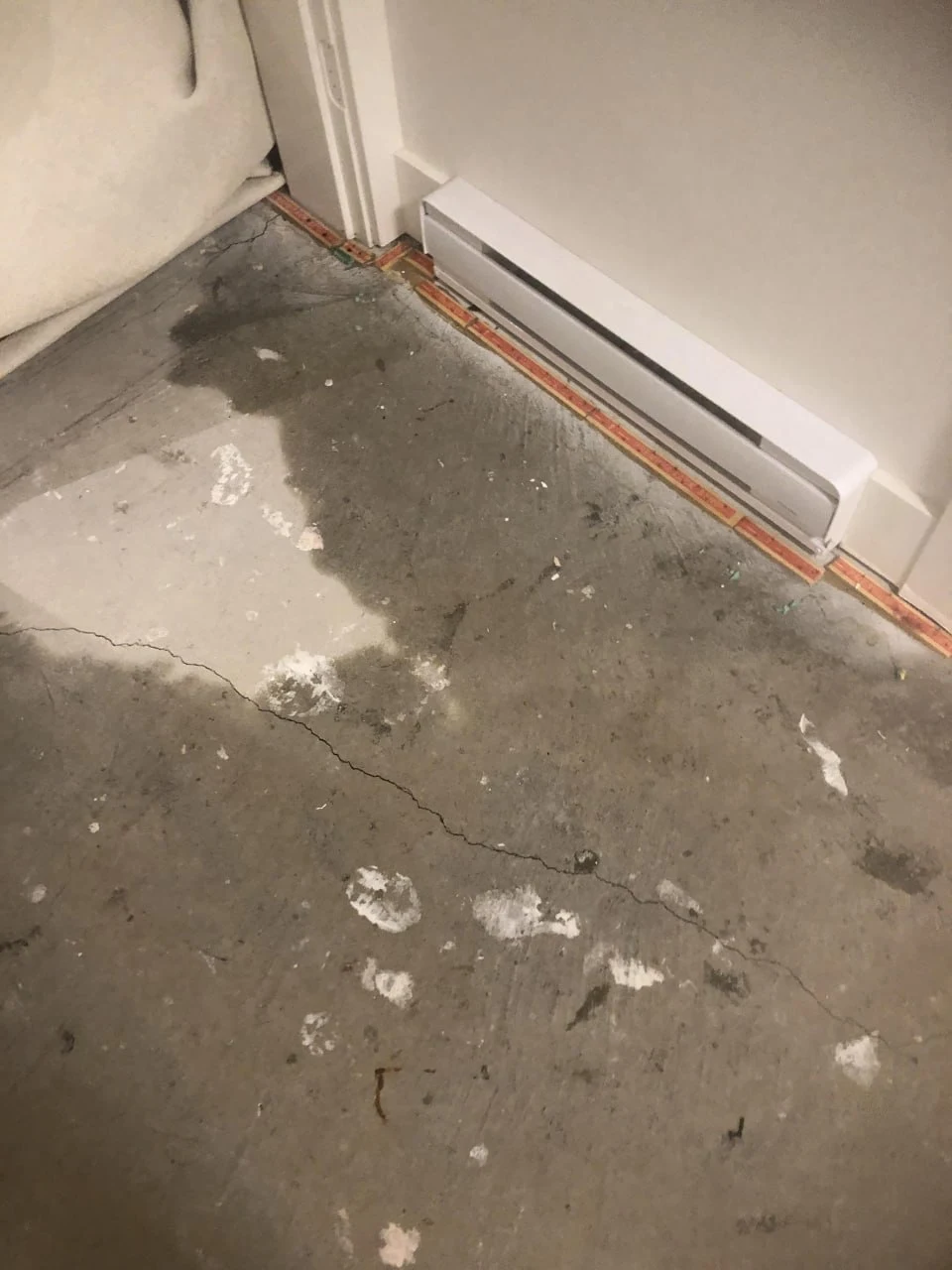
Water entering a basement

Water Entering
the Basement

Water appearing along basement walls or floors during periods of heavy rain may indicate that water is accumulating around the foundation.

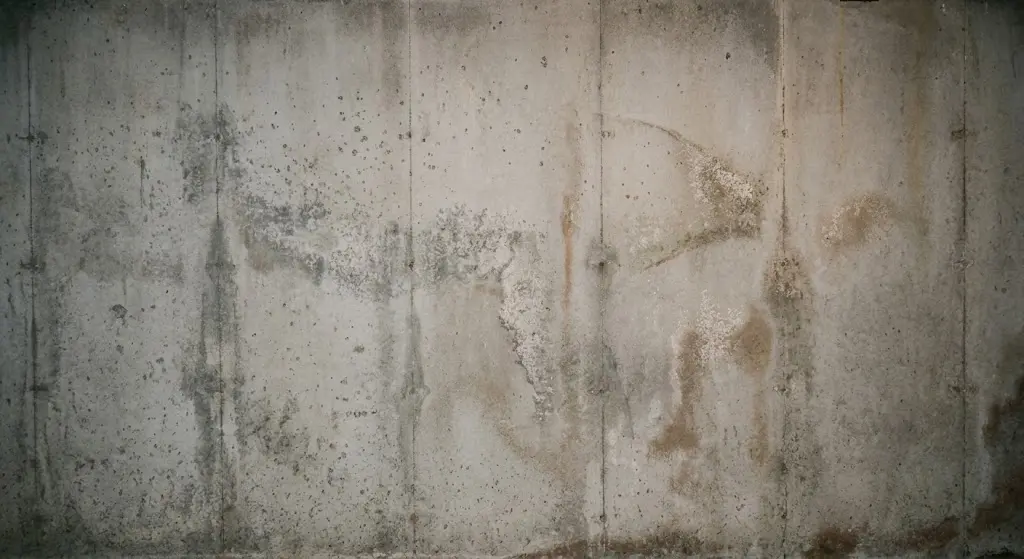
Damp basement foundation wall

Damp Foundation
Walls

Recurring dampness or moisture along below-grade foundation walls can be a sign that surrounding water is not draining as expected.

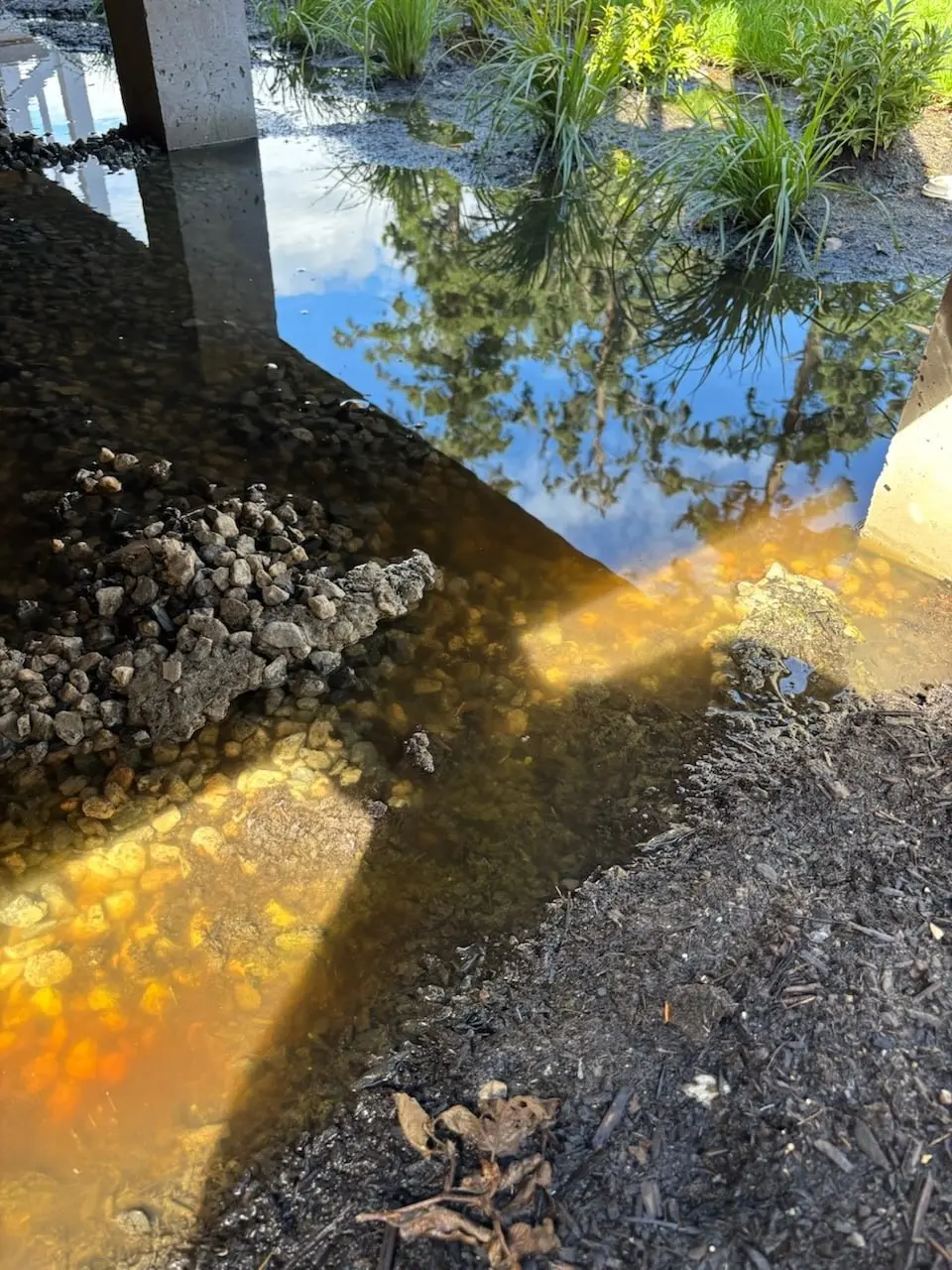
Water pooling near a foundation

Water Pooling
Near the Foundation

Water that repeatedly collects beside the building may indicate a drainage problem that needs further investigation.

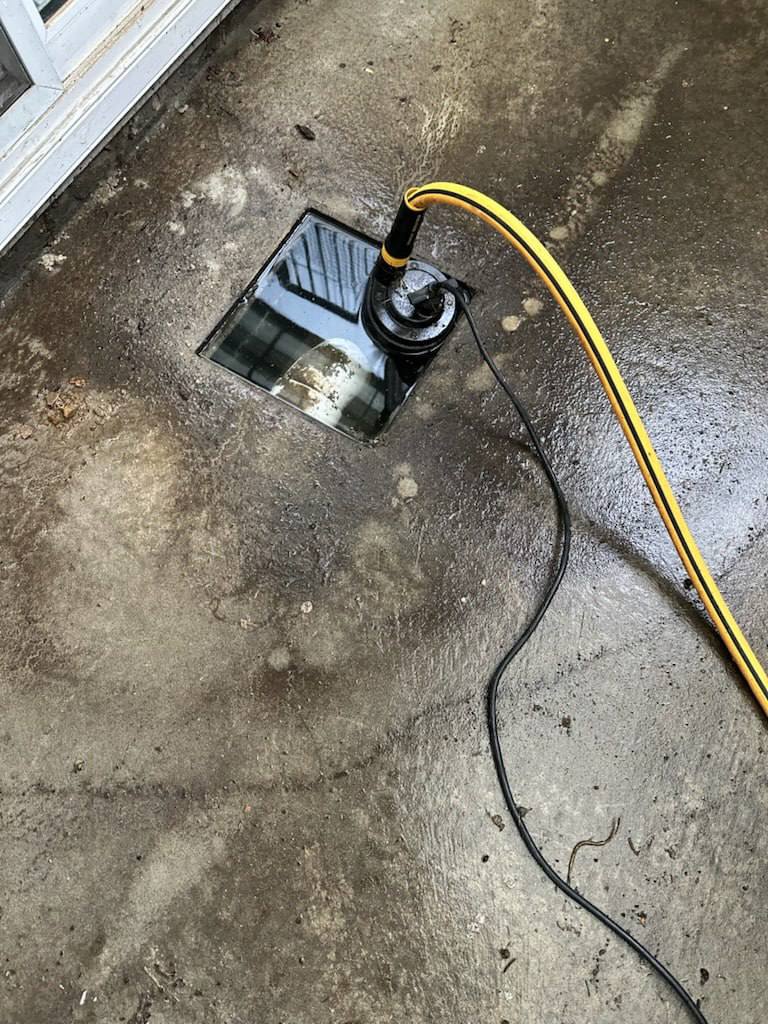
Drainage system requiring recurring service

Recurring Drainage
Problems

A line that repeatedly develops drainage problems after cleaning may have an underlying pipe failure rather than simply another blockage.

Poor flow through a drainage system

Poor Flow Through
the Drain Tile

If accessible sections of the perimeter drainage system are not flowing properly, further inspection can help determine whether the problem is a blockage or physical damage to the pipe.

Diagnose First

Finding the Problem
Before We Dig

Excavating around a foundation can be disruptive and expensive. The first goal is to understand where the problem is and how extensive it appears to be.

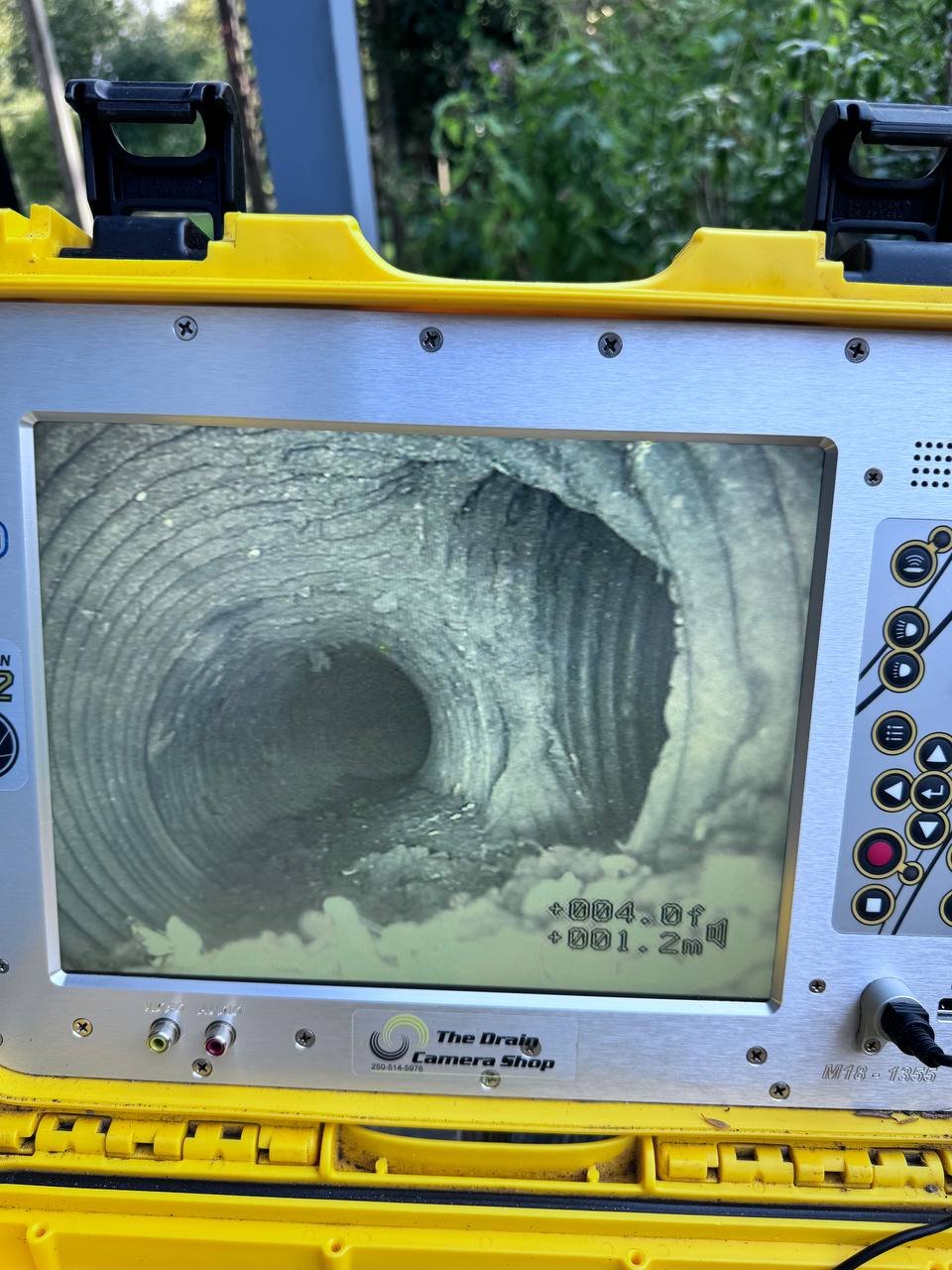
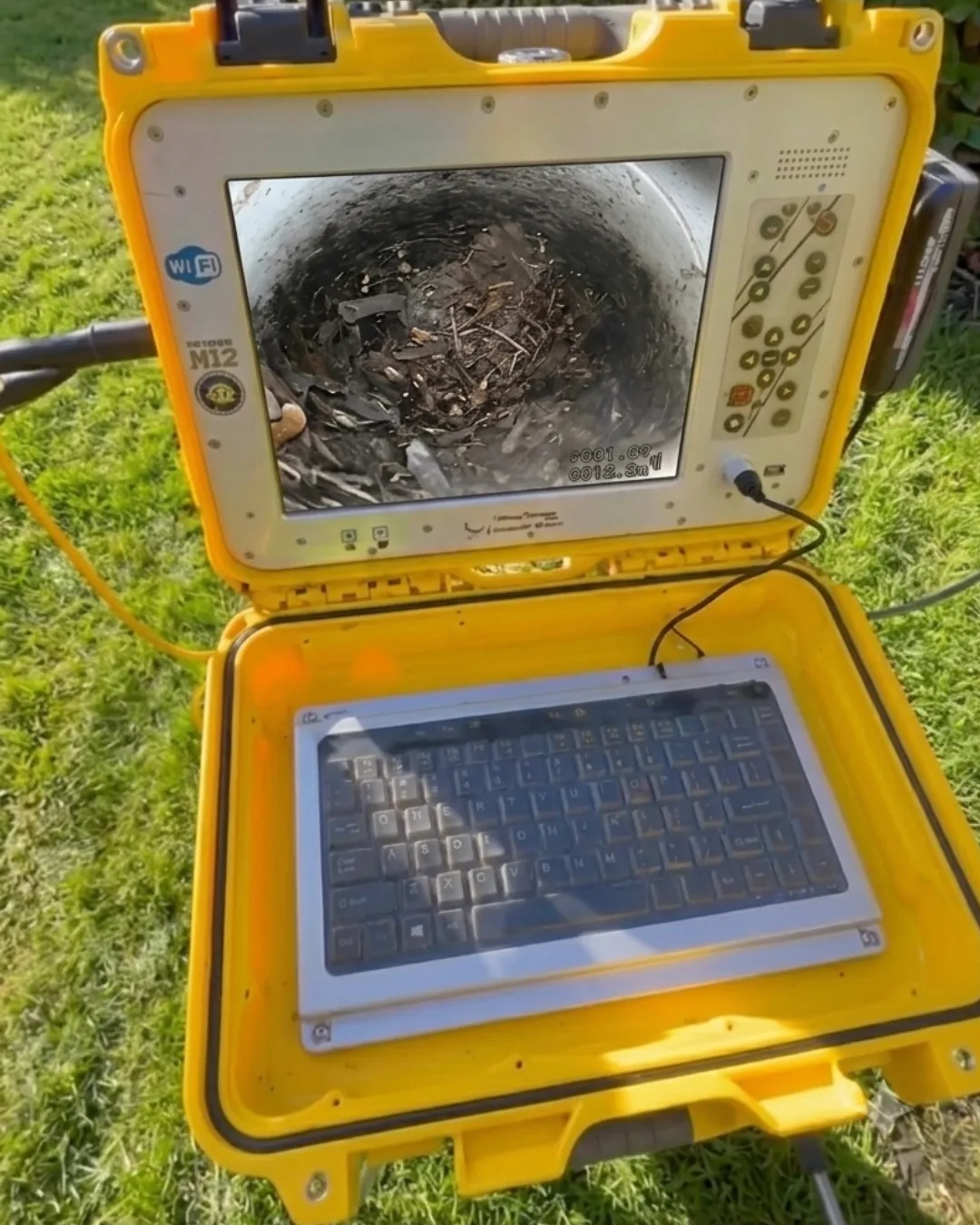
When the existing perimeter drain is accessible, a drain camera inspection can help identify conditions inside the line such as damaged pipe, separated sections, roots, sediment or areas where the camera cannot continue.

Not every drainage problem can be completely diagnosed with a camera. Sometimes the actual condition becomes clear only after the problem area has been excavated.

We use the available information to determine the appropriate next step rather than assuming that every drainage problem requires excavating around the entire building.

Drain camera inspection used to investigate a perimeter drainage line
See what's happening underground.
Inspect Check the line
when accessible
Locate Identify the
problem area
Explain Review findings
and options
Repair Complete the
right solution
Common Causes

What Can Damage a Perimeter Drain?

There are several reasons an existing perimeter drainage system can stop functioning properly. Some problems can be found with a camera inspection, while others become clear only after the drainage system is exposed.

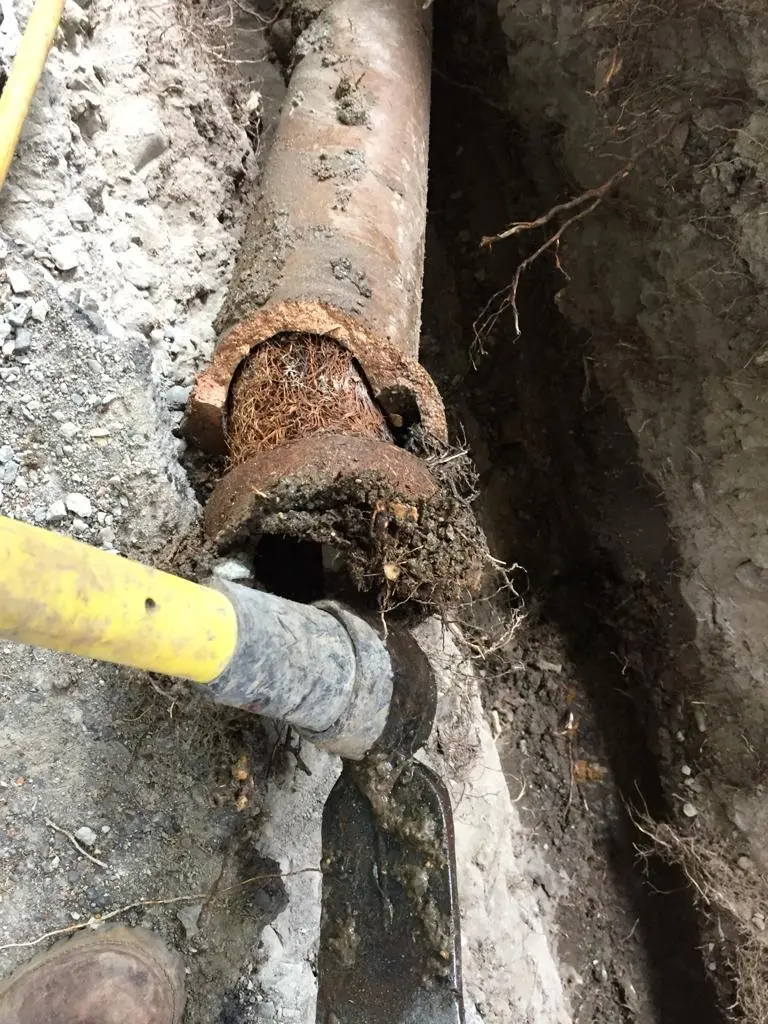
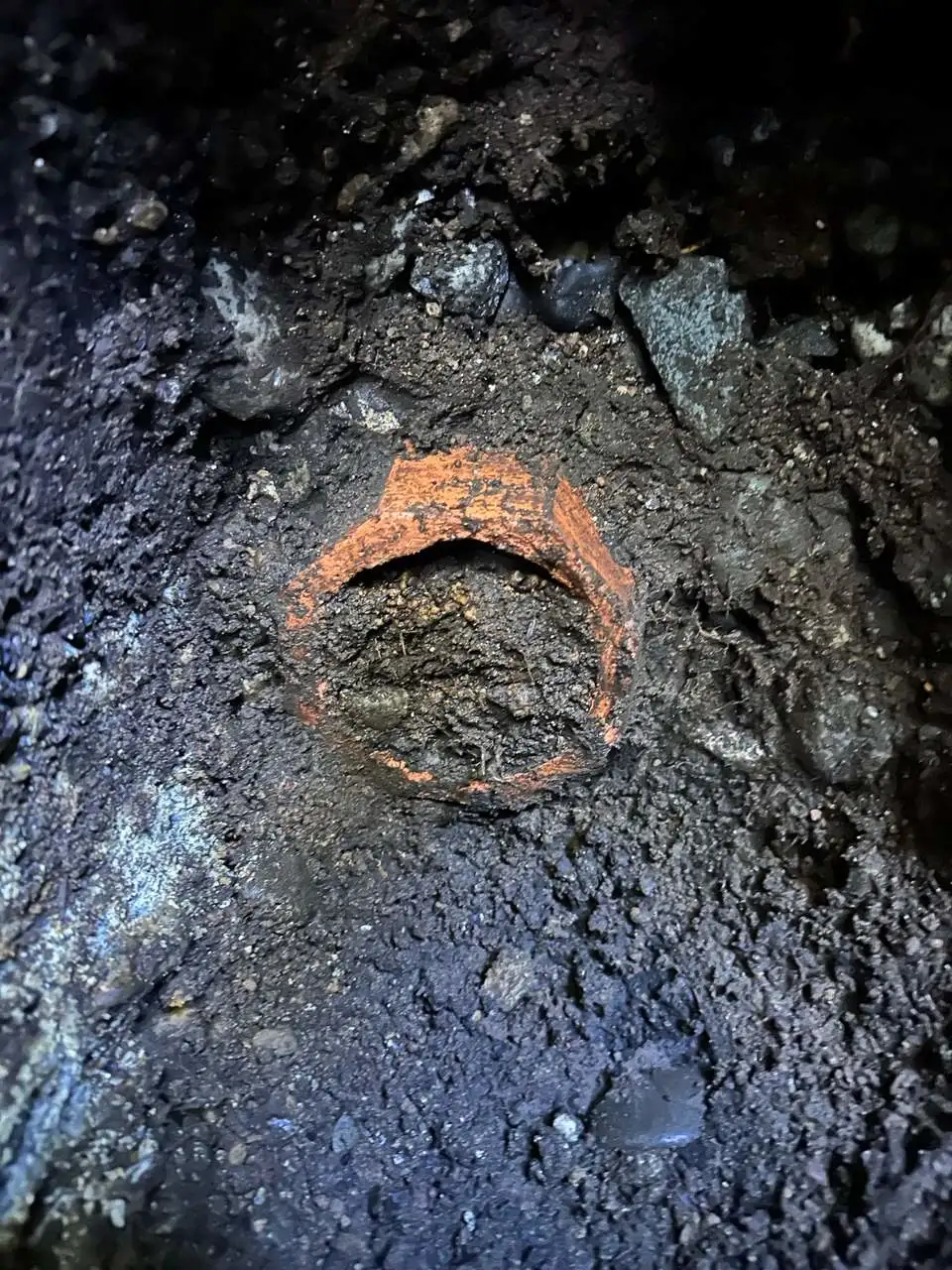
Old crushed and broken clay perimeter drain tile

Crushed or Broken Drain Tile

Older clay drain tile can crack, crush or break apart over time. Damaged sections can restrict drainage and allow surrounding soil and sediment into the system.

Tree roots inside old clay perimeter drain tile

Tree Roots Inside the Drain

Roots can enter through joints, cracks and damaged sections. Removing the roots may restore flow, but damaged pipe may still require excavation and repair.

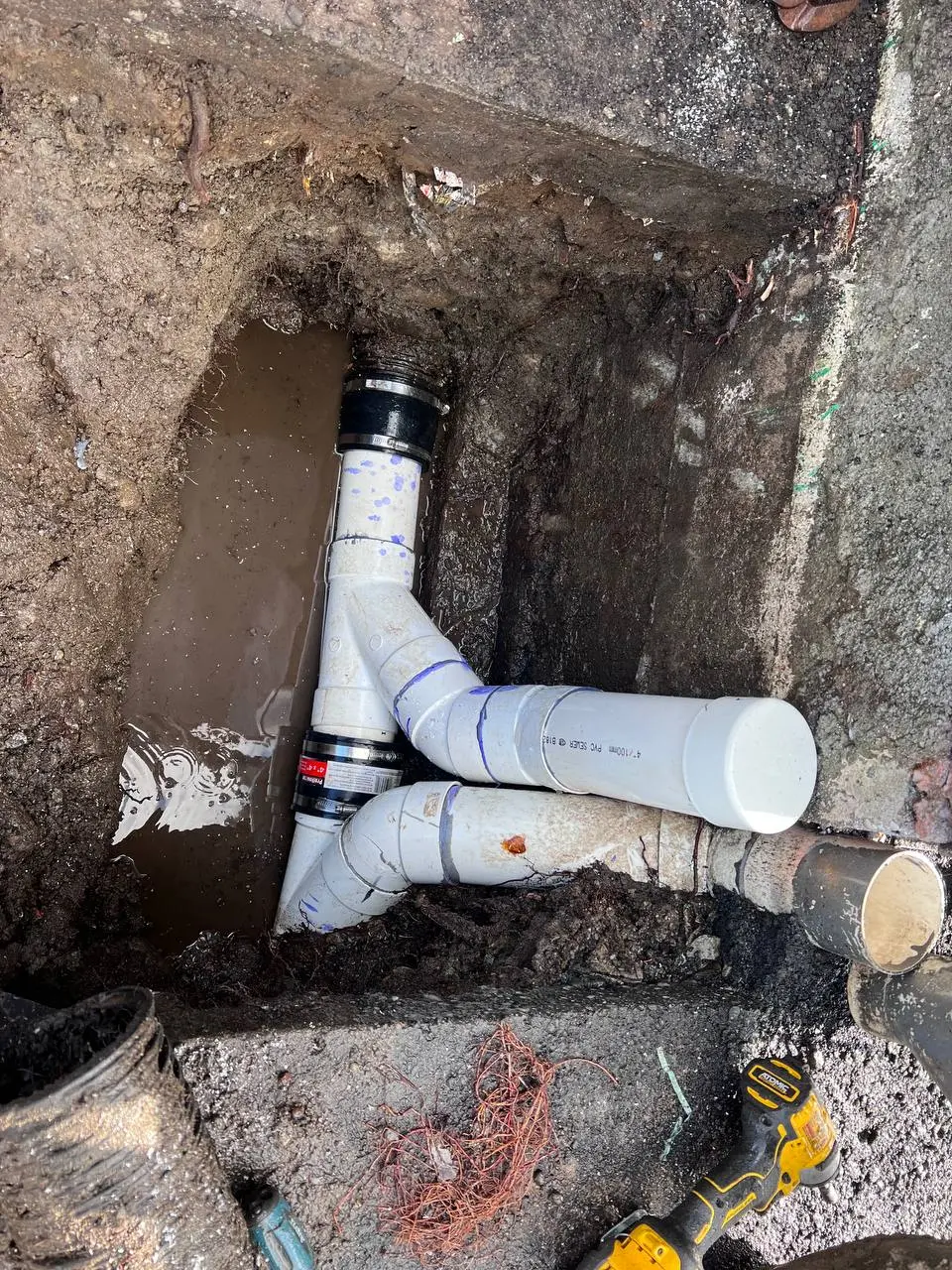
Repair to damaged perimeter drainage connection

Failed Drainage Connections

Connections can separate, shift or fail. When the problem is localized, the damaged connection or section may be repaired without replacing the entire drainage system.

Cracked or Collapsed Pipe

A damaged section can collapse and restrict water from moving through the drainage system.

Separated Joints

Older sections can shift apart, creating openings for soil, sediment and roots.

Widespread Deterioration

When failures occur in multiple areas, replacing a larger section may be more practical than repeated repairs.

Diagnose First

Finding the Problem Before We Dig

Excavating around a foundation can be disruptive and expensive. The first goal is to understand where the problem is and how extensive it appears to be.

Learn About Our Inspection Process
Drain camera inspection equipment used to inspect underground drainage
See what's
happening
underground.
Your Options

Repair, Partial Replacement or Full Replacement?

Finding damaged drain tile does not automatically mean the entire perimeter drainage system needs to be replaced. The appropriate scope depends on the condition of the existing system.

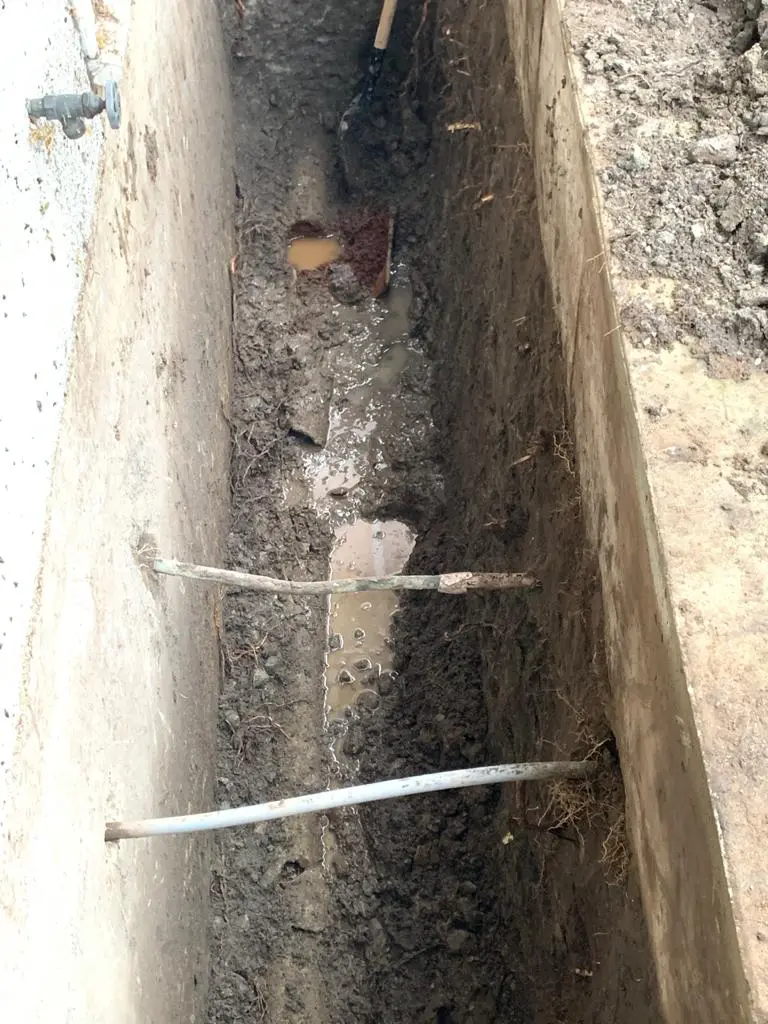
Localized perimeter drain pipe repair

Localized Perimeter Drain Repair

When there is a clearly identified failure and the surrounding drainage remains serviceable, we may be able to excavate only the affected area.

The damaged pipe is exposed, removed where required and replaced with new drainage pipe that connects into the serviceable existing system.

This can be appropriate for an isolated:
  • Collapsed section
  • Broken pipe
  • Separated connection
  • Localized root-damaged section
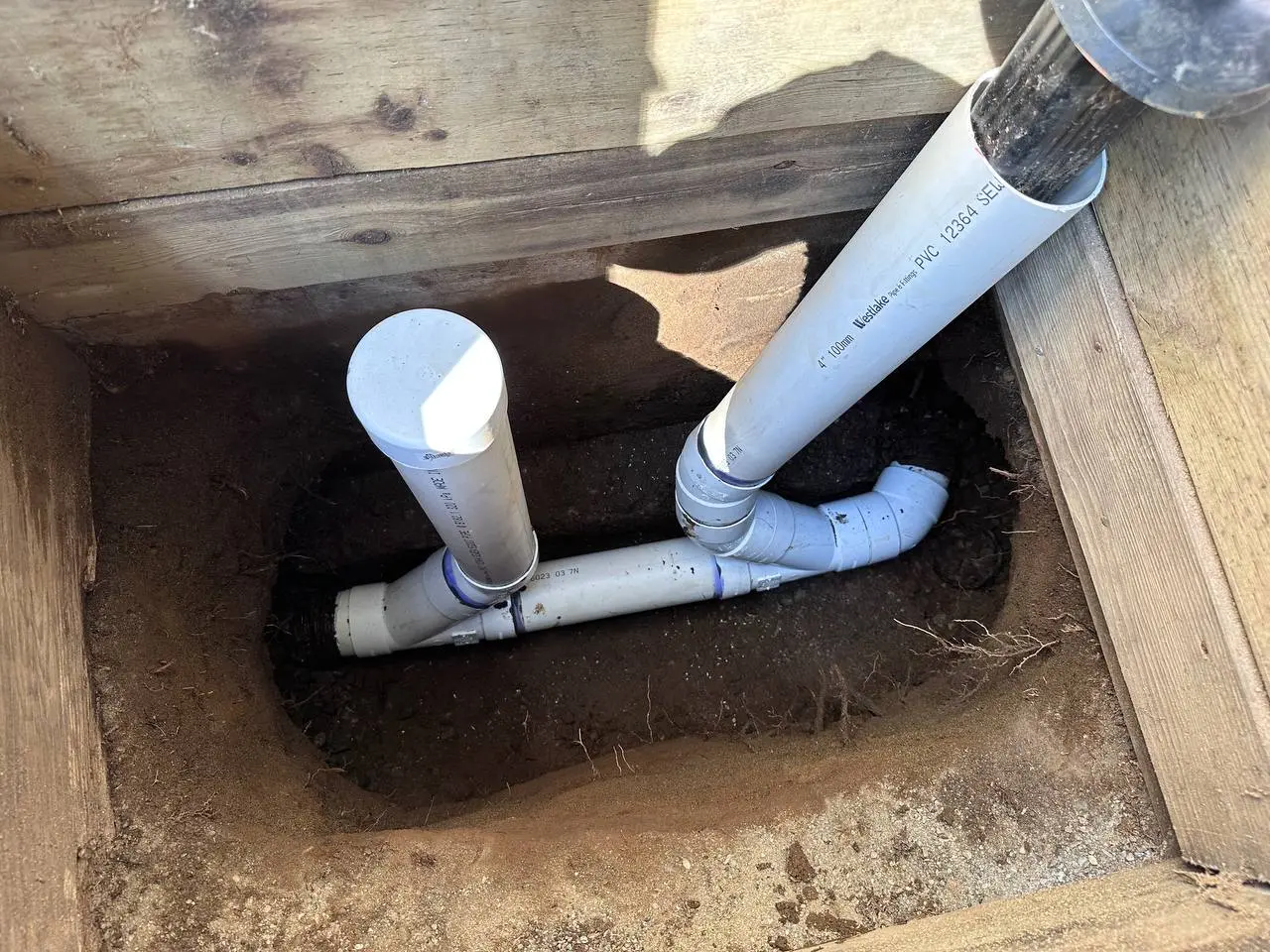
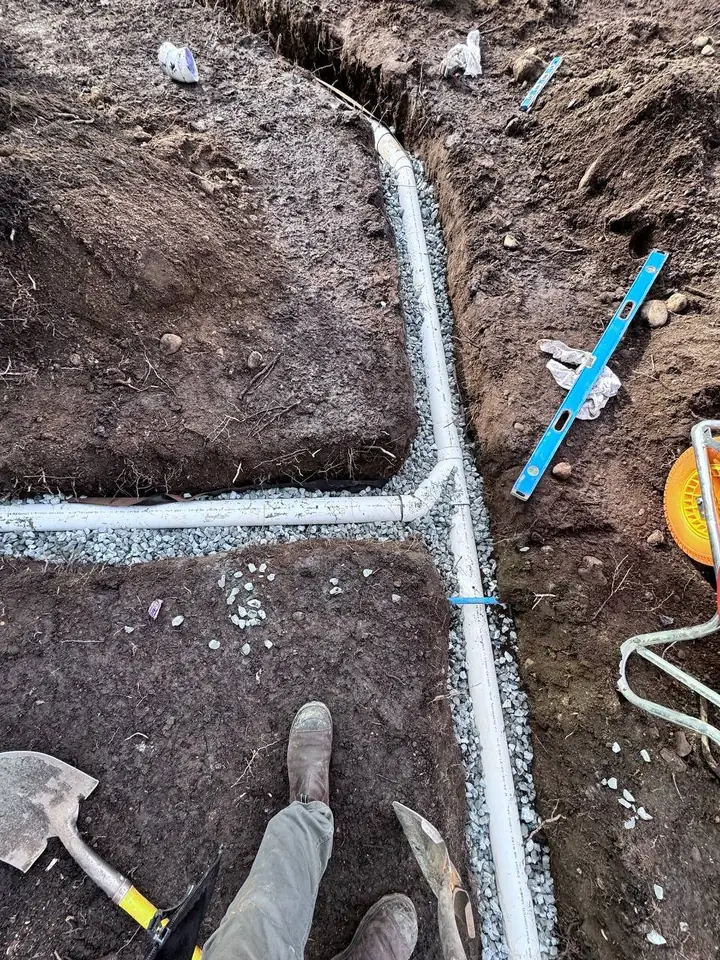
Partial perimeter drain replacement along a foundation

Partial Perimeter Drain Replacement

Sometimes damage extends beyond one small repair but does not require replacement around the entire building.

A longer section—or one portion of the building's perimeter—may be replaced and connected to the remaining serviceable drainage system where appropriate.

New full perimeter drain installation beside a foundation

Full Perimeter Drain Replacement

When failures are widespread, the existing drainage is extensively deteriorated or there is no dependable existing system to connect repairs into, complete replacement may be the more practical long-term solution.

A full replacement involves installing a new perimeter drainage system along the required foundation perimeter.

If a localized repair is practical, we'll explain that option.

If we believe continued spot repairs are putting money into a drainage system that is extensively failing, we'll explain that too.

Older Systems

Repairing Older Clay Drain Tile

Many older properties throughout Greater Vancouver can have aging perimeter drainage systems that differ considerably from modern installations.

Older clay drain tile is made from individual sections installed around the foundation. As these systems age, sections can shift, separate, crack or become vulnerable to roots and sediment entering through joints and damaged areas.

One damaged section does not necessarily mean that every piece of existing drain tile needs to be removed. If the problem is isolated and the surrounding system remains usable, a localized repair may be possible.

When deterioration appears throughout multiple areas of the system, however, repeatedly excavating and repairing individual sections may become less practical than replacing a larger portion of the perimeter drainage.

Old clay perimeter drain tile with roots and deterioration

Older clay drain tile can shift, separate, crack or become vulnerable to roots and sediment over time.

Things to Consider

When a Small Repair May Not Be the Best Investment

A localized repair can save considerable excavation when the rest of the drainage system is still serviceable. But there are situations where continuing to repair individual failures may not make financial sense.

Multiple Sections
Are Failing

Finding failures in several locations can indicate that the problem extends beyond one isolated section.

Extensively
Deteriorated Drain Tile

A new section of pipe still needs a serviceable drainage system to connect into. If the surrounding drainage is deteriorating, another localized repair may provide limited value.

Previous Repairs
Have Already Been Made

Repeatedly excavating different areas of the property can eventually cost more than addressing a larger portion of the failing system at once.

Roots Keep Returning

Removing roots can restore flow, but it does not repair cracks or separated joints that allowed the roots into the drainage system.

Drainage Configuration
Issues

Replacing a short section of pipe will not correct a larger problem with how water is being collected or discharged.

We will explain what we find so you can compare the immediate repair with the larger solution before deciding how much work you want completed.
Additional Findings

What If We Find a Foundation Problem While Excavating?

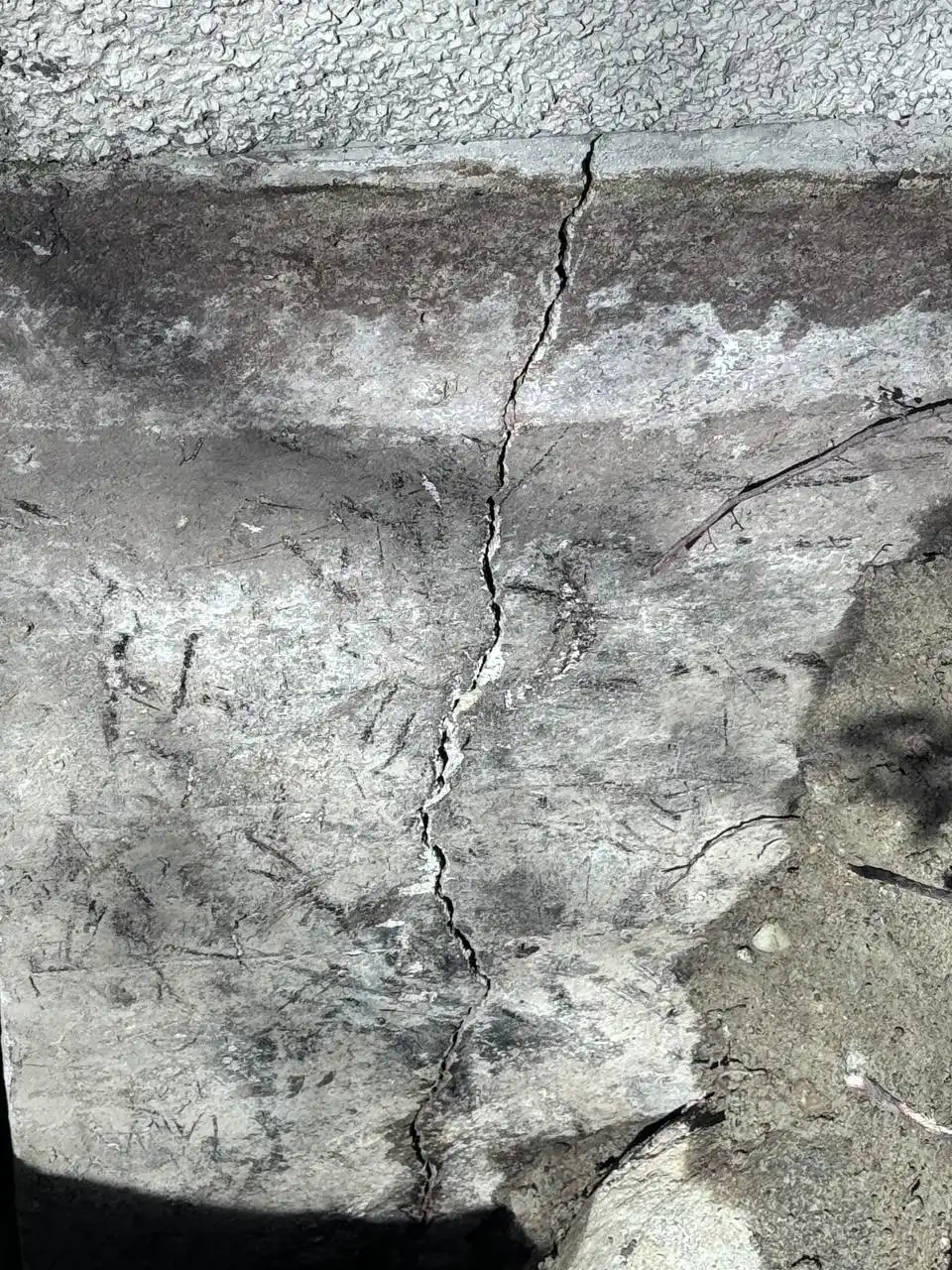
Perimeter drain repairs often expose part of the building's foundation. Once the soil has been removed, previously hidden conditions can sometimes become visible, including foundation cracks, openings or deterioration in existing exterior waterproofing.

If we discover an additional concern, we document what we can see and explain the available options.

Additional foundation repair or waterproofing is not automatically included with a perimeter drain repair. If additional work is recommended, it should be discussed and approved before being added to the project.

Foundation crack exposed during excavation in Vancouver

Excavation can sometimes reveal foundation cracks or deterioration that were not visible before.

Extra Opportunities

Foundation Waterproofing
While the Wall Is Exposed

Not every perimeter drain repair requires foundation waterproofing. However, when a substantial section of foundation has already been excavated, it provides an opportunity to inspect an area that normally remains buried.

If waterproofing work is actually required, completing it while the foundation is already accessible can avoid excavating the same area again in the future.

Our team can assess the exposed area and explain whether additional foundation crack repair or exterior foundation waterproofing should be considered before backfilling.

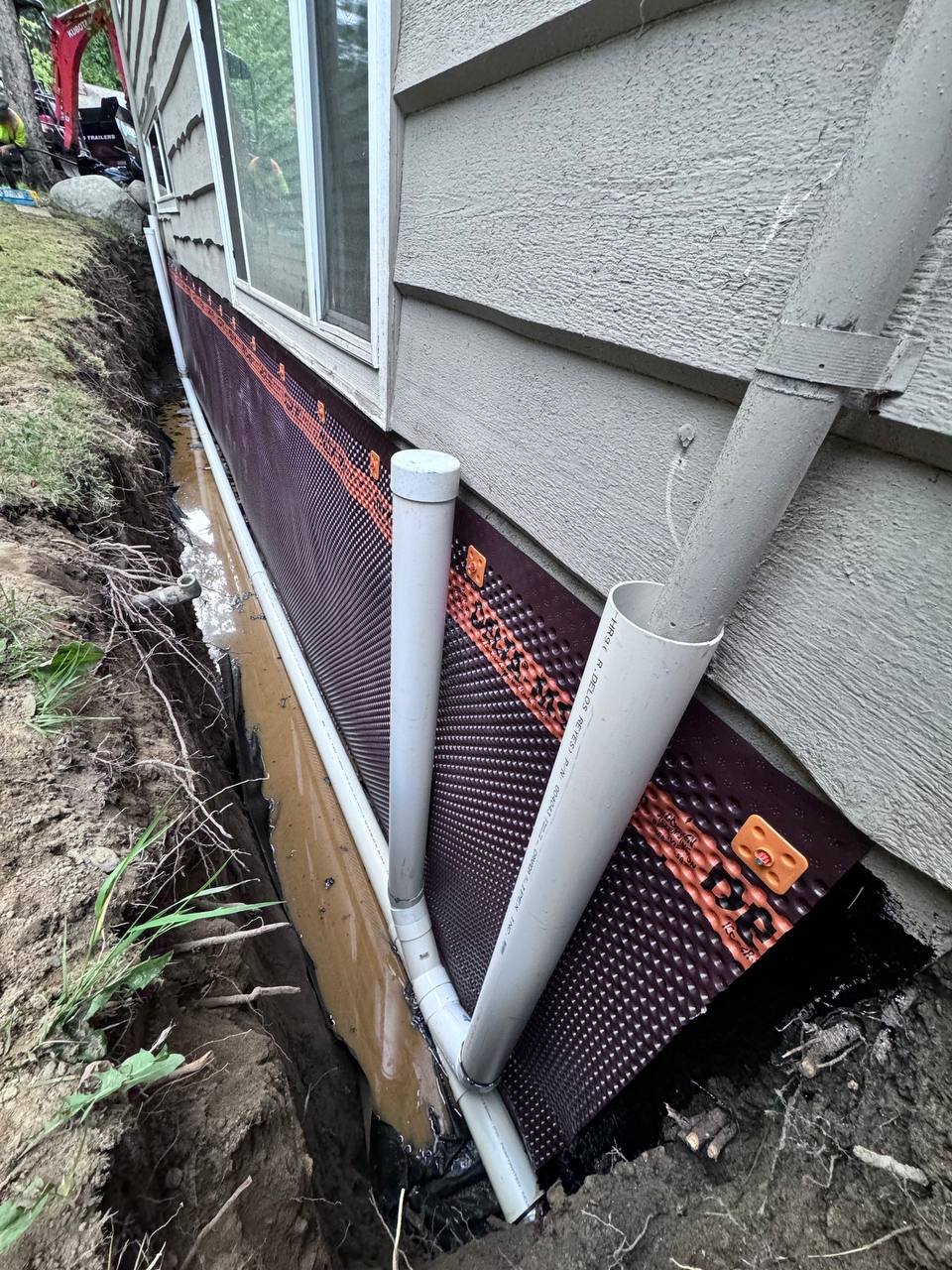
Exposed foundation wall with exterior waterproofing and drainage installed

An exposed foundation gives us the opportunity to inspect for cracks or waterproofing issues that are normally hidden underground.

Cost Considerations

Perimeter Drain Repair Cost in Vancouver

There is no single price per foot that accurately represents every perimeter drain repair. A short repair with easy equipment access can require considerably less work than reaching a deep drainage line beside concrete, landscaping, stairs or a narrow side yard.

The cost can depend on:

Length of Repair

How much existing drain tile needs to be exposed and replaced.

Excavation Depth

Deeper drainage requires more excavation and additional handling of soil and materials.

Equipment Access

Properties that cannot be accessed with excavation equipment may require substantially more hand digging.

Concrete & Paving Stones

Hard surfaces may need to be removed to reach the drainage system.

Trees & Roots

Heavy roots and established landscaping can affect excavation and repair.

Soil & Rock Conditions

Ground conditions can significantly change the amount of labour and equipment required.

Foundation Conditions

Foundation repairs or waterproofing discovered after excavation are separate from the drain repair unless specifically included.

Restoration

Grass, landscaping, paving stones, concrete and other restoration should be clearly identified in the project scope.

Know What Your Repair Covers

A perimeter drain repair estimate covers the drainage section and work identified in the approved scope.

Repairing one section of an older perimeter drainage system does not mean that the condition or future performance of the remaining existing drain tile can be guaranteed.
Warranty Information

Warranty for Repairs vs. Full Replacement

There is an important difference between warranting new drainage that we install and guaranteeing portions of an older drainage system that remain underground.

Quality work.
A long-term solution.

Localized Drain Repairs

A localized repair addresses the specific section included in the approved scope. Other sections remain part of the property's existing drainage system. Their condition and future performance are separate from the newly repaired section.

Full Perimeter Drain Replacement

A qualifying complete perimeter drain replacement can be covered by a separate written workmanship warranty for the new installation, subject to the warranty terms provided with the project.

This allows us to stand behind the new work without making promises about old drainage that was not replaced.

Larger Projects

Larger Perimeter Drain
Repairs & Excavation

Some perimeter drain repairs require only a relatively small excavation. Others require substantial excavation around a foundation.

For larger drainage and excavation projects, our team has the equipment and manpower required to handle more extensive work. Ricardo Quintana has more than 20 years of experience with drainage, excavation and larger underground projects. His experience includes working with excavation equipment and coordinating crews for larger residential, strata and commercial drainage projects.

Vancouver Underground Drainage Experts has been serving Greater Vancouver since 2019.

Since 2019 Serving Greater Vancouver
20+ Years Drainage & Excavation Experience
Excavation Equipment Available
Residential Strata
Commercial
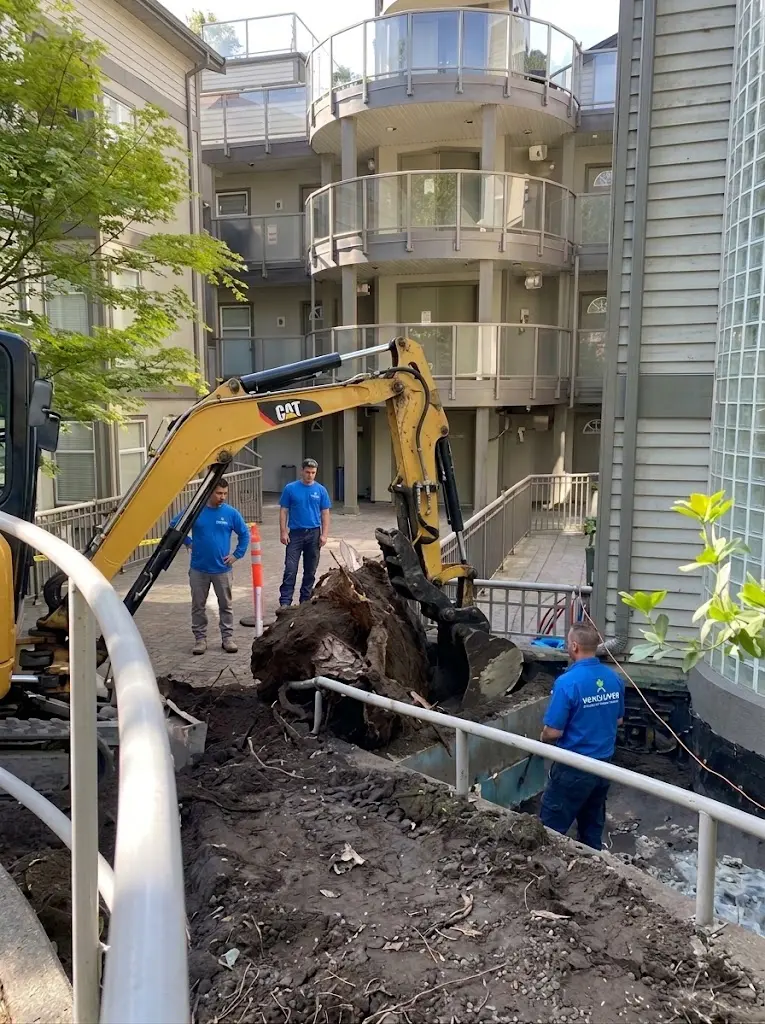
Excavation equipment used for a larger perimeter drainage repair project

Experienced team.
The right equipment.
Solutions for larger projects.

Property Types

Perimeter Drain Repair for Homes, Strata & Commercial Properties

We provide perimeter drain repair services for a wide range of properties throughout Greater Vancouver, from single-family homes to strata complexes and commercial buildings.

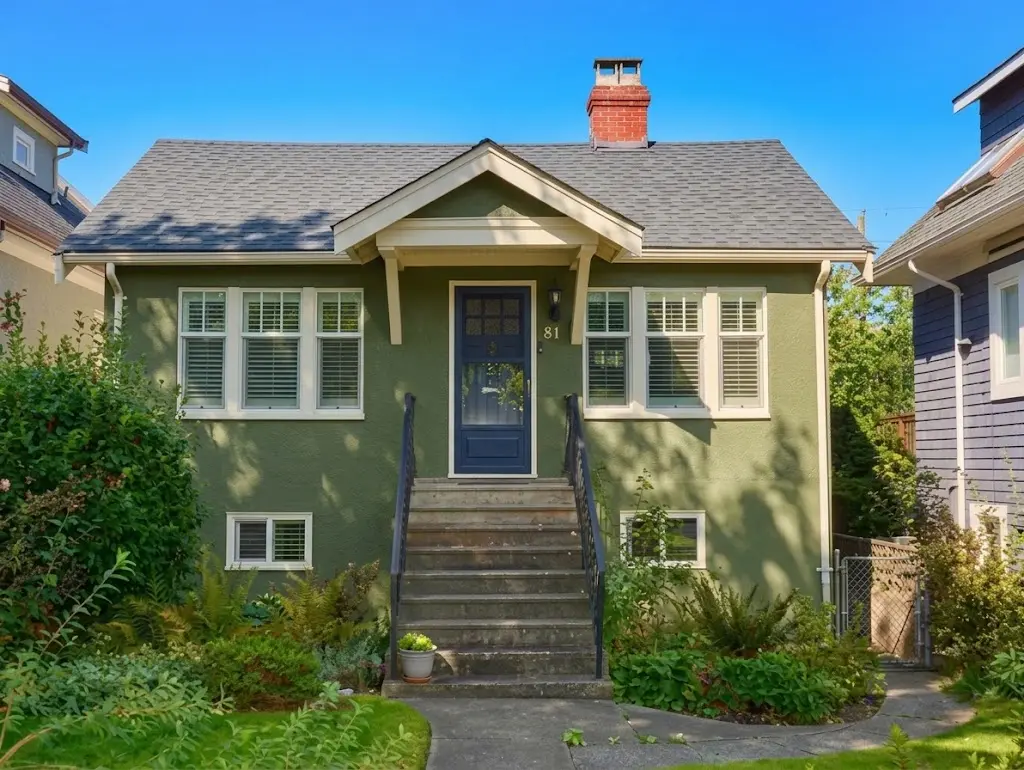
Residential house in Greater Vancouver

Residential Homes

We repair perimeter drainage around existing houses throughout Greater Vancouver, including properties with narrow side yards, landscaping, patios, driveways and other access challenges.

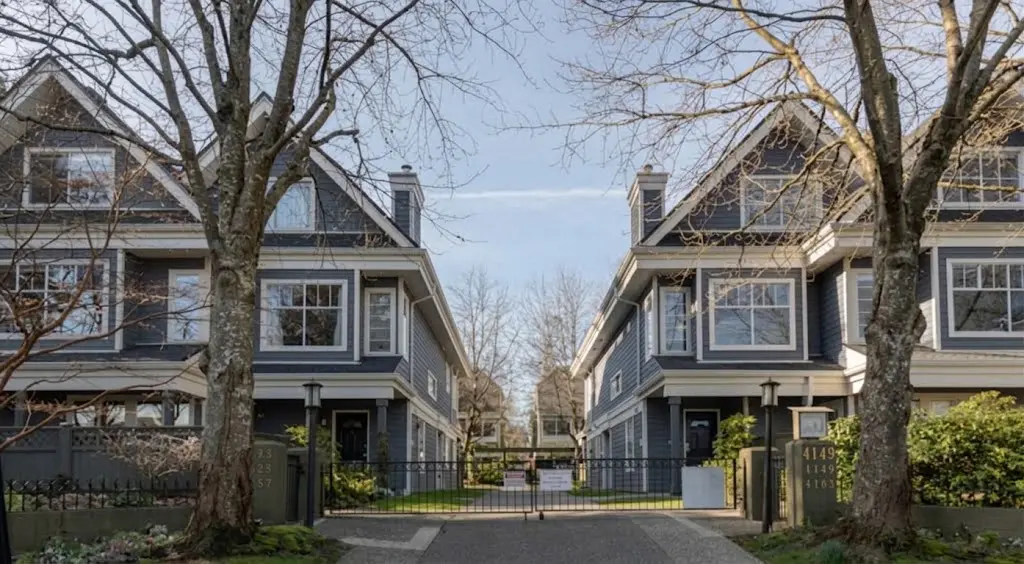
Townhouse strata property in Greater Vancouver

Strata Properties

Drainage failures around townhouses, apartment buildings and other strata properties can require coordination around common areas, landscaping, walkways and building access.

Commercial property in Greater Vancouver

Commercial Properties

Commercial perimeter drainage repairs may involve larger excavation areas, parking areas, hard surfaces and coordination around active properties.

Service Areas

Perimeter Drain Repair
Throughout Greater Vancouver

We provide perimeter drain and drain tile repair for residential, strata and commercial properties throughout Greater Vancouver.

  • Vancouver
  • Burnaby
  • Richmond
  • North Vancouver
  • West Vancouver
  • Coquitlam
  • New Westminster
  • Surrey
  • Delta
  • Langley
  • Maple Ridge
  • Pitt Meadows

Serving Homes, Strata & Commercial Properties

From single-family homes to large strata and commercial buildings, our team provides perimeter drain repair across Greater Vancouver.

Google Reviews

What Our Customers Say

Read real Google reviews from customers who have worked with Vancouver Underground Drainage Experts for drainage, foundation and waterproofing projects.

4.6
★★★★★
Based on 33 Google reviews
Read All Reviews
on Google →
See More Reviews From Our Customers Visit our Google Business Profile to read more customer experiences, company information and drainage services.
View All Google Reviews →
Frequently Asked Questions

Perimeter Drain Repair FAQ

These are some of the most common questions property owners should ask before repairing or replacing perimeter drainage around a foundation.

How do you know if the perimeter drain is actually the problem?

Water around a foundation does not always mean the perimeter drain has failed. The problem could involve a blockage, damaged drain tile, poor surface drainage, a foundation crack, an incorrect drainage connection or another source of water.

We start by looking at where the water is appearing, when it occurs and what drainage is accessible. When possible, a drain camera inspection can provide additional information about the condition of the existing perimeter drainage. In some cases, however, the exact condition cannot be confirmed until the problem area is excavated.

Can you tell where the damaged perimeter drain is before digging?

Sometimes. If the perimeter drainage system is accessible, a camera inspection may help locate broken pipe, separated sections, root intrusion, sediment buildup or an area the camera cannot pass.

A camera does have limitations. Older clay drain tile, collapsed sections, inaccessible lines and heavy obstructions can prevent a complete inspection. We use the information available to narrow down the problem rather than promising that every underground failure can be located without excavation.

How much of my property will need to be excavated?

That depends on what is found. A localized failure may require excavation only around the damaged section. If several sections have failed or the existing drainage is extensively deteriorated, a larger portion of the perimeter may need to be exposed.

Before larger work proceeds, the proposed excavation area and scope should be explained so you understand what areas of the property are expected to be disturbed.

How deep will you need to excavate?

Perimeter drains are generally located near the base of the foundation, so excavation depth depends on the building and where the existing drainage was installed.

A shallow foundation may require considerably less excavation than a deep basement. Access, soil conditions and the ability to use excavation equipment can also affect how the work is completed and its cost.

What happens to my lawn, garden, concrete or paving stones?

Anything located above the repair area may need to be moved or removed to reach the drainage system. This can include soil, grass, plants, paving stones, concrete, walkways or other landscaping.

The estimate should clearly state what removal and restoration are included. Customers should not assume that every surface disturbed during excavation will automatically be restored unless it is included in the approved scope.

What happens if you uncover another problem after excavation begins?

Underground conditions are not completely visible before excavation. Once the area is opened, we may discover additional damaged drain tile, roots, foundation cracks, deteriorated waterproofing or another condition that changes the recommended work.

If a significant additional problem is discovered, we document what we find, explain the options and discuss any additional cost or change in scope before proceeding with work that was not part of the original approval.

What material will you use to replace my old drain tile?

The material depends on the existing drainage system, the repair and how the new section needs to connect to the remaining drainage.

For older properties with clay drain tile, a repair may involve removing the failed section and installing new drainage pipe with appropriate connections and surrounding drainage material. For larger replacements, the materials are selected for the new drainage configuration being installed.

Customers should ask to see what is being installed and how the new drainage will connect to the existing system.

Where does the water from my perimeter drain go?

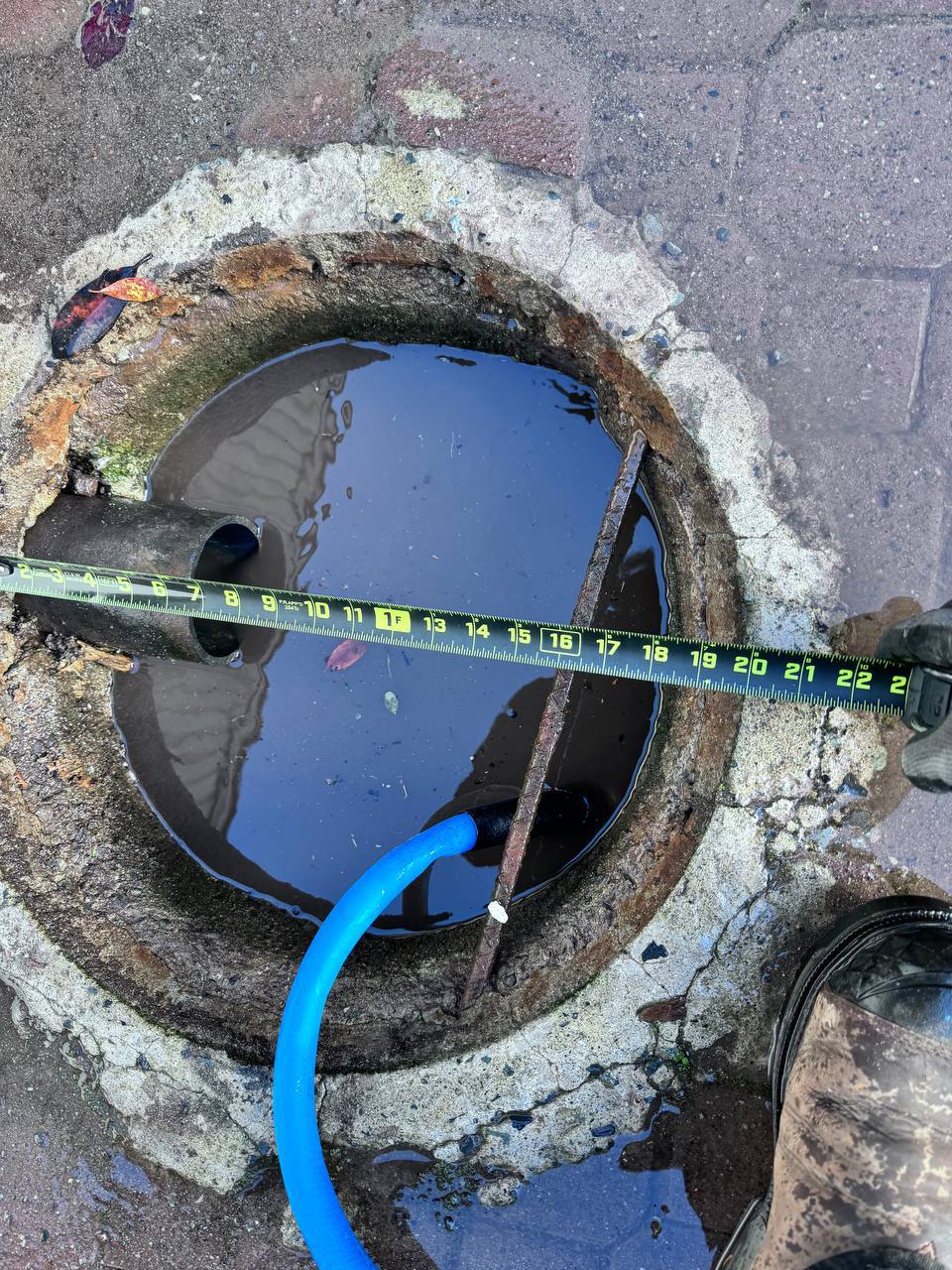
This is an important part of diagnosing a drainage problem. Repairing a damaged section does not necessarily solve the larger issue if water cannot continue through the rest of the system or reach its intended discharge point.

Where accessible, we consider how the drainage system is collecting and moving water and whether there appears to be a downstream issue that should also be investigated.

Will you check the repair before covering it?

The repaired area should be inspected before it disappears underground. The exact method of checking the work depends on the type of repair and the drainage configuration.

We also photograph the newly completed drainage work while it is still exposed so there is a record of what was installed before the excavation is backfilled.

Will I receive pictures before the drainage repair is buried?

Yes. We document our drainage projects with photographs, particularly the parts of the repair that will no longer be visible after backfilling.

Where applicable, this can include the original condition, the damaged drainage after excavation, the new pipe or connection before burial and the completed area afterward.

You should be able to see what was put underground before it gets buried.

Who will actually perform the excavation?

The crew depends on the size and complexity of the project. Smaller drainage repairs may require relatively limited excavation, while larger perimeter drain replacements can require excavation equipment and a larger crew.

For larger drainage and excavation projects, Ricardo Quintana brings more than 20 years of drainage and excavation experience and works with the equipment and crews needed for larger residential, strata and commercial projects. Vancouver Underground Drainage Experts has served Greater Vancouver since 2019.

Is the company insured and covered by WorkSafeBC?

Before hiring a contractor to excavate around your property, ask about both liability insurance and WorkSafeBC coverage.

Vancouver Underground Drainage Experts is WorkSafeBC covered and carries $2 million in liability insurance. Customers can ask for current documentation when required.

Are you recommending a repair or replacement — and why?

The recommendation should be based on the condition of the drainage system rather than automatically choosing the largest project.

If there is one identifiable failure and the surrounding drainage remains serviceable, a localized repair may be practical. If damage extends farther, partial replacement may make more sense. When failures are widespread or there is no dependable existing drainage to connect a repair into, full replacement may be the more appropriate option.

We explain what we find so you can understand why a repair, partial replacement or complete replacement is being proposed.

What exactly should be included in my perimeter drain repair estimate?

The estimate should identify the drainage work being proposed, the area expected to be excavated, what is being repaired or replaced and what restoration is included.

It should also be clear what happens if excavation reveals conditions outside the original scope. For localized repairs, remember that repairing one damaged section does not guarantee the condition or future performance of older drain tile that remains elsewhere around the property.

What should I ask a perimeter drain company before hiring them?

Ask them to explain what they believe has failed, what evidence supports that diagnosis, how much they expect to excavate, what materials they will install, where the drainage carries the water, how the repair will be checked, what restoration is included and what happens if additional problems are discovered.

Also ask whether you will receive photographs of the underground work before it is buried and whether the company carries appropriate liability insurance and WorkSafeBC coverage.

A contractor should be able to explain what you are paying for and what will actually be underground when the project is finished.

Contact Our Drainage Team

Need Perimeter Drain Repair?

If you are experiencing water around your foundation or believe an existing perimeter drain has failed, send us information about the property so we can determine the appropriate next step.

To Get Started, Send Us:

1
Property address

Tell us where the drainage problem is located.

2
Type of property

Home, strata, commercial building or other property type.

3
Where you are seeing the problem

Tell us where water, moisture or drainage problems are appearing.

4
Photos of the affected area

Include the foundation and surrounding exterior area when possible.

5
Existing drainage information

Send camera footage, drainage plans, reports or previous repair details if available.

For existing buildings, photos showing equipment access, walkways, concrete, trees, landscaping, stairs and other obstacles around the foundation are also helpful.

Call Our Drainage Team (604) 359-5022
Serving Greater Vancouver
Since 2019
WorkSafeBC
Covered
$2 Million
Liability Insurance
Request an Estimate

Tell Us About Your Drainage Problem

Complete the form and our team will contact you about the next step.

Contact Vancouver Underground Drainage Experts The secure contact form will automatically load when you reach this section.

© 2024 Vancouver drainage experts

All rights reserved.