Perimeter Drain Installation Vancouver
A properly installed perimeter drainage system helps collect groundwater around a building and direct it away from the foundation.
Vancouver Underground Drainage Experts provides perimeter drain installation in Vancouver and throughout Greater Vancouver for homes, strata properties, commercial buildings and new construction.
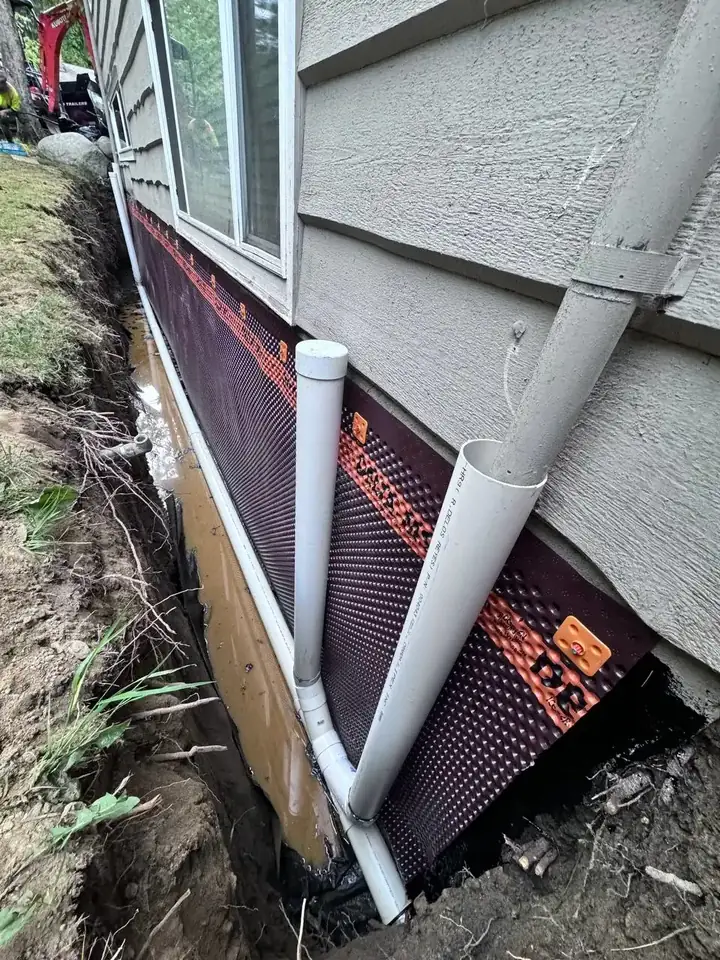
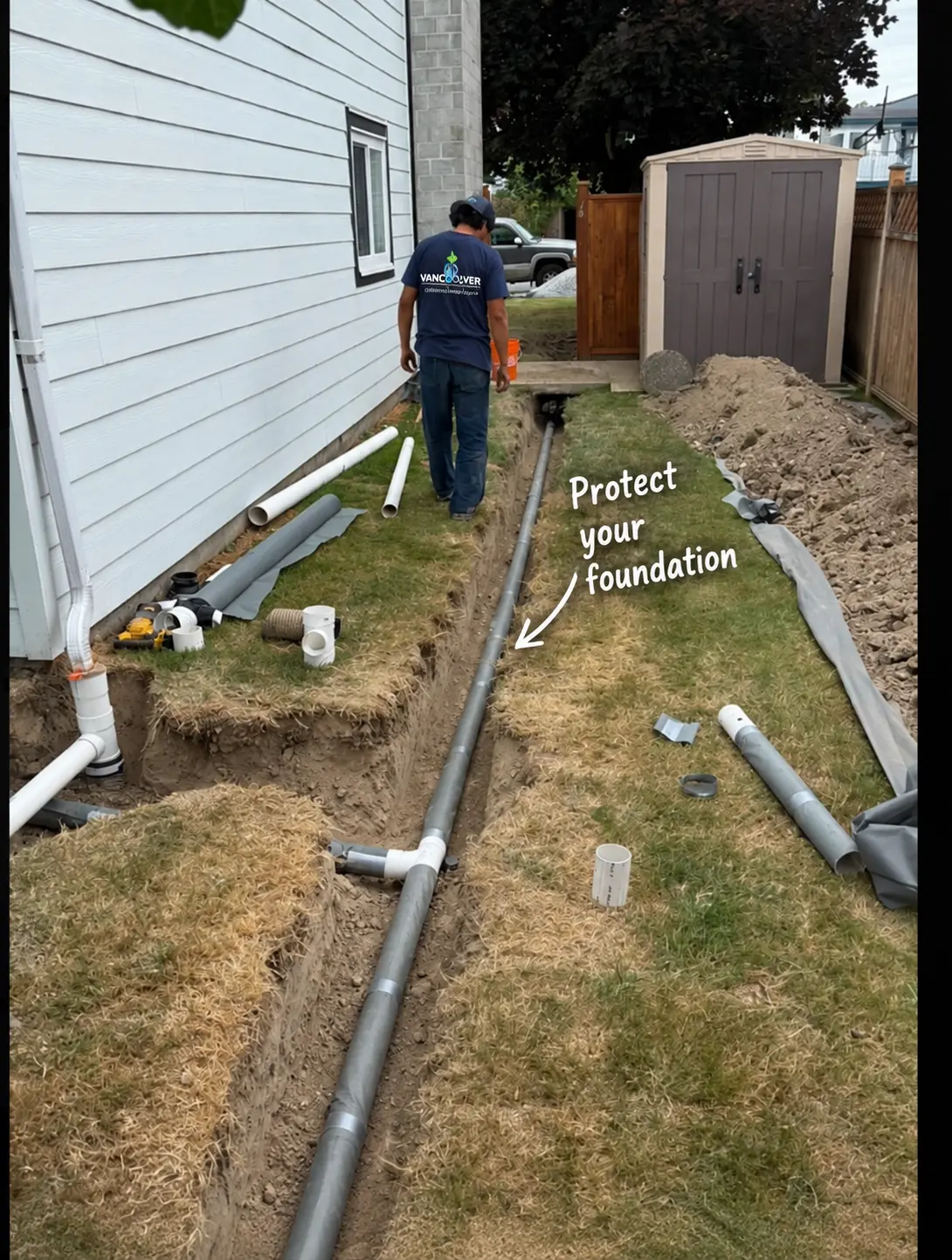
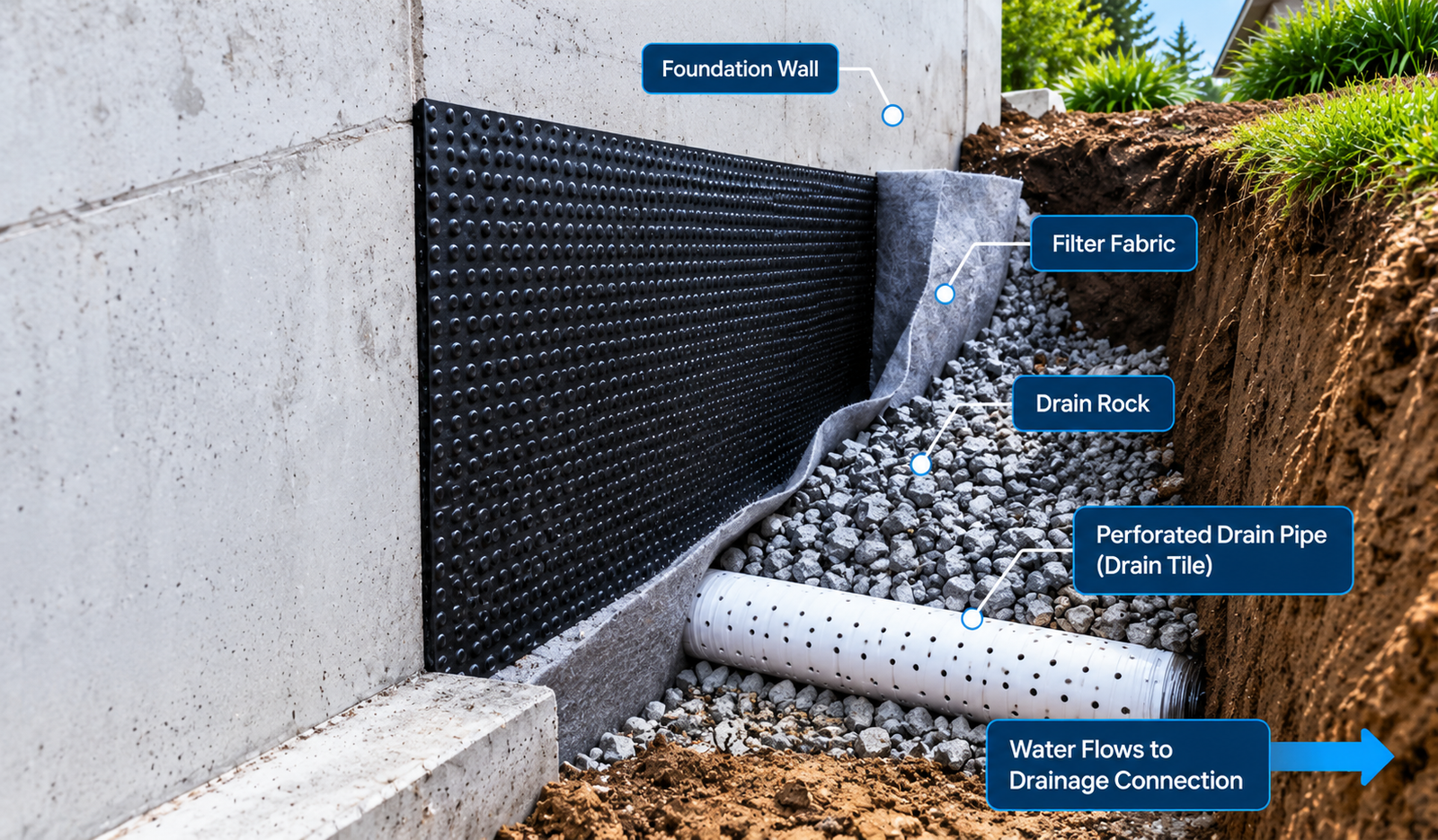
A new perimeter drainage system is installed along the foundation and usually includes perforated drain pipe or drain tile, washed drain rock, filter fabric and properly planned drainage connections.
We install perimeter drains around existing foundations and new construction, with excavation capabilities for residential properties and larger commercial or strata projects.
Homes
Strata Buildings
Commercial Buildings
New Construction
Companies & Property Managers Who Have Trusted Us
Our team has completed drainage, excavation, waterproofing and related work for property managers, businesses, strata properties and organizations throughout Greater Vancouver.












What Is a Perimeter Drainage System?
A perimeter drainage system is installed around the outside of a building's foundation to collect water in the soil before it can accumulate around the foundation.
The drainage pipe is positioned beside the foundation at the appropriate elevation and surrounded by drainage material that allows water to reach the pipe.
A typical perimeter drain installation can include:
Perforated Drain Pipe
Collects water from the surrounding drainage material.
Drain Rock
Washed drain rock creates space for water to move toward the drain.
Filter Fabric
Helps separate soil from the drainage material and reduce sediment entering the system.
Proper Grade
Installed at the correct elevation and grade so water can move through the system as designed.
Drainage Connection
Directs collected water toward an appropriate discharge or collection point based on the property and drainage design.
Where We Install Perimeter Drains
Perimeter drainage systems are used around many different types of foundations. The excavation, access and drainage design can vary considerably depending on the property.
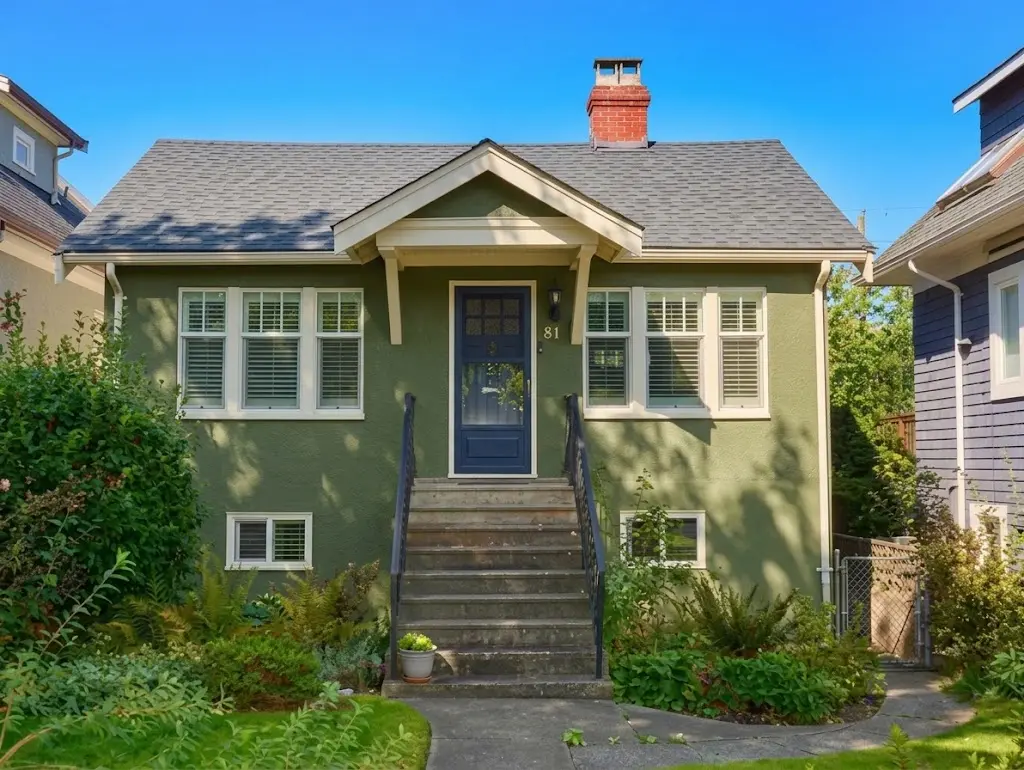
Homes
New perimeter drain installation around residential foundations, including existing homes where a new foundation drainage system is required.
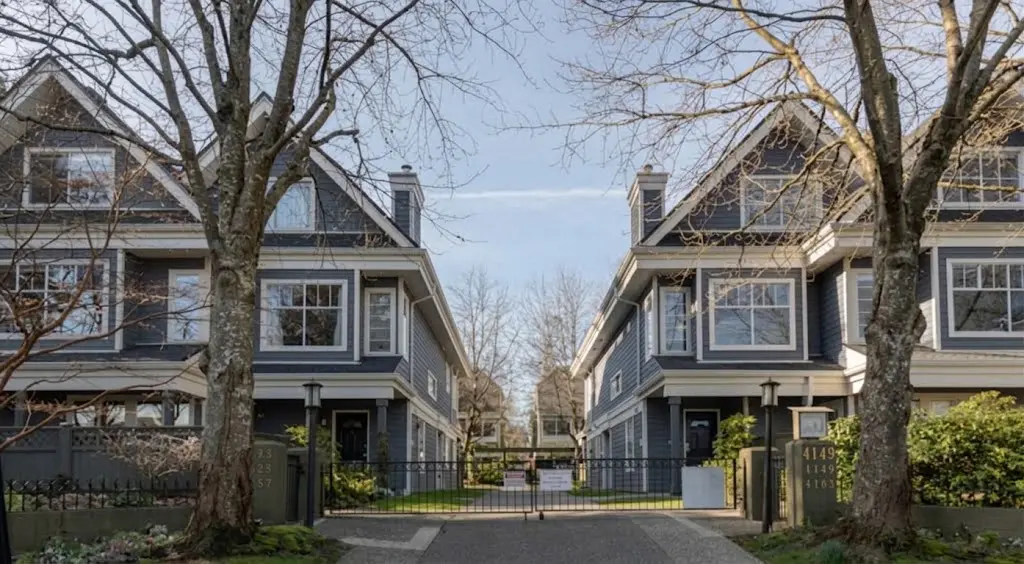
Strata Properties
Perimeter drainage installation for townhouses, condominium buildings and other strata-managed properties.
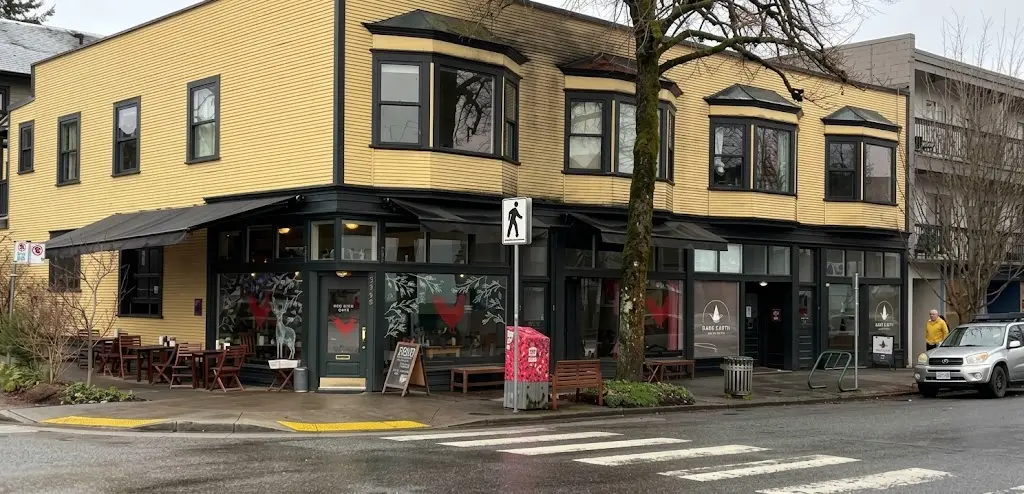
Commercial Buildings
Foundation drainage systems for commercial properties where larger foundations, deeper excavation or more complicated site access may be involved.
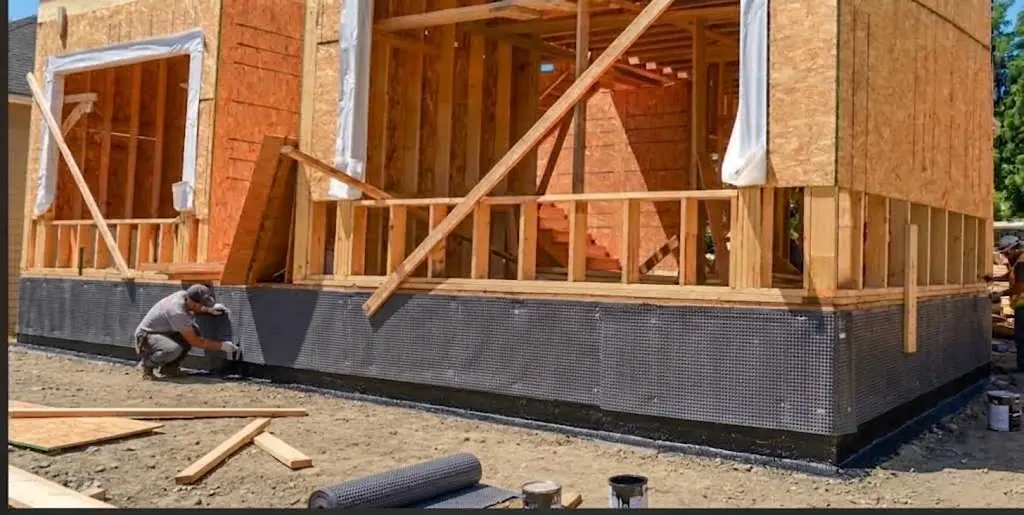
New Construction
Drain tile and perimeter drainage installed while a new foundation is exposed and before the surrounding area is backfilled.
How We Install a Perimeter Drain
Installing a perimeter drain involves more than placing a pipe in the ground. The foundation needs to be properly exposed, prepared and protected before the drainage system is installed and the excavation is restored.
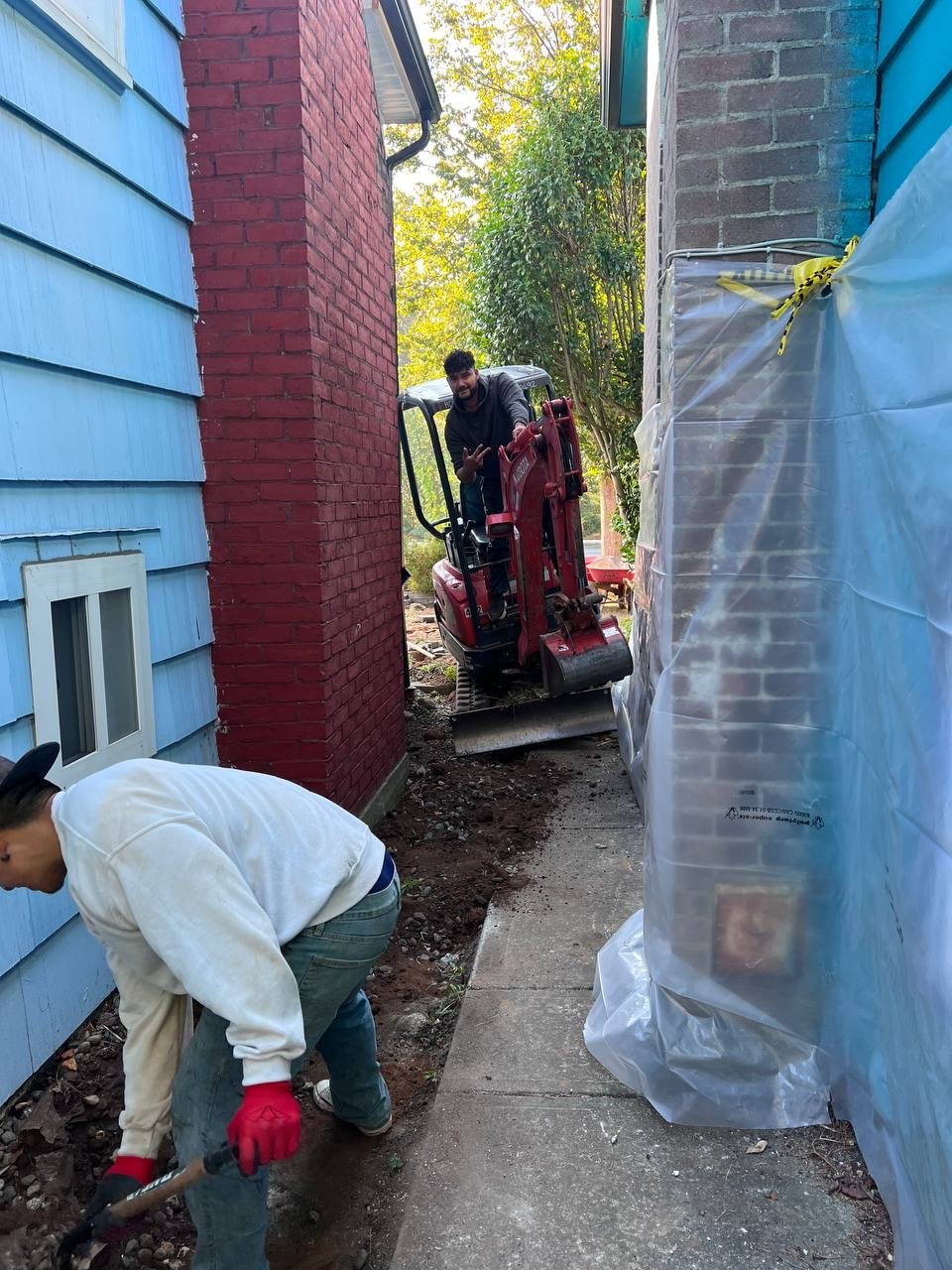
Excavation
A trench is excavated along the required section of the foundation so the drainage and waterproofing work can be completed at the correct depth.
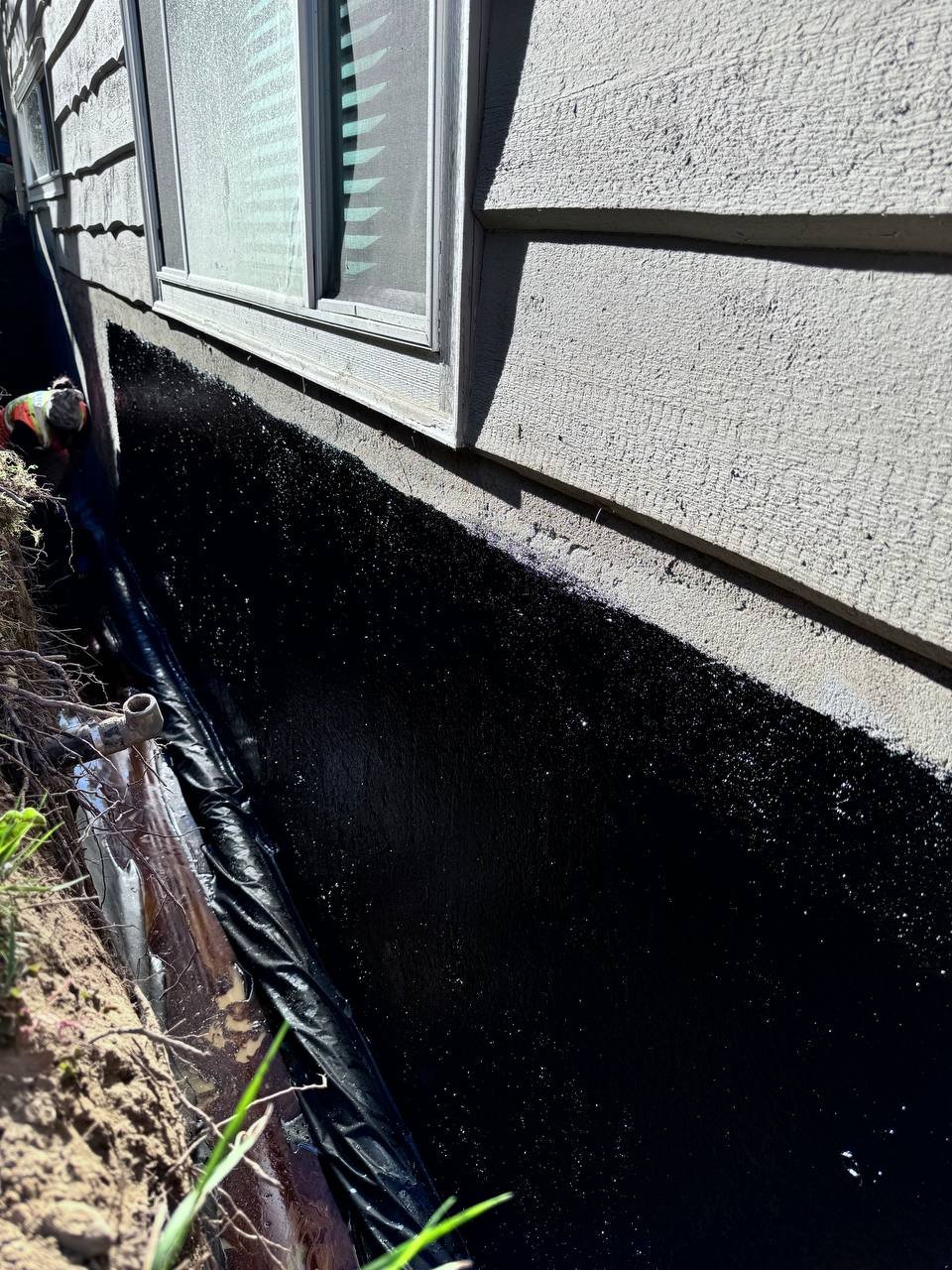
Waterproof the Foundation
Once the wall is exposed, the foundation is prepared and the required waterproofing system is installed before the perimeter drainage system is completed.
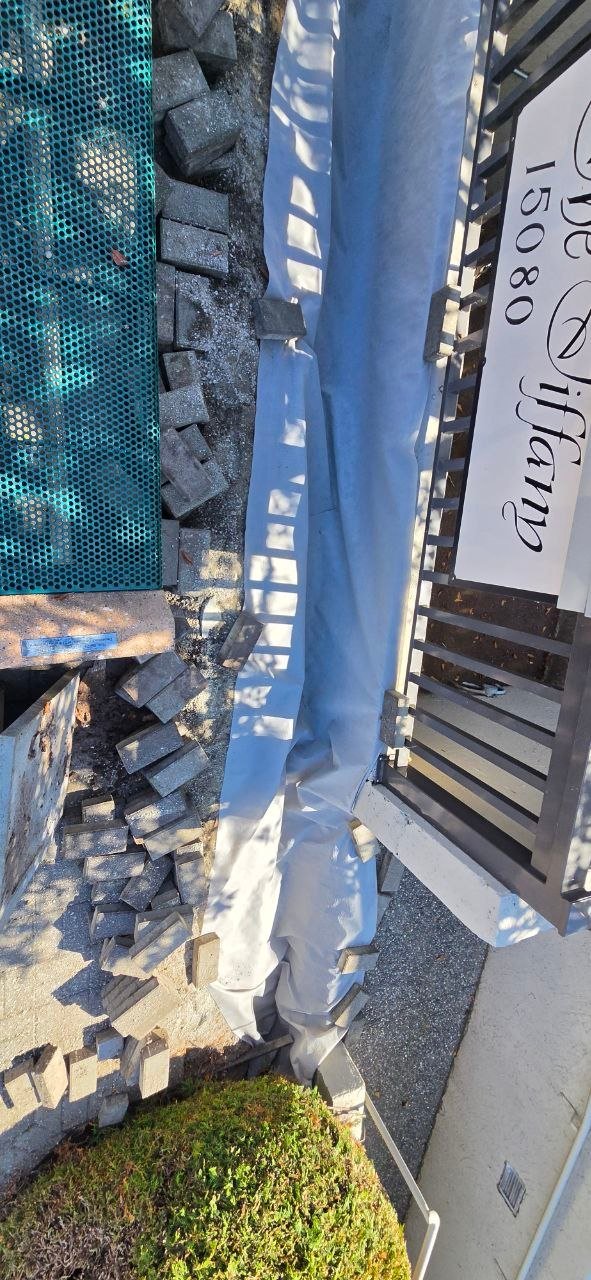
Install Filter Fabric
Filter fabric is installed where appropriate to help separate the surrounding soil from the drainage material and reduce sediment entering the drainage system.
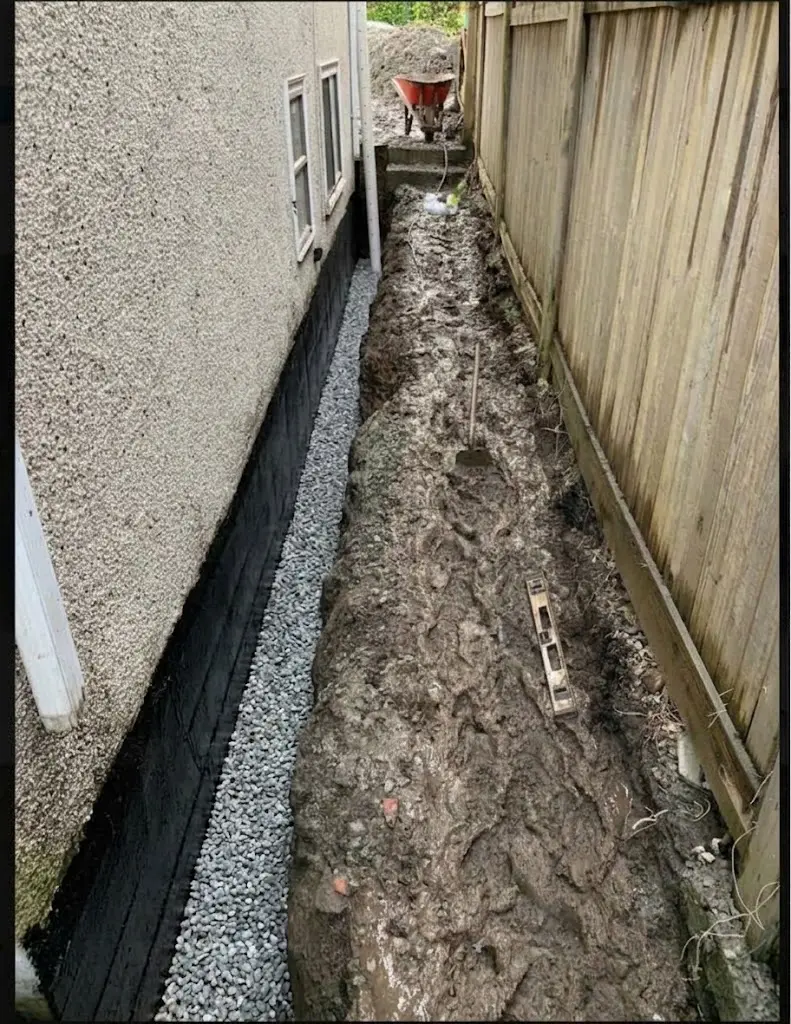
Add Drain Rock
Washed drain rock is placed at the bottom of the excavation to create a drainage layer and provide the proper base for the new drain tile.
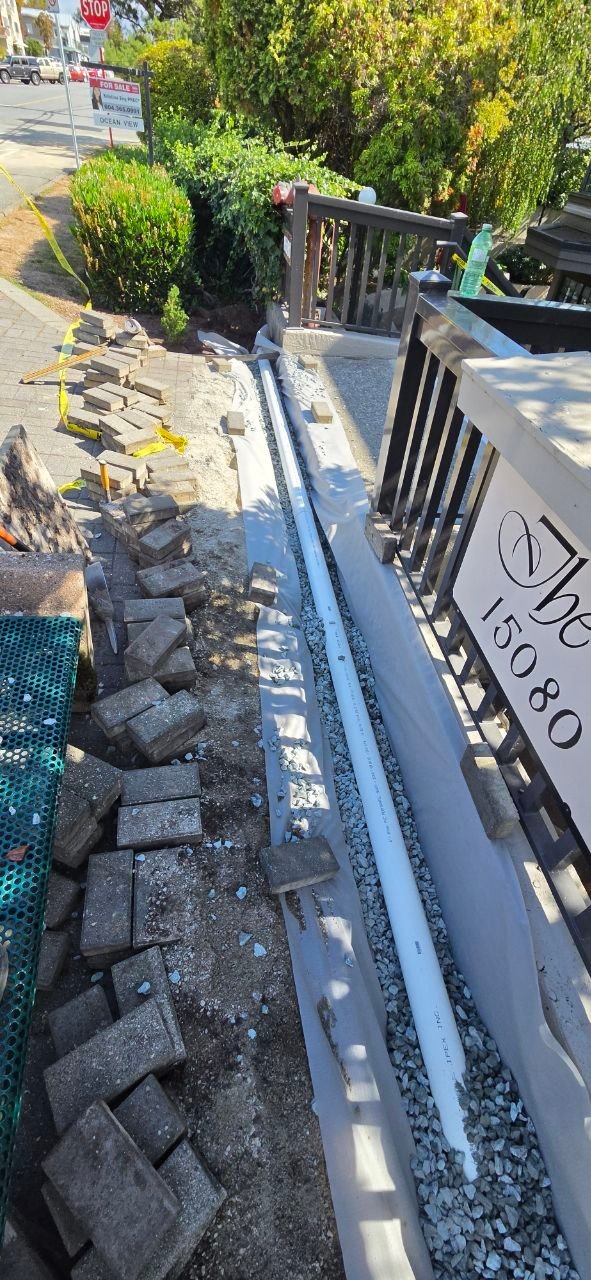
Install the Drain Tile
The perforated drain pipe is installed beside the foundation at the required elevation and grade so collected water can move through the system.
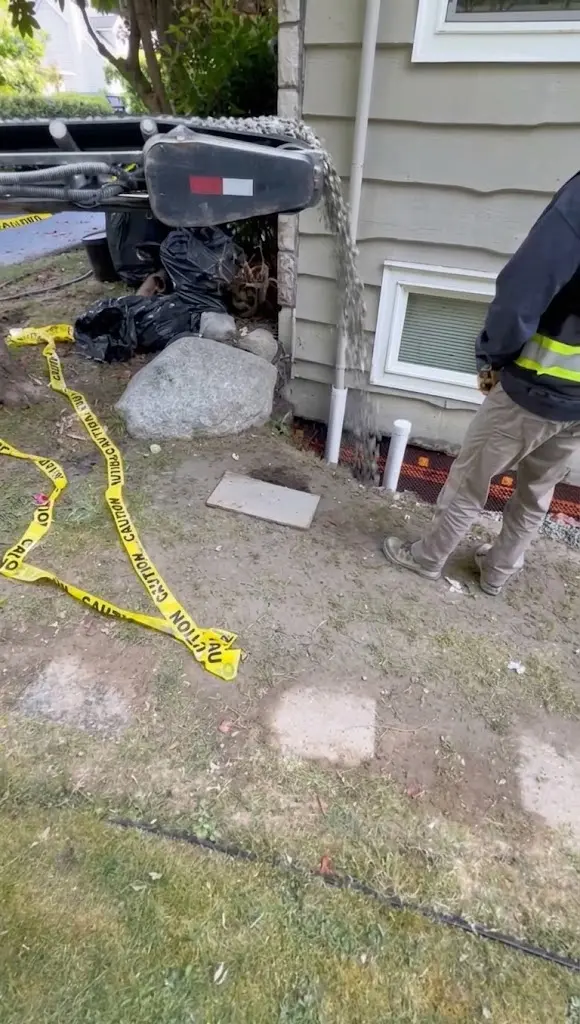
Backfill the Excavation
Once the drainage system is installed, additional drainage material is added as required and the excavation is backfilled.
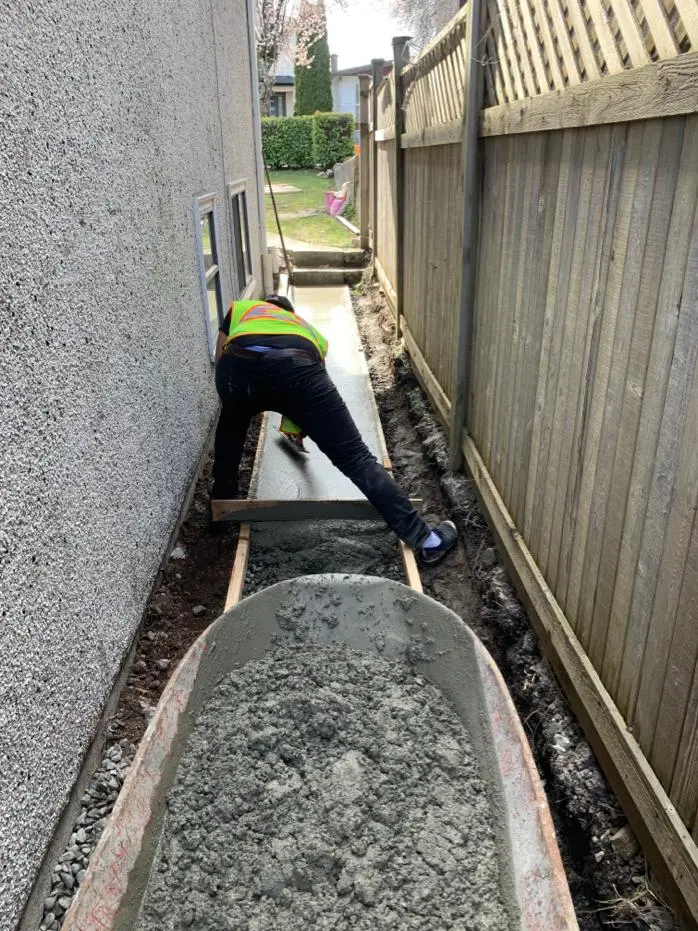
Clean Up & Restore
The work area is cleaned and the property is prepared for restoration. Depending on what was disturbed, restoration may include new grass, cement or paving stones.
Perimeter Drain Installation Around Existing Foundations
A new perimeter drainage system can be installed around an existing building, but reaching the foundation generally requires excavation.
The amount of excavation depends on the foundation depth, the section of drainage being installed and what is located beside the building.
Access may involve working around:
Once the required foundation area has been exposed, the new drainage system can be installed beside the foundation and connected to the appropriate drainage point.
For properties where the entire foundation does not need to be accessed at the same time, excavation can be planned in sections where appropriate.
The objective is to create the access required to install the drainage system correctly without unnecessarily disturbing areas of the property that are outside the work zone.
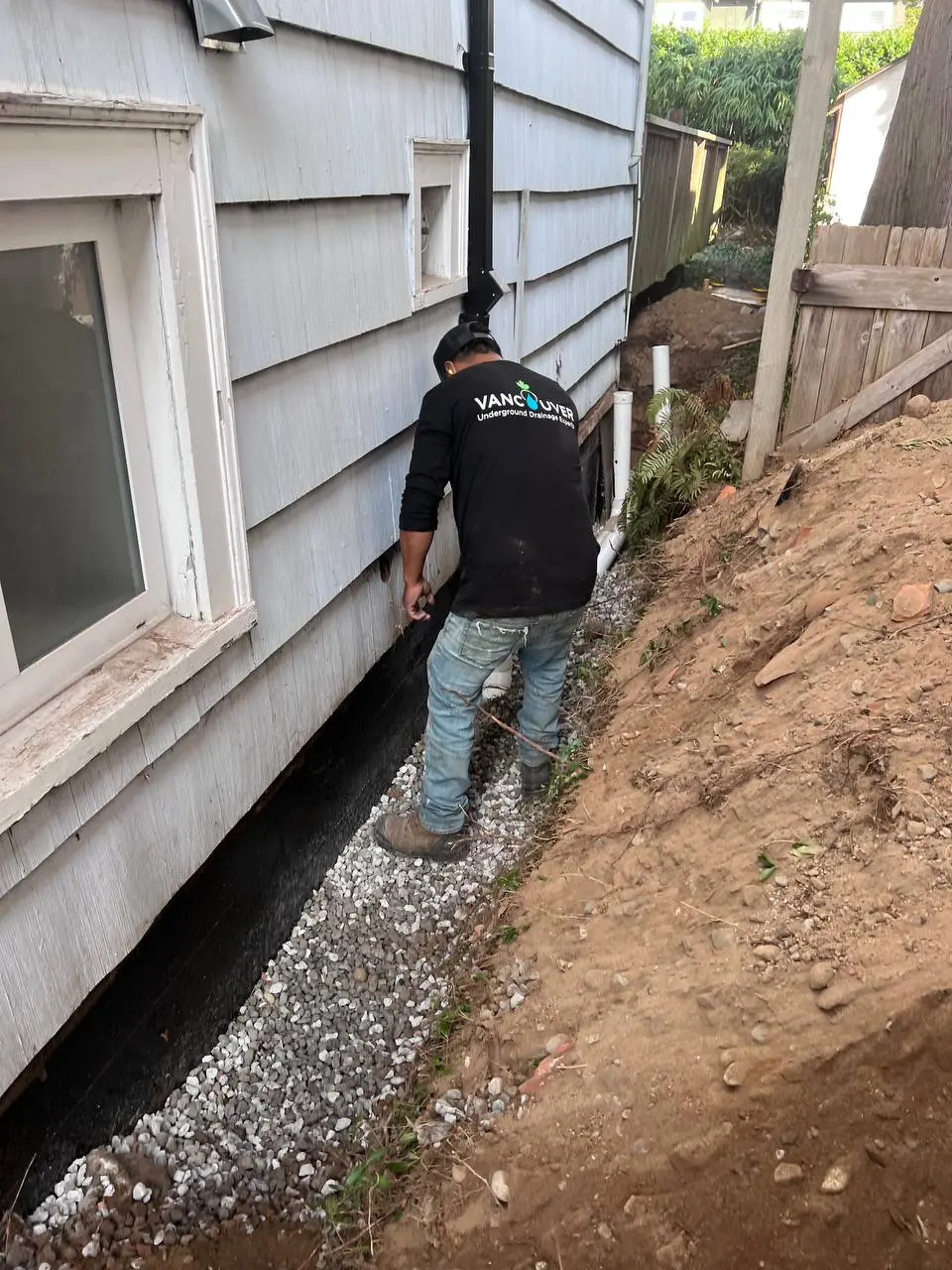
Installed around existing foundations while limiting unnecessary disruption to the property.
Perimeter Drain Installation Cost in Vancouver
The cost of perimeter drain installation in Vancouver depends largely on how much excavation is required and the conditions around the foundation. There is no single price that accurately represents every installation.
This includes base labour and drainage pipe materials.
for labour
for drainage pipe materials
This starting rate is for the perimeter drain pipe installation itself.
The final project price can be higher when additional excavation, difficult access, rock removal, drainage connections, concrete removal, landscaping work or restoration is required.
This is only for pipe installation.
Other services are additional charges.
Factors That Can Change the Price
Every property is different. The final cost depends on a number of factors, including:
Excavation Depth
A deeper foundation requires a deeper trench, more excavation and more labour. Deeper or commercial foundations typically cost more to access.
Access for Equipment
Open access can make a project more efficient. Narrow side yards, fences, stairs, retaining walls or other restrictions may require smaller equipment or more hand excavation.
Rock & Difficult Soil
Large rocks, compacted material or difficult soil conditions can increase the amount of time required to excavate the trench.
Concrete, Patios & Walkways
Concrete walkways, patios, driveways or other hard surfaces may need to be removed to reach the foundation. Removal and restoration are additional to the base installation rate.
Trees, Roots & Landscaping
Large trees, root systems, shrubs and established landscaping can make excavation more complicated and may require additional work.
Drainage Connection
The new perimeter drain needs somewhere to discharge the water it collects. Connecting to an existing drainage line, sump system, catch basin or another approved drainage point can affect the project scope.
Restoration
Backfilling is part of completing the excavation, but rebuilding landscaping, concrete, asphalt, patios or other finished surfaces can add to the overall project cost.
How Do I Get an Accurate Price?
The most accurate price comes from determining how much drainage needs to be installed and what is required to reach the foundation. To prepare an estimate, we typically need:
Your property address
Approximate length of the foundation requiring drainage
Photos of the area beside the foundation
Information about access for excavation equipment
Photos of concrete, trees, landscaping or other obstacles
Any drainage plans or previous drainage reports you have
For straightforward properties, photos and measurements may be enough for an initial estimate. For larger, deeper or more complicated installations, a site assessment may be required before the final scope and price can be confirmed.
Request a Perimeter Drain Estimate →Base perimeter drain installation starts at approximately $173 per linear foot. Additional excavation, site conditions, connections and restoration are priced according to the actual work required.

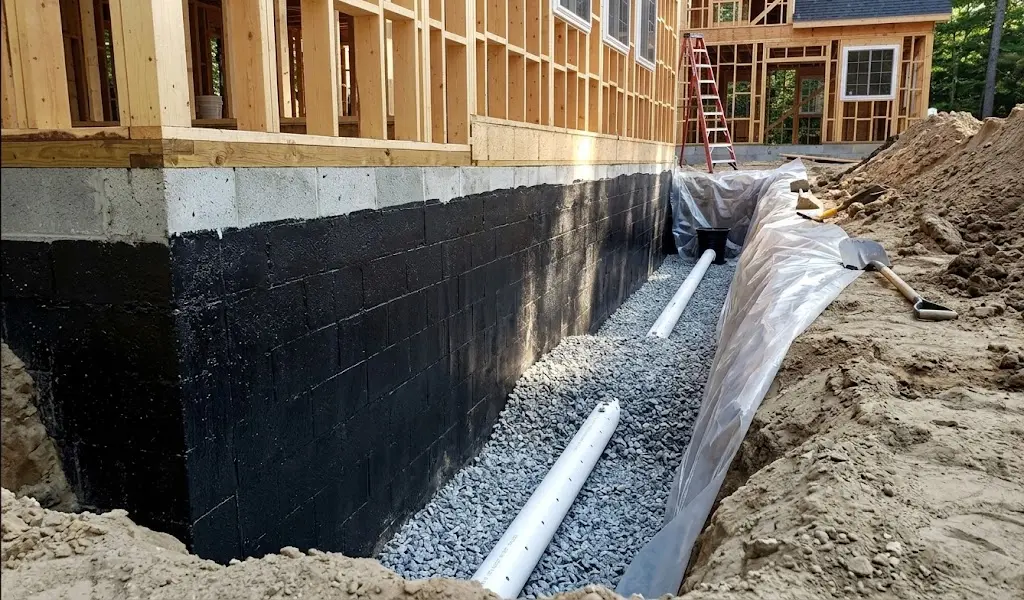
Installing drainage during construction provides the best access and long-term protection.
Perimeter Drain Installation for New Construction
New construction provides an opportunity to install the perimeter drainage system while the foundation is already exposed.
The drain tile is installed beside the foundation at the required elevation before the surrounding excavation is backfilled.
Drain rock, filter fabric where appropriate, drainage connections and the grade of the system are planned as part of the installation.
Installing the foundation drainage correctly at this stage is important because the system becomes much more difficult to access once the foundation has been backfilled and landscaping, concrete or other exterior finishes have been completed.
Equipped for Perimeter Drain Excavation
Perimeter drain installation can require substantial excavation, particularly around deeper foundations and larger buildings.
Ricardo Quintana brings more than 20 years of experience with drainage, excavation and larger underground projects. His team has access to excavators and other machinery used for substantial drainage and foundation work, with approximately 20 people available for larger projects.
This allows us to take on perimeter drain installations involving:
For smaller residential installations, the equipment and excavation approach can be matched to the size and access conditions of the property.

Ricardo Quintana
Larger excavation, drainage and foundation projects throughout Greater Vancouver.
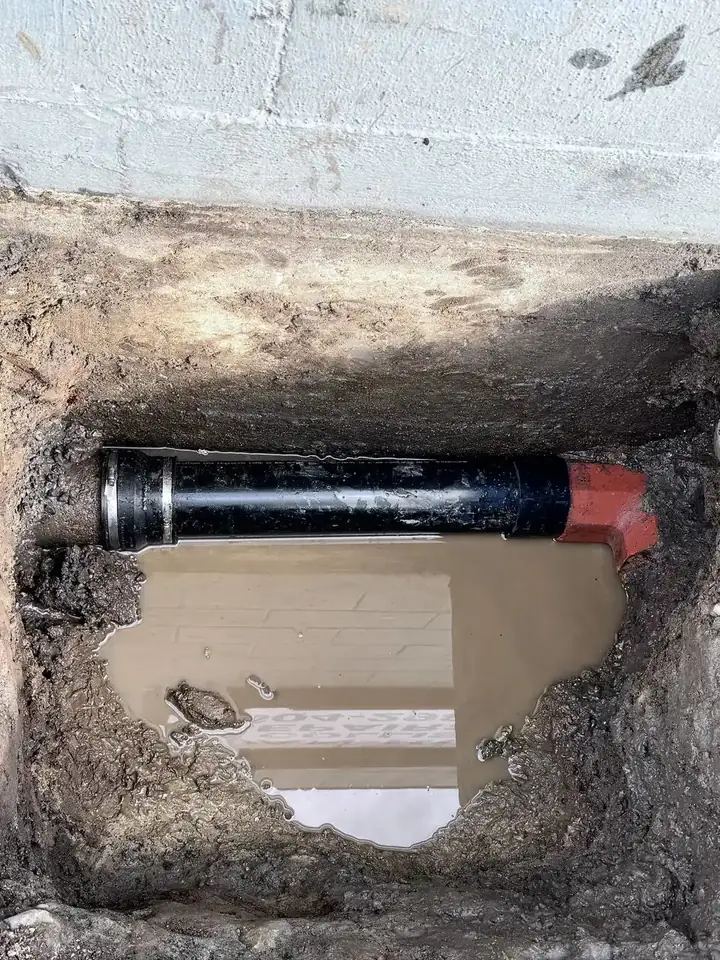
Related Perimeter Drainage Services
The following services address different problems within foundation and property drainage systems.

Perimeter Drain Repair & Replacement
→Repair or replacement when an existing perimeter drainage system has failed or deteriorated.

Perimeter Drain Cleaning
→Cleaning existing perimeter drainage lines where buildup is restricting drainage.

Drain Tile Camera Inspection
→Camera inspection used to examine accessible underground drainage lines and identify conditions inside the pipe.

Perimeter Drain Root Removal
→Removal of roots that have entered and obstructed an existing perimeter drainage line.

French Drain Installation
→Installation of drainage systems designed to collect and redirect water from problem areas of a property.
Perimeter Drain Installation Across Greater Vancouver
We provide perimeter drain and drain tile installation for residential, strata and commercial properties throughout Greater Vancouver.
Residential · Strata · Commercial · New Construction
What Our Customers Say
Read real Google reviews from customers who have worked with Vancouver Underground Drainage Experts for drainage, foundation and waterproofing projects.
“excellent service to fix my sinkhole”
Kwok highlighted the team's clear explanation of the technical work, reasonable pricing and successful repair of a backyard sinkhole.
“communication was excellent, and the team was polite”
After recurring yard pooling, a camera inspection identified missing drainage. New drainage was installed and tied into the existing system.
“everything has been working smoothly”
The project included a gravity sump in the front yard and cleaning the property's clay drain tile, with solutions added to make future cleaning easier.
“very pleased with the work”
This larger project involved foundation excavation, waterproofing, a new two-pipe drainage system and a new sump.
Questions to Ask Before Installing a Perimeter Drain
These are some of the most important questions homeowners, strata managers and property owners should understand before installing a new perimeter drainage system.
Where does the water from a new perimeter drain go? +
In many Greater Vancouver installations, the perimeter drainage is connected into the property's appropriate drainage connection that ultimately directs the water toward the municipal drainage system.
Some properties also need a sump system or catch basin, particularly where a large amount of water collects on the property or there are areas of recurring water pooling.
The drainage destination needs to be determined before the system is installed so the perimeter drain has a proper place to send the water it collects.
How do you determine the correct depth and slope for a perimeter drain? +
The drain is positioned in relation to the bottom of the foundation, the footing and the drainage destination. It should not simply be buried at an arbitrary depth beside the house.
During excavation, the foundation is exposed so the required pipe elevation can be established. The drain tile is then installed with the grade needed for water to move through the drainage system toward its connection point.
Should I waterproof the foundation while it is already exposed? +
It is often worth considering because excavation is one of the largest parts of accessing an exterior foundation wall.
Once the soil has been removed, the foundation can be inspected for cracks, openings, deterioration or areas where exterior waterproofing may be beneficial.
If waterproofing is appropriate, it can be completed while the wall is already exposed rather than excavating the same area again later. Any additional waterproofing work should be included separately in the project scope and price.
Do I need a sump pump or catch basin with my new perimeter drain? +
Not every property needs one.
A sump or catch basin may be appropriate when there is a large amount of water on the property, recurring water pooling, or when collected water needs an additional collection point before it can be discharged.
If the perimeter drain can properly connect to the existing drainage system without an additional sump or catch basin, one may not be necessary.
Can you install perimeter drainage on only one side of a house? +
Yes, in some situations a new drainage section can be installed along only the affected side or portion of a foundation.
For example, if one side of a property has a specific drainage problem and the rest of the existing system is functioning properly, it may not make sense to excavate the entire building.
Whether a partial installation is appropriate depends on how the existing drainage is configured, where the new section can connect, and the water conditions around the building.
Can a new perimeter drain be cleaned or camera-inspected later? +
A properly planned system should consider future access where practical.
Accessible cleanouts or inspection points can make it easier to inspect or service the drainage system later without excavating the pipe just to gain access.
If future maintenance access is important for the property, it should be discussed while the drainage system is being designed and before the excavation is backfilled.
What happens if you find foundation cracks after excavation? +
Excavation sometimes exposes foundation conditions that were not visible before the work started.
If cracks, openings or damaged areas are discovered, they should be reviewed before the foundation is covered again.
We can document the condition, explain what was found and determine whether a foundation crack repair or additional waterproofing work should be added to the project before backfilling.
Are underground utilities checked before perimeter drain excavation? +
Underground utilities and known services need to be considered before excavation begins.
Depending on the property, this can include gas, electrical, communications, water, sewer or other buried services. The exact locating requirements can vary depending on the site and scope of excavation.
Utility information should be reviewed before excavation equipment begins opening the trench.
Will my yard, concrete or paving stones be restored after installation? +
The answer depends on what is included in your project estimate.
The drainage excavation is backfilled after the installation is complete, but restoring finished surfaces such as grass, landscaping, concrete, asphalt or paving stones can involve additional work.
Before approving the project, the estimate should clearly identify what restoration is included so you know what condition the area will be left in when the drainage work is finished.
How do I know if I need a new perimeter drain instead of cleaning or repairing the old one? +
A new installation is not always the first solution.
If the existing drain tile is structurally intact but restricted by sediment or buildup, it may be possible to clean the perimeter drain instead.
If there is uncertainty about the condition of an accessible line, a drain tile camera inspection may help identify damage, blockage or other conditions inside the pipe.
If the drainage system has collapsed, deteriorated, been installed incorrectly or is no longer capable of functioning properly, then repair or replacement may be the appropriate next step.
Need a New Perimeter Drainage System?
If you need a new perimeter drain installed around an existing foundation or new construction, send us information about the property so we can determine the appropriate next step.
To Get Started, Send Us:
Property address
Type of property
The area where the perimeter drain needs to be installed
Photos showing the foundation and surrounding exterior area
Existing drainage plans or reports, if available
For existing buildings, photos showing equipment access, walkways, concrete, trees, landscaping and other obstacles around the foundation are particularly helpful.
Tell Us About Your Property
Send us the property details and our team will review the installation area and contact you about the next step.
The secure contact form will load when you reach this section.