I’m Alex, a drainage technician with Vancouver Underground Drainage Experts. On September 3rd, I was called out to a home in Vancouver’s neighborhood. The homeowner had a very specific problem: every time they backflushed their pool filter, their sump pump pit would start overflowing.
At first glance, that might sound like a small nuisance. But in my line of work, I know that a sump pump overflow can point to deeper issues—anything from blocked perimeter drainage to a compromised sewer line. When pool water backwash overwhelms a system, it often reveals where pipes are clogged, misaligned, or simply past their service life.
That’s where my job began: a sewer line inspection camera and hydro jet drain cleaner session to figure out what was really happening underground.
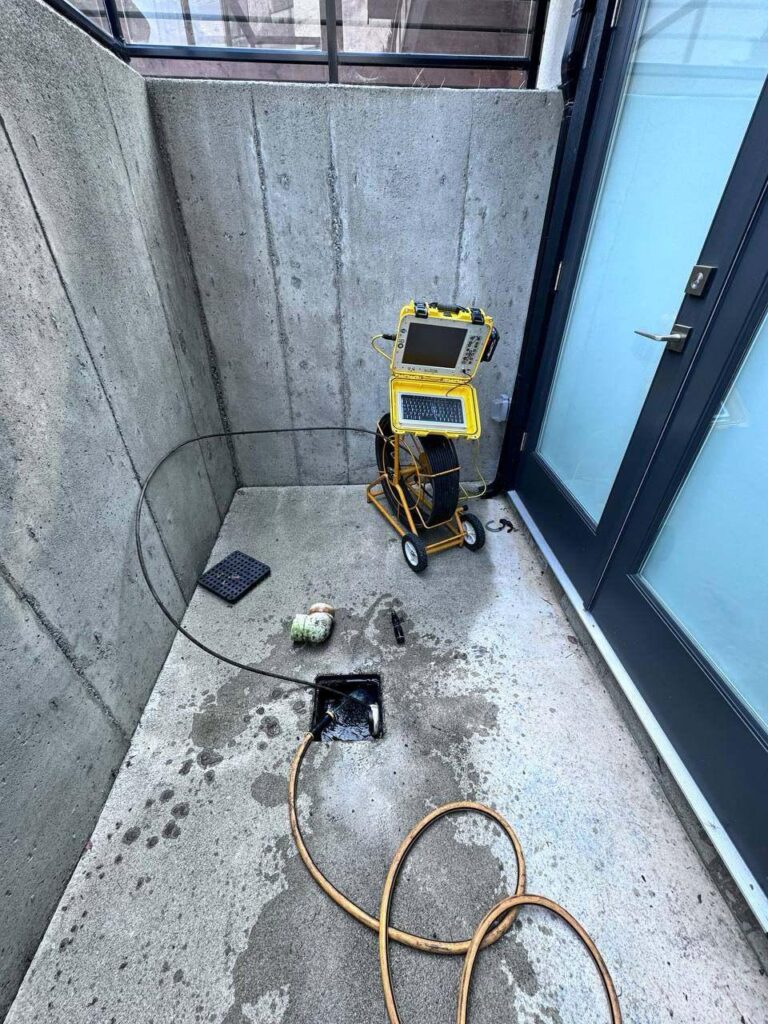
Camera inspection being set up to investigate perimeter drainage lines.
Why Drain Camera Inspections Are Essential in Vancouver
Before I share how this job unfolded, let’s step back. Vancouver homes—whether in Kerrisdale, Kitsilano, or the Tri-Cities—rely on underground drainage systems built decades ago. Many still run on older clay or concrete tiles, which are prone to cracking, shifting, or clogging.
That’s why a drain inspection camera (insert link here) is one of the most important tools we have. Unlike guessing or digging up an entire yard, we can send a high-definition camera down the line to see the exact problem: roots, collapsed tiles, debris buildup, or even improper connections from renovations years back.
Homeowners searching for a drain camera inspection near me (insert link here) often don’t realize that this step saves them thousands of dollars in unnecessary excavation.

Sewer camera inspection in progress—spotting hidden blockages deep inside the system.
Starting with Sewer Line Camera Inspection
Back at the property, I set up the sewer camera inspection equipment at the sump pit. Right away, I noticed debris buildup along the perimeter drainage. Years of pool backwash had likely left fine sediments and organic matter in the pipes, creating a choke point.
With the homeowner watching the live feed, I explained how the system worked. The perimeter drains were designed to keep groundwater and surface runoff away from the foundation. But when pool water was added to the system in large bursts, it overwhelmed the sump and pushed water back.
This was a textbook example of why regular sewer line repair or flushing is critical. Left unchecked, that backup could have easily led to basement leaks or even foundation damage.
Moving Into Hydroflushing
After diagnosing the problem with the camera, I prepared for hydroflushing (insert link here). Hydro jetting is one of the most effective ways to restore underground drainage to near-new condition. Instead of snaking a line—which can punch holes but leaves residue behind—hydroflushing scours the interior walls of the pipe with high-pressure water.
We connected our hydro jet drain cleaner (insert link here) to the sump and began clearing out the perimeter drains. Almost immediately, you could see sediment, roots, and fine sludge flushing through.
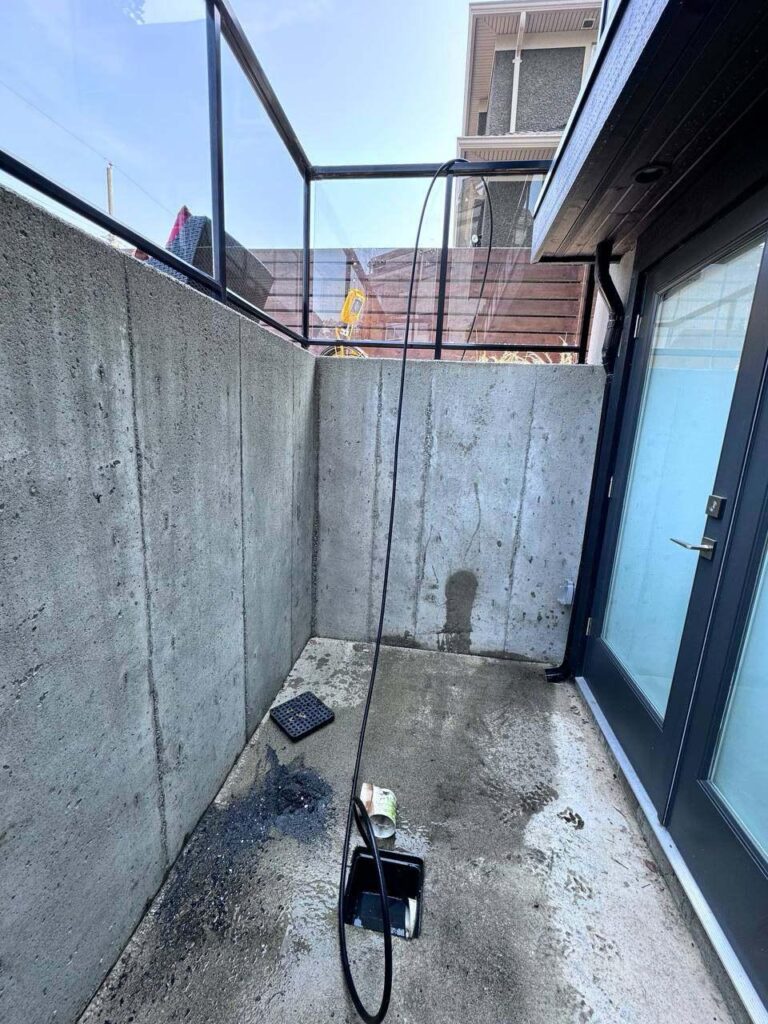
Hydro jetting pipe connected to the sump, pushing out years of sediment buildup.
After several passes, the flow was restored, and the sump pump pit no longer overflowed during pool backwash tests. The homeowner was relieved—and more importantly, the system was now prepared for Vancouver’s heavy fall rains.
Perimeter Drainage and Sump Pump Systems: Lessons Learned
This job highlighted a few key takeaways for any Vancouver homeowner:
- Perimeter drainage is your foundation’s first line of defense. If those pipes clog, water has nowhere to go but inside.
- A sump pump installation is only as reliable as the drains feeding it. When clogged, even the best pump will fail.
- For homes with pools, hot tubs, or additional landscaping water systems, drainage load increases. That’s why pairing a pump with a clean drainage system is crucial.
Homeowners often ask, how much does it cost to install a sump pump? The answer depends on property size, depth, and whether we’re dealing with new construction or retrofitting. On average, the cost to install sump pump (insert link here) in Vancouver can range from a few thousand dollars upward, depending on complexity.
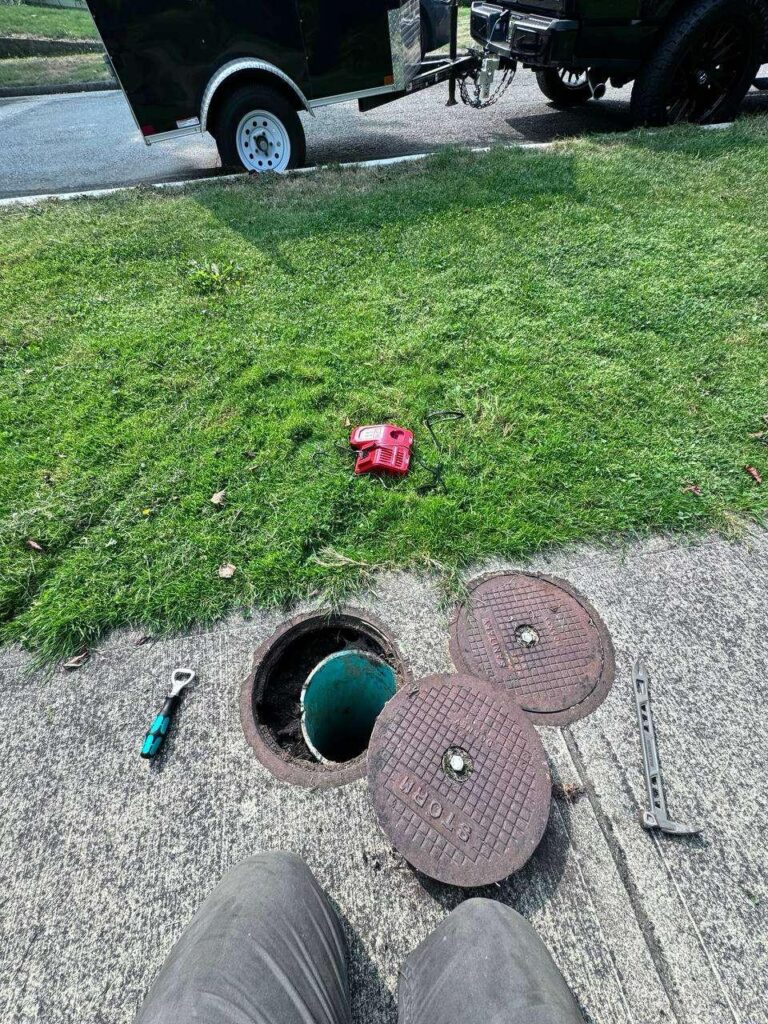
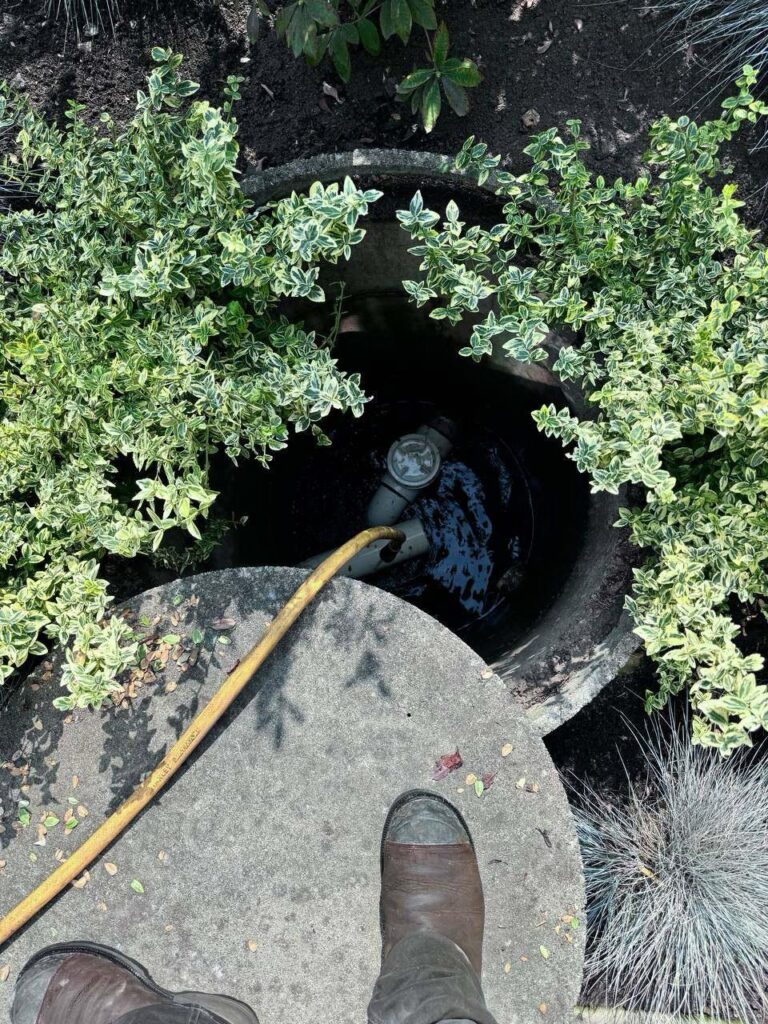
: Opened sump showing multiple drainage connections—every pipe here needs to function properly to prevent backups.
French Drain vs. Weeping Tile – What’s Best for a Basement?
During this visit, the homeowner also asked about alternatives like a French drain basement (insert link here) setup versus traditional weeping tile. It’s a good question.
- A French drain vs weeping tile comparison usually comes down to location. French drains are often installed inside basements or along landscaping to move surface water away.
- Weeping tile, on the other hand, is a buried system surrounding your foundation, intercepting groundwater before it can press against basement walls.
For Vancouver homes, we typically see more benefit from exterior weeping tile paired with sump pumps. But every property is unique, which is why inspections matter before making decisions.
Bonus Protection: In-Line Water Filtration Systems
Another solution many homeowners overlook is installing in line water filtration systems for drainage. These filters catch leaves, sand, and debris before they enter the perimeter lines. It’s a small investment that prevents big hydroflushing jobs down the line.
At Vancouver Underground Drainage Experts, we often recommend filtration especially for properties with heavy landscaping, pools, or large surface runoff areas.
FAQ – Sewer & Drainage Questions from Vancouver Homeowners
Q: How often should I get a sewer line camera inspection?
A: Every 3–5 years is a safe rule, or sooner if you’ve had backups. Regular sewer line replacement (insert link here) can be avoided if problems are caught early.
Q: What’s better: hydroflushing or snaking?
A: Hydroflushing is far more effective. Snaking may punch through blockages but leaves residue, meaning clogs return quickly. A hydro jet drain cleaner (insert link here) scrubs pipes clean.
Q: Do all homes in Vancouver need a sump pump?
A: Not all, but most properties built in low-lying areas, near the ocean, or with basements benefit from sump pump installation
Q: What’s the lifespan of perimeter drainage?
A: Clay or concrete tiles can last 30–40 years but often fail sooner with Vancouver’s heavy rains. PVC systems, when installed correctly, last much longer with maintenance.
Why Vancouver Underground Drainage Experts
Every job like this reinforces why choosing experienced drainage companies near me matters. We don’t just show up with a plunger—we bring years of local knowledge, from West Vancouver hillsides to Richmond lowlands.
At Vancouver Underground Drainage Experts, we pride ourselves on detailed sewer camera inspection, proactive maintenance, and solutions tailored to local soils and rainfall patterns. We treat every home like our own because we live here too.
This job started with a simple pool backwash complaint but revealed the importance of regular inspections, hydroflushing, and sump maintenance. For Vancouver homeowners, the cost of prevention is always less than the price of emergency repairs.
If you’re noticing backups, strange smells, or sump pump overflows, don’t wait until water is in your basement. Call us today at 1-888-quick-80 or 604-359-5022.
For seasonal tips and real job updates, connect with us on Instagram.
We proudly serve: Vancouver, North Vancouver, West Vancouver, Burnaby, Richmond, Coquitlam, Chilliwack, Sunshine Coast, Tri-Cities (Port Moody, Port Coquitlam, Coquitlam), and surrounding neighborhoods.